Dr Employer


The Coronavirus outbreak: What HR and business leaders really need to know
HR Grapevine



Models of high performance are easy to come by. In the world of sport, Usain Bolt was a famous example of an athlete – with eight Olympic gold medals to his name – who embodied what it meant to be high performing. In business, Amazon is a fairly good synonym for the concept. The firm started off as an online bookseller before coming to be valued at over $1trillion, offering web services, creating delivery robots and opening physical shops.
But high performance isn’t just a headline. Whilst the individual brand name, or individual athlete, might get all the attention – in Amazon’s case not all of it positive; consider the wide range of reports of terrible working conditions at the firm – high performance, be it organisational, sporting, or personal, is the last step or desired outcome in a long chain of events.
Behind the scenes of high performance lie strategy, targets, evaluations and goal-setting – as well as a myriad of different tasks and fine-tuning steps specific to the field, industry or person – that are set in place with high performance in mind.
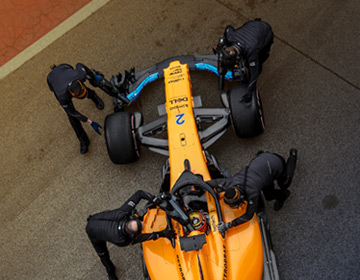
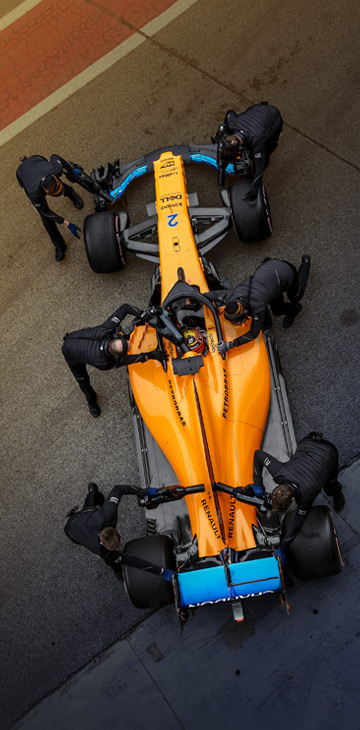
To understand how this works, as well as getting the lowdown on how HR can help orchestrate organisational high performance, HR Grapevine spoke to McLaren Racing for this issue’s cover feature interview. Daniel Gallo, Director of People & Culture at the firm, explained that with high performance a clear purpose for the firm, the business had to work backwards to ensure that both strategy and daily tasks were geared toward this goal.
There are also features on what data might mean for business performance, how technology could improve those all-important manager-employee meetings as well as an exclusive look at how HR operates at social media giant Twitter.
As ever, enjoy.