UK
UK  United States
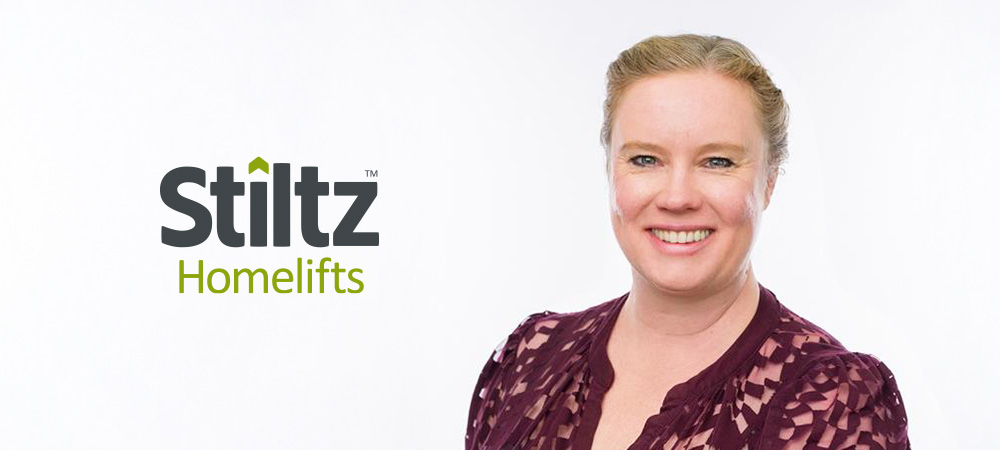
As soon as Stiltz – the accessible living company, founded by Australian duo, Lachlan Faulkner and Cameron Gillespie – first arrived here in the UK just over a decade ago, you could say it’s only ever reached greater and greater heights.
The company, which makes and installs domestic lifts, and was a winner of a prestigious Queen’s Award for Enterprise in 2020 (with one of its lifts even installed at the Balmoral Estate in the final year of Queen Elizabeth II’s life), is one of those rare British manufacturing success stories.
Recipient of a Lloyds Bank Business Award for Export and a position on the SME Export Track Listing, the company – which makes everything from single-person in-home lifts, to those capable of carrying wheelchairs, or three people – has been a quietly operating success story. It’s one that now sees it export to more than 50 countries worldwide, with the US a particular growing market. Under CEO and chairman Mike Lord, Stiltz is aiming to nearly double in size by 2030 (from $100 to $180 million a year) – which when you consider that 10,000 Baby Boomers retire every day in the US, and one in six Americans are now over the age of 65, it is no wild ambition. Here in the UK, those aged over 80 are the fastest-growing age group – which is still 25% of Stiltz’s business – and with Britons aged 65-79 expected to grow by a third in the next 40 year, this is one organisation not likely to see any slowdown in sales yet.
I can’t say there was inherently anything ‘broken’ about the company. But there were plenty of things I though we could be doing better
But like many organisations riding the crest of a wave, Stiltz is also that classic example of a company that’s also needed to navigate a very different sort of journey – the transition from being a small, nimble, entrepreneurial business, to one that some might like to call a ‘proper’ business – that is, one with processes, systems, and yes, that also means more visible HR.
And, with much of the expected financial growth anticipated to come from efficiencies and better productivity, and keeping the UK headcount stable at around the 220 mark, since 2023, the job of taking Stiltz through its adolescence has been Group People Director, Tara Lochery.
Things we could do better
“When I first arrived, I can’t say there was inherently anything ‘broken’ about the company,” she recalls. “But there were plenty of things I though we could be doing better – especially when it comes to things like our culture; including our managers being more professional.”
Formerly an HR project manager at Brunelcare – a Bristol-based charity providing high-quality housing, care and support for later living in the South West – the fit Stiltz offers this particular HR professional, is plain to see, and focusing on the needs of her management population has been a key task for her.
She says: “Like many fast-growing organisations, people are often put into management without much training and support, and so a big piece of work we’re doing now is rolling out a year-long programme, bespoke to us, and which we’ll replicate in the US, to focus on managers managing performance more.”
She adds: “Management effectiveness was one of the first things I spoke to Mike about, even before I joined – and he agreed,” she says. “We want our managers to get to know their teams more, because we feel that when people know each other better, they share more, have better relationships, and productivity and engagement follow.”