UK
UK  United States
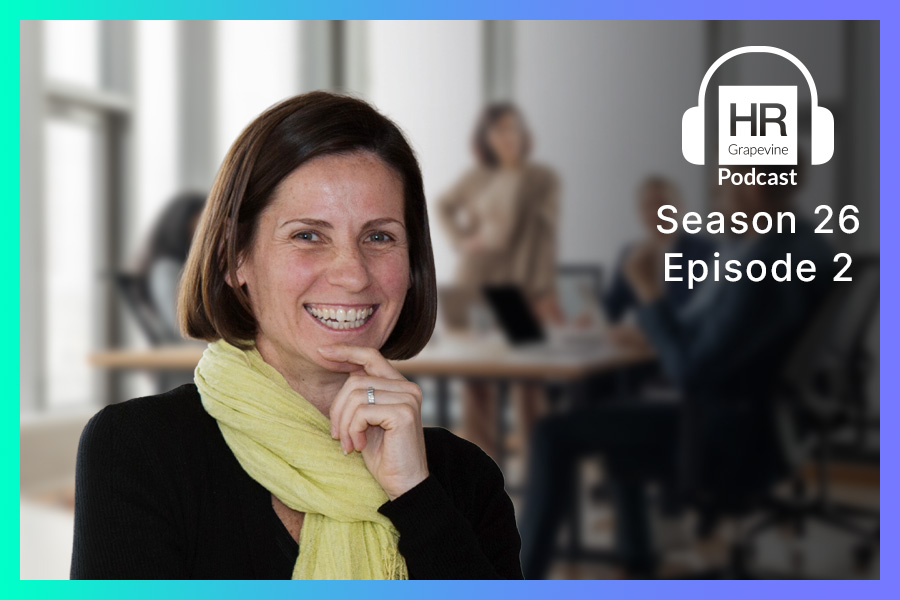
Rebecca Percy, Diversity and Inclusion Lead, E.ON UK has spent years building the approach to diversity and inclusion around three things: data, colleague insight and co-creation. Here she explains what that looks like in practice, from menopause support to parental leave.
What prompted E.ON's DEI strategy and how does it link to business goals?
Our purpose is to lead the transition to a cleaner, fairer and more affordable energy system - one that is inclusive by design and works for all households, communities and businesses.
Today, we run two menopause cafés every month, typically attended by between 25 and 40 colleagues, and we've continued to evolve our support based on colleague feedback
Inclusion is integral to this transition and we're working hard so no-one is left behind. We can only do this if we have an inclusive culture and our diversity, backgrounds and life experiences reflect those of our customers, so we understand their needs and can deliver solutions and products that work for them and their lives.
Can you describe one practice that you'd describe as best practice and how was it rolled out?

Rebecca Percy
Diversity and Inclusion Lead, E.ON UK
I'd point to our approach of combining data, colleague insight and co-creation to drive and embed meaningful change. Our menopause support is a good example of that approach in practice. We became one of the UK's first menopause-friendly employers in 2017, but quickly learned that policy alone doesn't change people's experiences. What stands out is not a single initiative or headline announcement, but the consistency of effort over nearly a decade. We recognised that lasting change would require sustained commitment, ongoing engagement and continuous improvement.
Today, we run two menopause cafés every month, typically attended by between 25 and 40 colleagues, and we've continued to evolve our support based on colleague feedback.