UK
UK  United States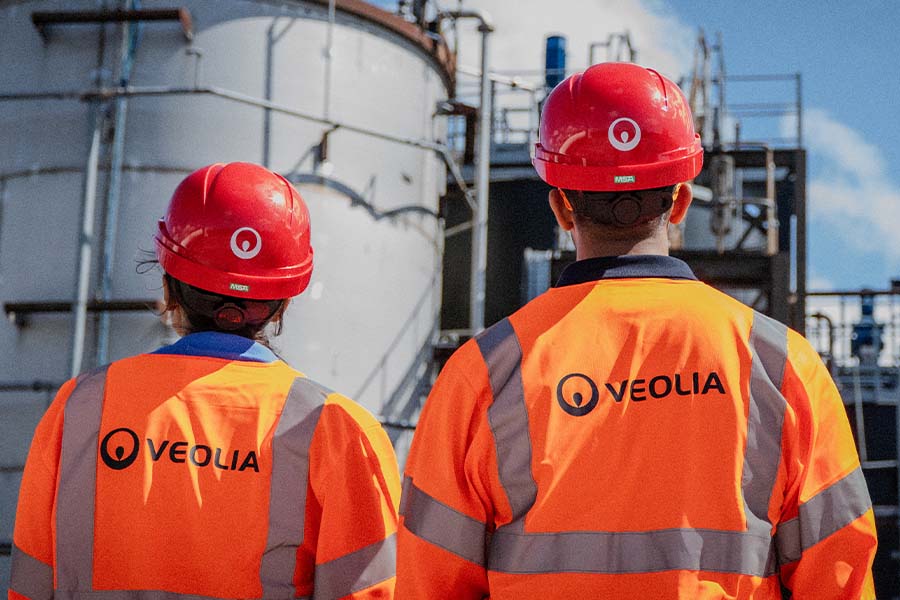
Achieving high job satisfaction across a workforce of 14,000 - spanning engineers, drivers and site operatives to head office staff is no small feat. Yet Veolia UK, the resource and environmental management giant which was named as a best place to work by the Sunday Times for a fourth year in a row, has hit 80% satisfaction scores and seen its inclusion engagement score climb to 85% over five years. Beth Whittaker, the company's Chief Human Resources Officer, explains how purpose, empowerment and a genuine commitment to belonging have helped build that culture.
With 14,000 workers, how do you achieve 80% job satisfaction?

Beth Whittaker
Chief Human Resources Officer, Veolia UK
I’ve always felt the most job satisfaction when I can connect what I do day-to-day with a wider purpose and impact. I think that’s one of the reasons we have such high engagement scores, because we’ve set out to ensure every colleague can see how their work directly contributes to Veolia’s purpose of ecological transformation and creating environmental security for generations to come.
Our energy engineers, for example, work on one of our district heating networks; they can see that their work has a positive environmental impact in helping to decarbonise a city on a large-scale, while also delivering low-cost energy bills for residents. Our colleagues rightly have pride in what they do because their work truly matters and they are part of something that is making a real difference.
How do you empower colleagues?
Empowerment sits at the centre of our HR strategy, specifically within our 'Unleash' workstream. This is about freeing up colleagues' capacity and empowering them to focus on what truly matters in their roles and in their teams.
Last summer, we launched a simplification survey asking our colleagues: what are your biggest pain points? Hundreds of responses helped us understand where we needed to focus our efforts. The work in this space is continuous, but we're already seeing impact - removing unnecessary escalation points, sign-offs and approvals for example has empowered colleagues to make decisions that they are best placed to make and allowed us, as a company, to move quicker.
Empowerment sits at the centre of our HR strategy, specifically within our 'Unleash' workstream. This is about freeing up colleagues' capacity and empowering them to focus on what truly matters in their roles and in their teams
We’re constantly challenging ourselves as a HR team too. Yes, we have processes that are necessary, but as soon as we've improved one, we go back around and ask what else we could slim down or remove. Our hire and onboarding processes are brilliant examples - three reviews over four years have saved 6,475 operational hours for our HR team, managers and colleagues every year.