UK
UK  United States
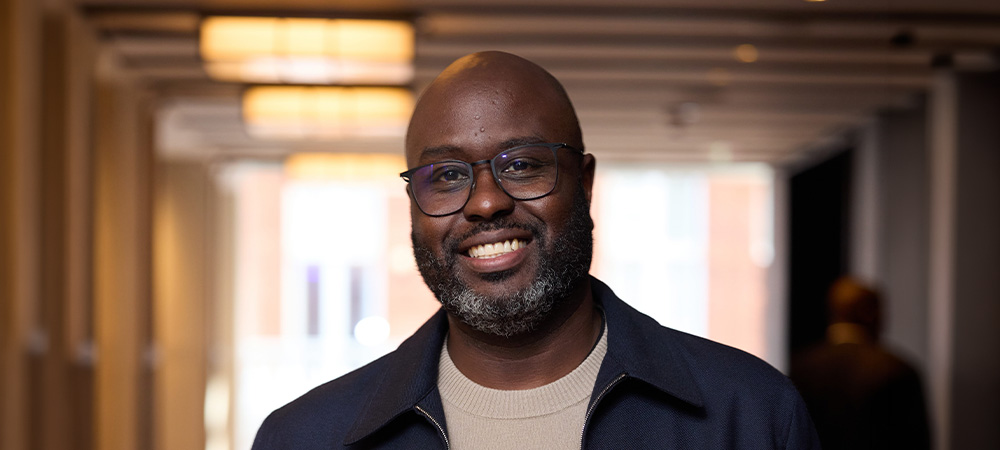
By his own admission, of the 25 years Geoffrey Williams says he’s worked in HR, 15 of them have been spent in DE&I. But ask him to consider this most recent block of time, and about the value, purpose and benefit of pursuing diversity and inclusion – and he also admits it’s a tough question to answer.
“As HR [professionals] DEI is something we’ve struggled with, and still continue to struggle to get our head around,” he admits. Considering Williams was the former global vice president of colleague attraction and inclusion at fashion brand Burberry (and now head of culture and sustainability at Howlett Brown) you’d be forgiven for thinking this is an odd thing to say. But this is a man who is not backwards about his explaining his views.
“When DEI first came about, it was there to help businesses focus in and attract top talent,” he says. “By 2020 though, its mandate had died.” He adds: “It somehow turned into anti-racism, anti-sexism anti lots of other things. It evolved, but it evolved into something else, and became a nebulous idea not always rooted in business outcomes. Businesses were saying yes to things they didn’t need to say yes to, instead of taking a step back.”
We went to the extreme. DEI was about kicking down doors....now the problem is how we bring DEI back into the experiences of people and staff.
Simplistically, Williams’ solution is not to stop DEI nor to dislike or deride it (as many critics now do), but simply to realise that the evolution DEI took went off in a unwanted direction, and so it simply has to evolve once more into something everyone feels comfortable getting their heads around again.
“What I think DEI needs to do is take stock, and reposition itself as more of a business systems activity,” he explains. “Currently, DEI is an off-shoot, fragmented, and not connected. He adds: “When organisations treat wellbeing, DEI and leadership development as separate agendas, they undermine their own ability to retain high performers and innovators.” He continues: “I see this fragmentation repeatedly in organisations, and its impact eventually shows up in the metrics that matter, including performance and, ultimately, share price.”
Williams says those who work in DEI need to determine if they “are a going concern in their organisation’s culture,” and if not, “take the steps that are needed.” Explaining this, he argues things just have to be dialed back a bit.
“We went to the extreme,” he says. “It was about kicking down doors. It helped because at the time, everyone was interested in DEI because of movements like Black Lives Matter. But since then, the interest in DEI has been both a blessing and a curse, because now the problem is how we bring DEI back into the experiences of people and staff.”
Williams advocates what he calls taking a “systems approach” – where he says HR needs to look at people from three objectives – culture, sustainability and inclusion. He says: “The evolution DEI needs to go on is to move to the ‘I’ of DEI, and how it relates to business health, business culture. He says: “It’s about listening and supporting everyone, but also listening to the outliers.”