UK
 United States
Mobile game developer King was recently honored with the Global Diversity Initiative of the Year at the British Diversity Awards 2026.
The prize came for Equity Engine initiative – a suite of AI-powered tools that aim to redefine what inclusion looks like in gaming – and is just one example of an organisation showcasing what it means to have an best-in-class approach to diversity, equity, and inclusion.
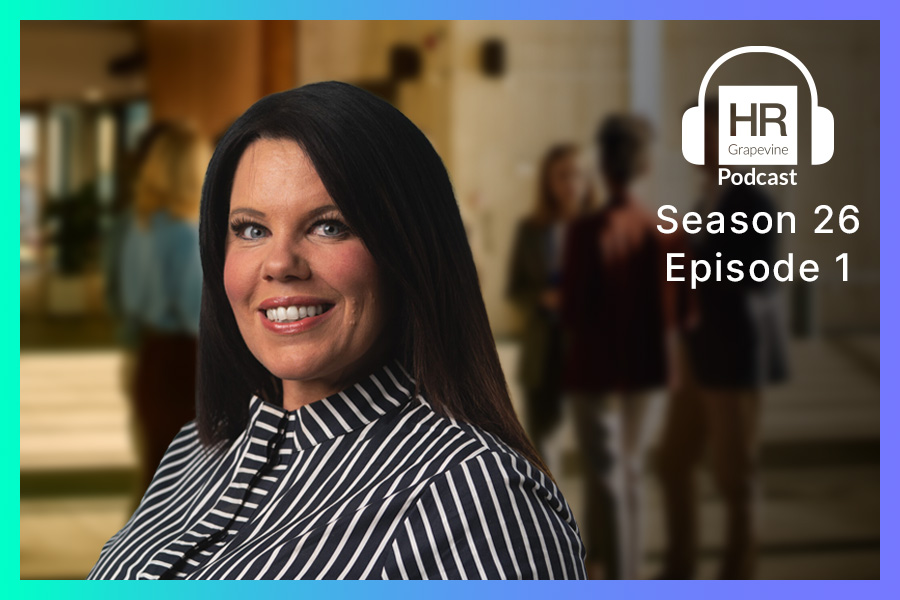
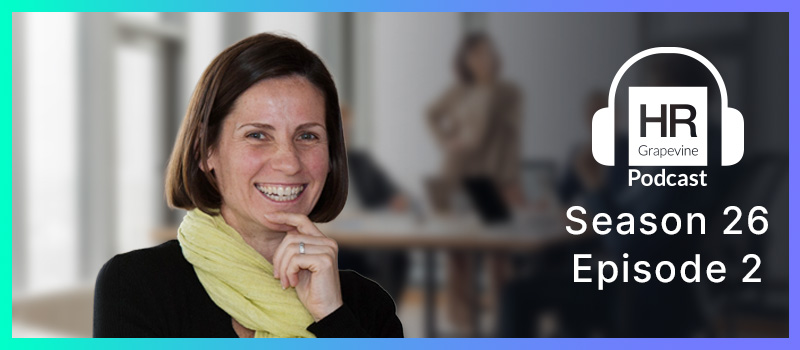
Vikki Leach, Senior Director for Diversity, Equity and Inclusion at mobile game developer King, joins the HR Grapevine Podcast to reveal how the mobile game developer embeds inclusion throughout processes and workflows.
Leach outlines the best practices in place at King, and shares how creating an inclusive culture has translated into stronger teams who built better games.
Host: Hello, everyone, and welcome back to another episode of the HR Grapevine Podcast. I'm your host, Benjamin Broomfield, head of content here at HR Grapevine. And today my guest is Vikki Leech, senior director for diversity, equity and inclusion at mobile game developer King. Vikki is a senior leader with over fifteen years experience in global organizations, a certified professional coach with an MSc in Behavioral Change and author of the Ft Guide to Inclusion and Diversity. She has extensive experience leading organizations and engaging business leaders to build a culturally sensitive and inclusive culture and delivering cross-country change programs in inclusion and behavioral change. And King was recently named as Global Diversity Initiative of the year at the British Diversity Awards 2026 for its Equity Engine Initiative, a suite of AI powered tools that aim to redefine what inclusion looks like in gaming. Today we're going to be discussing the initiative in depth and King's approach to DEI, including how it embeds inclusion throughout organizational processes. So a lot to dive into over the episode. I'm really looking forward to this one. But first and foremost, Vikki, a very warm welcome to the podcast and thank you for joining us.
Guest: Hi, Benjamin. It's good to be here. Looking forward to it.
Host: Lovely. Well, I think I'm gonna start with hopefully a question that has a fairly obvious answer, but it's always great to get your perspective on it from your side, from King's perspective, is cultivating a diverse and inclusive culture so essential, especially when it comes to driving creativity?
Guest: Yeah. I mean, let's stat with King. King has a diverse player base with two hundred million people all around the world playing our games. So that's why how we work is just as important as to what we build, right? So the way we treat each other, make decisions, learn from the challenges, develop our people, thart it's all foundational to our culture. And these actions shape the experience of every Kingster we call our employees Kingsters. And ultimately, that's the experience of our players. And so to create games that resonate with such a broad audience, we need teams that bring different perspectives, experiences, cultures, and of course, styles of thinking. So, and especially in games, creativity really depends on people feeling confident to be able to share ideas, challenge assumptions, and bring different viewpoints to the table. And what I can say, like diversity brings those perspectives in, right? And inclusion ensures that everyone feels heard and valued. So ultimately this translates into better ideas and that's more relevant for our player experiences. So last thing I'll say here is for King, inclusion is both a workplace culture priority and it's a business priority because it helps build stronger teams and stronger games that obviously connect with our players all over the globe.
Host: Fantastic. Well, we're definitely going to be diving into the diversity and inclusion side of it in a bit more detail, the way that that comes to life within your organization. But I just wanted to, to pull back to, to your point there around how important it is to fundamental, it is to King's operations with that wide customer base that you have for those sort of users of the games that you build. So perhaps you could maybe share a bit more about what King's mission is and how you bring that to life as a global employer.
Guest: Yeah. King's mission is making the world playful, and I love that. For our players, this really means creating exciting experiences within our games that really delight the players. That could be from new levels to competitions, events, rewards, whatever it is. And internally we've created amazing office spaces which are colourful and characterful. That really is in line with making the world playful, and there's open spaces for people to collaborate. And there's also cozy areas when people need to focus. We have gaming zones as well, where people take a break and they can be playful, whether it's a pool table or music room. And we really believe that a successful, successful culture here is rooted in our strong values, and it creates an environment where everyone can really be themselves. And, and we really want people to be proud of the work they do, the time they spend together and feel that they can learn, thrive and progress within the business. I also just want to shout out our four employee networks that we have at King that. So these networks, they bring people together from similar backgrounds and experiences and. And what they do is they create safe and inspiring spaces. So we have our collective abilities network that focus on accessibility and disability. We have kaleidoscope, our multicultural network, Women at King and the Royal Unicorns for LGBTQ+ community and the networks they hold events at key moments like International Women's Day or pride this month. And, um, and also outside of that, they get together to celebrate and acknowledge other key topics and moments that really help the kingdom, as we call King, the kingdom, um, thrive
Host: Wonderful, well. Yeah. Really lovely to, to hear not just about that, that mission, but some of the amazing ways that it's coming to live within the organization and especially that, that office design as well. I've not seen any photos, but I think I'm going to have to follow up on that. Ask for some just to, to see what you guys have been building now. But that's wonderful. It would be great as well then to talk about, I suppose, how you believe employers like King can go about attracting, supporting and retaining underrepresented talent as well. Because I think that that's it's an issue not just within the gaming industry, but obviously a lot of different industries have that problem as well. So what's the responsibility there? And how can employers like King go about doing that right the way through from. Yeah, not just that sort of attraction, but also that real focus on support and retention as well to, to offer those meaningful careers.
Guest: Yeah, it's a great question, Benjamin. You know, talent is everywhere. But you know what? Access to opportunity isn't. So to find all different types of talent, what we do under our social impact strategy, we work with not for profit charities or partners across all of our office locations in Spain, the UK, Germany, Sweden. And so through these partnerships, we look to engage and reach young people whose backgrounds or life experiences may have found it harder to access opportunities into tech or gaming. And what we do is we connect these young people with our Kingsters. They visit our offices, they take part in competitions like hackathons, where they can have a go at creating games. But what's really important about this is it's instilling confidence in them. It's showing these young people the potential career opportunities available to them. We also offer mentoring to these young people. So what we do is we match them with a kingsta, and they embark on a learning journey to better understand what and how they can find opportunities. And it's not just about offering advice, but it's about opening up access and providing advocacy and sponsorship as well. And, and actually the Kingsters, the mentors, they also learn a great deal from the mentees. The knowledge and values exchange actually goes both ways. I just want to finish on an example that I myself, I'm a mentor to a young woman from Ada College. This is the national digital skills for young people in London, and I support her when I meet her in, say, building her CV in communication skills and navigating what she wants to do after her studies. But of course me. I also learn what really young people actually think about gaming, what AI looks like to them, and basically life in general. So it's really insightful for me as well.
Host: Fantastic. We've spoken obviously a bit about some of these broader approaches to take and especially that work I think, that you're doing to drive those meaningful career paths within the organisation is hugely impactful. But I mentioned at the start of the episode that we're also here to discuss King's equity engine and what a fantastic project that has been an award winning initiative. So I'm really looking forward to diving into that. Maybe you can take us through again, sort of, in your own words, what the equity engine is and how it embeds inclusion into the product development process, which again, can just be so fundamental for, for yourselves as an organisation.
Guest: Yeah, it is. And let me just start with how excited we were to win the Global Diversity Initiative of the year award at the British Diversity Awards 2026. And as you say, the initiative we designed was called the equity Engine. And what this was a suite, if you like, of AI tools designed to help our teams embed inclusion into their everyday. I want to start with Anya. Anya is a little bird and we call her. She is the inclusive language assistant. So what she is. She's designed to promote inclusive language across all forms of communication. Aenea provides feedback on scripts, documentation, code, presentations, and not only does she offer constructive suggestions, but she also serves as an educational tool for anyone who's looking to deepen their sort of understanding, if you like, of inclusivity and accessibility. Let me just give you a quick example of Anya. So when designing and building our games, we ensure that our language is neutral and inclusive to include all of our players, not just a few. And Ilya helps us be sure that the language we use won't offend any player from all around the world. Our second one is Neuro. Neuro supports neuro inclusion or neurodiversity, and helps kids to better understand what neurodiversity is, and it really gives managers practical guidance on how to communicate with empathy, maybe build trust and support different needs in the workplace. And what this has done is led to greater understanding of the diverse ways in which people experience and interact with the world. And actually, a significant percentage of game developers identify as neurodivergent, bringing unique perspectives and strengths to the industry. And so let me give you an example. The team used neuro to shape a new special offer that they were going to release on one of our games, Pet Rescue Saga, and it helped identify early risks around readability, screen reader clarity. And all of this is making it easier for a wider range of players to understand and use. We have Bars. Let me. Sorry. There's Bars. So Bars is an inclusive game design assistant helping teams review features, cultural references and accessibility considerations as well. And all of these AI tools really help make the kingdom a more inclusive, more respectable and accessible. So for our players all globally. And so these AI tools are they move inclusion beyond standalone training and into the flow of work where decisions are actually being made.
Host: Wonderful, I think that's, that's the real trick for, for employers at the minute, isn't it? And where people are spending a lot of their time trying to focus on, you know, we've had maybe this understanding of DEI as a sort of a program before that, you know, is delivering, in theory, some great work, but in practice isn't translating into how people are working day to day. So to be able to embed that, not just in, obviously the, some of the product development processes that we've said, but more broadly within all of those decisions, all of that work. And perhaps there's a bit more that you'd like to, to dive into as well, in terms of the equity engine and some of the other features that you're keen to dive into too. I know it's, yeah, there's a lot of work that's gone into this.
Guest: So yeah, um, as I said, winning the global diversity initiative of the year, it really recognises our work to embed inclusion through practical tools and workflows, rather than treating diversity and inclusion as a standalone initiative. It just can't work as a standalone initiative. And, you know, internally, the equity engine helps teams apply that inclusive thinking at the point where decisions are being made, whether it's from communications to management. And of course, our game design, it makes inclusion more practical, I think, more tangible, scalable and consistent as well. Across our business, we gathered some qualitative data actually. So let me give you an example on INYA, the inclusive language tool Ninety percent agreed that the tool had improved their content awareness and eighty percent accepted the inclusive language suggestions. And that really helps us know this is working. It's scaling and making the kingdom more inclusive, not just for our people, but for our players.
Host: Excellent. Well, lovely to hear about a couple of the impacts there. And that's, I think another area that I'm always keen to, to dive into is sort of, I suppose, the results that this has achieved. You mentioned obviously that, you know, the awards with is, is great and it's a wonderful feeling. It's not necessarily about the awards, but it does it does represent that external validation. You know, that this is something that is industry that is a really phenomenal program. But yeah, is that sort of something where you're really looking at those measurable results and sort of trying to determine the impact of rolling out some of these tools of the approach more broadly, because I can imagine obviously when, um, when it's something so comprehensive embedded in all of these different areas, there's a lot of different ways to look at that impact and how it's felt in the organization.
Guest: Yeah, there really are. And I gave you the example of just the qualitative data. You know, we do measure the success of our AI tools and making sure that, you know, it is integrated into the flow of our work. And as I said, just at those decision points that are being made, it's critical that we make those decisions with a diverse perspective and also in an inclusive manner as well.
Host: Fantastic. I'd love to get your advice as well for our listeners, in terms of really diving a bit more sort of into, into that career support as well. It's something we touched on earlier. Obviously, part of it is, you know, creating an environment that attracts people from different backgrounds with different experiences into the organization. It's obviously another thing to be able to retain them, to offer them meaningful career growth and development. And again, I know there's a lot that you sort of invest in, in some of the partnerships that you mentioned and the mentorship, coaching and learning programs that you have in place as well. So is there anything, again, that you feel has been particularly impactful there that you would yeah, that you would like to, to call out or perhaps sort of recommend as really great steps.
Guest: Yeah. Let me go back to the social impact work, because this is about partnering with not for profits and investing in those underrepresented communities where we operate as a company. And it is about empowering the next generation of talent. So let me give you a few examples here in the UK. We're a founding member of Ada College in London. Uh, we've been working with them for ten years and it's a not for profit focusing on education and empowering diverse digital talent. And just last year, we had employees spend around two hundred volunteering hours supporting the students. And I'll give you a I'll give you an example of one student who came from four generations of unemployment in the household. There was no conversation about employment opportunity. And this young person came into Ada College and ultimately came into the King office. We matched them with a mentor. This student was so emotional. They were realizing that this was so life changing. For them just to have this access to opportunity that they've never experienced or understood before. And this is the whole point of why we're doing it. We have to find different styles of thinking from all, all walks of life. I want to just talk about Sweden. We had a scholarship program in Sweden, uh, running for six months, and it was for women and non-binary people to enter the games industry. So they, they took part in a program that included education, again, mentoring from Kingsters, undertaking master classes, and really gained access to major industry events. So again, it's about access to opportunity. Germany. We partnered with Redi School, a not for profit tech school, and they're for people with migrant and refugee backgrounds. What we did was we offered free IT and tech courses, funding a one year digital career program as well as, again, mentoring. We value mentoring. And I'll just share a quick short quote for you. So this is from one of our students. “Yesterday I had the warmest welcome at the King office, a fantastic experience that went beyond delicious food, gifts, and a comfortable, modern office. What truly stood out was the incredible Kingsters. I met dozens of people in recent months who have openly and so sincerely shared their journey into the industry”. So these are examples of how we help young people build skills in maybe entrepreneur entrepreneurship, work readiness. We also partner with junior achievement across Europe. So we're, you know, we run anything from hackathon competitions, giving them a chance to make games and have the career talks. And of course, as I said, the, the mentoring after all of this, what we also do is offer work experience for students to come into the offices and gain insight and spend time with Kingsters in our office as well.
Host: Amazing. Well, I think for anyone listening, it's really that ability as an organization to take some of these standalone programs or initiatives, but then turn them into a culture within the organization. And I think what's really coming through is, is that culture of mentorship. You know, I think there's, there's going to be plenty of people out there who have, you know, maybe a mentorship scheme, which again, does some great work, but is perhaps just isolated to that scheme. Whereas I think what comes across in that wonderful feedback that you just shared and everything you've been speaking about, is that mentorship is something that every Kingsters is brought into. You know, you don't just have to be a sort of a part of a program to do it. Everyone is there to, to give their time to help people learn within the industry. And that's been wonderful to hear about. I'd love to sort of bring it back full circle. Obviously, we started at the top of the episode talking about the mission. So how do some of those approaches, you know, spoke about dementia, the programs in place, how do you how do they help King at an organizational level to create those outstanding games and experiences, and to really build that future talent pipeline that you're going to need as an organization to continue doing so for years to come.
Guest: Yeah. I mean, look, Benjamin, we know we need so many different styles of things to keep that creativity and innovation. And we know that a strong culture really depends on that. All those different styles of thinking experiences and backgrounds. So we have to really go into diverse talent pools because we don't want to build teams who think or work or create in similar ways. So by nurturing inclusivity, it means our teams are able to collaborate and understand each other and also challenge each other on their assumptions and bring these different perspectives into their creative work. And this really matters because when we're designing games for a diverse global player base, they are from different cultures, needs and experiences as well. And again, let me just share examples. We've done a lot of work around improving accessibility in our games, allowing players to disable screen shaking, for example, which can be disorientating for some. We allow people to switch the boards colour to help people who experience colorblindness. There's so many interventions of how we really make our games more accessible and more inclusive from a future talent perspective. Our focus has been on working with these social impact partners that I shared to really understand what careers in gaming and tech can look like, and hopefully the aim is to inspire these young people in the future to join the gaming sector.
Host: Wonderful. Well, we're just about out of time. So perhaps there's one final question just to, to leave people with maybe if you had one sort of parting piece of advice. Obviously, a huge amount of work that's gone in over years to really go beyond these traditional DEI programs, mentorship programs and embed inclusion and mentorship within the DNA and within the fabric of the organization. I know we've made it sound perhaps simple over the over the last twenty five minutes. It really isn't. There's a lot of hard work that's gone in there. So any parting advice that you would share for our listeners on being able to do that and really moving from these isolated programs to that deeper culture?
Guest: Yeah. And thank you. And as I state in my book, the EFT Guide to Inclusion and Diversity, you know, business case is clear for a business to grow and create a sustainable future, it needs a diverse group of people working in an inclusive environment. And for these people to feel that they can contribute and be included, regardless of their background. This requires inclusive behavior. And, and I refer to in my book, The "B” behavior before the “I” inclusion before the "D” diversity, because we need to start with our own behaviors, look at ourselves on how we behave. So then we can really understand how inclusive we're prepared to be, right. Um, and only then we can embrace diversity as individuals. So I say my closing point is, you know, real impact happens when it's built into how people communicate inclusively, lead inclusively, recruit inclusively and design products and make decisions inclusively. And this is down to our behavior. And that's what's so great about the AI tools that we developed. They get people to stop and think about those moments where and how decisions are being made.
Host: Fantastic. Well, I think that's a lovely place to wrap up the episode. Vikki, thank you so much again for taking the time to, to take us through this. Congratulations again on the award winning testament to all of the wonderful work that we've been speaking through today. I'm really looking forward to, to hearing more about how you continue this mission. It really is fantastic work. So thank you for taking the time to join us on the HR grapevine podcast. It's been an absolute pleasure.
Guest: Thank you very much.