UK
UK  United States
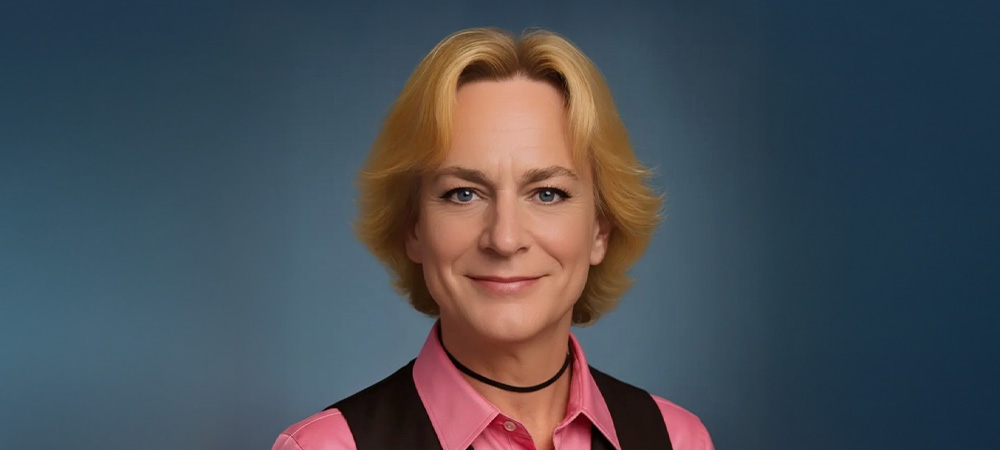
In December 2024, HR and wellbeing director Rachael Haynes took a decision that would – quite literally – mark the beginning of a new chapter of her life.
Physically moving out (which brought a loving and supportive 15-year marriage to a close, but was something both parties recognised needed to happen) was just the first step.
But it was what followed next that was most important. For until that point, Rachael was actually ‘Stephen’ – a biological man. Starting out fresh, in a new home, was not merely the start of a new chapter personally, but also the start of a new identity, to live life as she felt she needed to – as a woman.
“It was only after I moved out that I started living life 100% as Rachael,” says Haynes. “Throughout this transition my family and friends were compassionate and supportive, even as everyone adjusted to change. She commented: “I have a teenage son, and while our relationship has always been strong, this transition has also meant navigating this with even greater openness and honesty.”
But it was late last year that she also took another symbolic step in what she calls her “transgender experience journey” – by officially updating her professional name to her new female identity, with all the pronoun changes involved too.
A new person at work
After a year-long period of reflection and – as she puts it, “trying to understand myself more clearly” – the change of work email was perhaps the smallest actual change, but was arguably the one that was most emblematic, and carried with it the final seal of permanence.
“Weirdly, it was as I was becoming more comfortable living my own personal, authentic life, that it was in the work context that I started to feel like I was leading a very different life,” she says, speaking exclusively to HR Grapevine.
“Even though none of the people I interacted with at work were anything other than supportive of my journey, I felt that I was Rachael at night and someone different by day. The email change was the last symbolic thing, I guess.”
I was aware colleagues were getting emails from my dead-name, but I was signing off as Rachael
Rachael is talking to HR Grapevine not because she says she wants to be put on a pedestal, nor because she wants to elicit responses about how ‘brave’ she has been. Rather, it’s because she says she ‘is’ aware that, amongst the HR community particularly, she stands alone. Moreover, it is in HR that debate about gender identity (and how employers respond to it) has been re-ignited, not least by the recent UK Supreme Court ruling that, for the purposes of the Equality Act, interprets the terms ‘sex,’ ‘man’ and ‘woman’ in terms of biological sex. It’s a legal interpretation that has prompted debate about how gender identity is reflected in employment law and inclusion practice.
She does not, she asserts, want to stray into those matters directly, nor about “what toilet I use,” but rather is keen to tell her story, from an HR practitioner’s point of view, about the complex topic of gender identity – something she says HR practitioners will arguably have to face amongst their own employee base at some point or other.
“It’s a nuanced and often misunderstood subject, isn’t it?” she says, as she settles herself into this interview. That’s probably quite an understatement!
My ‘new self’
“It was October time last year that I thought I’d better put some sort of plan in place to properly present my new self,” she says. “I first took some advice from a colleague, because I was aware people were getting emails from my dead-name, but I was signing off as Rachael. I started my gender change with my line manager first, then the head of HR, and then kind of built it out from there.” She adds: “I think that if work hadn’t been so accepting, I might have changed my mind about doing the full email-change, but I’ve been so fortunate really.”
Haynes describes herself as a trans woman, distinguishing this from being a cisgender woman and acknowledging the difference between biological sex and gender identity. She describes her transition as an alignment between identity and lived experience. “There’s a range of perspectives within the trans community,” she says. “I don’t speak for everyone - I can only speak for myself – and I believe mutual respect matters.”
She adds: “It’s a complex topic, and people approach it with very different levels of understanding. I’m not here to persuade anyone of anything, and I certainly don’t claim to have all the answers, but I’m always willing to share my journey if it helps build greater understanding and comfort. I’ve been incredibly fortunate – both in the workplace and among my clients – to feel supported in living authentically.”
She continues: “But I know this isn’t everyone’s experience, and there are still trans individuals who don’t feel able to be open at work. What people sometimes forget is that re-presenting at work is a monumental decision. In HR, we talk a great deal about psychological safety. For me, that means creating environments where people feel able to be themselves without fear, and where colleagues can ask respectful questions, learn, and grow together. That’s what makes inclusion sustainable rather than symbolic.”