UK
UK  United States
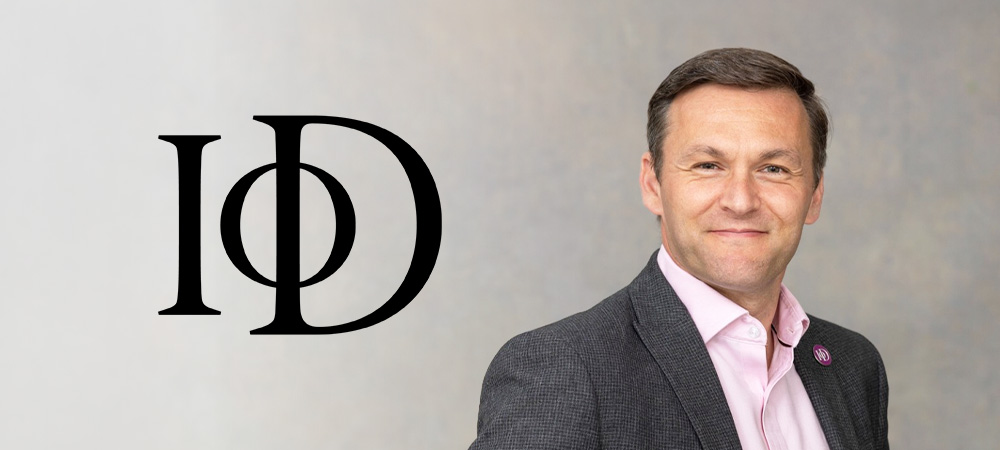
In 2023, when Fox William LLP presented the results of its investigation into allegations of sexual misconduct that had engulfed the upper echelons of the Confederation of British Industry (CBI), James White, head of people and culture at fellow British membership organisation, the 122-year old Institute of Directors (IoD), admits he instantly began to “pour over” the document.
“The whole CBI furore [which saw the dismissal of director general, Tony Danker and a groveling admission that the CBI had “failed to filter out culturally toxic people during the hiring process, and that its “systems of culture management, harm prevention and eradication were insufficient”] really hit home,” he says. “I spent weeks going through it, just to make sure we had all the correct processes in place. As the UK’s longest-running organisation for professional leaders, we have to be the bastion of good business practice. If the IoD is to represent business well, we can’t be seen to do wrong ourselves. This is a great, but very obvious, additional responsibility that being responsible for HR at the IoD involves.”
Having barely stepped into his ‘head-of’ role when the Fox William Report came out, White’s initial urgency is perhaps understandable After all, up to that point, he was formerly the IoD’s part-time culture lead and business partner. But while he needn’t have worried [he says he soon found out that while the CBI had no whistleblowing policy, the IoD had had one for the last ten years], it’s this need for the Institute to be seen to be whiter than white; to be the best advert for business, and take a culture-first approach that is clearly a mission that runs deep. As White reiterates: “We have to represent business well,” he says. “This mission statement should, and rightly, keep us to high standards.”
As the UK’s longest-running organisation for professional leaders, we have to be the bastion of good business practice. If the IoD is to represent business well, we can’t be seen to do wrong ourselves
For many of its members, the first experience they might have experienced of high standards is dining, meeting or drinking in its opulent Grade I-listed Georgian meeting place in London’s Pall Mall [complete with Art Deco café and underground Champagne bar]. But the IoD is much more than a convenient drop-in stop for busy executives. Moreso than ever its work extends into running regional hubs, providing many more online resources, as well as wanting to continue to be seen as the representation of business in government circles through its all important lobbying and research work. It’s a training provider too, with learning making a significant contribution to its coffers.
But White is the first to admit that the IoD hasn’t always been in a financially healthy place. The year before he joined permanently, the IoD’s membership had suffered 15 straight years of decline up to 2022. In 2018 it ran at a loss of £2.4 million (with membership down from a peak of 40,000 in the 1990s to under 30,000). While some commentators put this down to the result of the IoD searching for relevancy, from an HR lens, White says he could also see something else – the IoD sometimes not being able to attract and retain the sorts of commercially-minded private-sector type people that were needed to ensure the IoD (which is effectively a not-for-profit), is able to continue to grow, and thrive in an increasingly competitive marketplace that sees other groups – such as the Federation of Small Businesses – competing for members.