UK
UK  United States

Senior HR heads at Rider Levett Bucknall (RLB), Morrisons, the Post Office, the University of Oxford, AXA XL and Rightmove explain how they build cultures where people can actually thrive - from taking a health clinic to bus drivers, to why a cup of soup can say more than any wellbeing webinar, and why fun is a serious business.
For all their different worlds - a supermarket, postal services, Oxford University, a top insurer to a property website. Wellbeing, these leaders agree, is not a programme you bolt on but a culture you build in, and it lives in the small, genuine and often unglamorous details: a grief session run at the right moment, a bowl of soup, a nurse who comes to you, fair pay that meets the cost of living, a leader who simply notices, a licence to be yourself and even to be silly. What none of them believe in is wellbeing as theatre. The test, again and again, is the same - is it real, and does it actually help the person in front of you? Here's how each of them does it.
Wellbeing that isn't a tick-box - Sarah Draper, People and Culture Director, Rider Levett Bucknall

Sarah Draper
People and Culture Director, Rider Levett Bucknall
Draper is blunt about what separates real wellbeing from corporate theatre - it has to earn its place. She refuses to run anything simply to be seen to be doing it.
"I don't spend time on tick-box exercises. It has to be genuine and beneficial," she says. When she noticed a run of bereavements among colleagues, the response was specific, not generic: "Today, with one group, we talked about grief, what people are feeling and experiencing… running a specialised grief training session has been so supportive to them when they needed it."
At RLB, wellbeing lives inside a wider community structure - a DE&I group with sub-communities including wellbeing, menopause and more and it's tied directly to the business case. "If people are happy, they provide a better service to our clients… It gives everyone a voice." Even hybrid working is framed through the wellbeing lens: colleagues kept some days at home because "that feeds into wellbeing."
If people are happy, they provide a better service to our clients… we have sub-communities including wellbeing, able, pride and menopause. It gives everyone a voice
What this means for building a wellbeing culture: Wellbeing initiatives should respond to what people are actually going through, not fill a calendar. If it isn't genuine and useful, don't do it - a well-timed grief session beats a dozen generic "wellness days."
Care you can taste - Jodie Keating, Group People Director, Morrisons

Jodie Keating
Group People Director, Morrisons
Keating leads 95,000 people, most of them on the shop floor at Morrisons supermarket rather than at a desk. For her, wellbeing is proven in small, tangible acts of care, not slogans.
"How do we show that we care? Caring, for me, is a big thing. It's not just about the store manager saying hello and thank you; it's more than that." That "more than that" is deliberately concrete: free toast, hot drinks and soup for colleagues - small signals that say "we see you" more loudly than any all-staff email.
It's underpinned by her "inverted pyramid," which puts colleagues and customers at the top and the CEO at the bottom, and by a hard-headed awareness that many staff are on the lowest incomes. Care, in her world, has to be real enough to feel in your hands.
How do we show that we care? Caring, for me, is a big thing. It's not just about the store manager saying hello and thank you; it's more than that
What this means for building a wellbeing culture: Never underestimate the small stuff. For a frontline, lower-paid workforce, a hot drink and a bowl of soup can communicate genuine care more powerfully than a polished wellbeing strategy on the intranet.
Take wellbeing to the workforce - literally - Tinne Ledwitch-Madsen, Head of ED&I, the Post Office
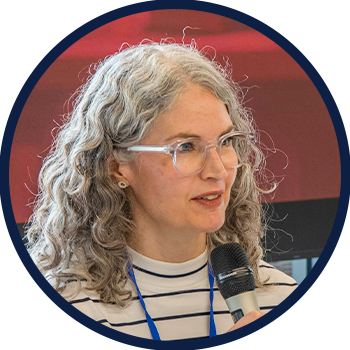
Tinne Ledwitch-Madsen
Head of ED&I, The Post Office
Drawing on her time leading employee experience and wellbeing at National Express, Ledwitch-Madsen learned that for deskless workers, wellbeing has to physically come to them and be built into what they already care about.
Her bus drivers were "male, middle-aged and sedentary," many without emails, and most just "wanted to come, do a great job, earn their wage and leave." Rather than expect them to opt in, she relaunched a health bus kitted out as a consultation room with a nurse. "The drivers really trusted the nurse - she carried out BMI, height and weight checks, they had their blood pressure monitored too." The result - healthier drivers and absence down by 1–2%.
The drivers really trusted the nurse - she carried out BMI, height and weight checks… The result was healthier drivers, absence also dropped by 1–2%
She also folded wellbeing into the drivers' existing safety culture, showing how "when life happens - a bad breakup, the loss of your mum or discrimination at the garage - it can impact your focus behind the wheel."
What this means for building a wellbeing culture: For a frontline workforce, don't wait for people to come to wellbeing — take it to them, at their site and around their shifts. And meet resistance by embedding wellbeing into something they already value, such as safety.