UK
UK  United States

Jesse Stratton, Head of Talent at the Institute of Cancer Research (ICR), is studying for her Level 7 CIPD certificate via an apprenticeship at the same time as heading up the department. “I didn’t go to university, so I’m studying while working. I have the experience but not the rubber stamp,” she says. It hasn’t held her back. Today she leads a team of five and is fundamentally shifting perceptions of talent from “filling a vacancy” to strategic workforce building.
'I left home at 17'
“I didn’t do well academically at school,” she admits. School books weren’t her thing, but working was. At 16, she contacted an apprenticeship provider and got a job as a receptionist at a recruitment agency, earning an NVQ2 in business administration. It was 2013, and young Stratton helped place others in jobs even though she wasn’t sure what she wanted herself. “I grew up on the Isle of Wight – a fantastic place as a child with beaches and the sea but there wasn’t much career-wise. Once you grew up, everything changed; it was all about getting off the rock!”
Her perseverance paid off. She landed a job in Salisbury, leaving home at 17. “I still didn’t really know what I wanted to do. Looking back, I was naïve, but I knew I preferred working to studying.” Over five years, she climbed from resource consultant to senior recruitment consultant. “I loved it – it was so fast-paced.” But when she’d learned all she could, she moved on.
I didn’t go to university, so I’m studying while working. I have the experience but not the rubber stamp
A stone’s throw from her employer was the army careers office. “I walked in and asked if they had any jobs for me.” That bravado landed her a role at Capita, the British Army’s resourcing partner. “I spent two years recruiting officers and soldiers – completely different, but I absolutely loved it. Probably my favourite job ever.” She especially enjoyed outreach: going into schools and communities to explain that military service isn’t just frontline work. “I got a lot of pleasure from getting that message across.”
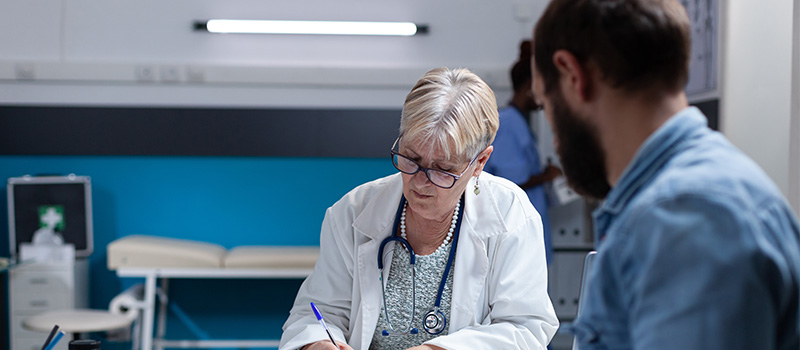
In 2019, she moved to P&O Cruises recruiting doctors. “Part of the interview was me holding up a health scan and asking them to read it!” she laughs. Doctors afloat need to handle any emergency, and Stratton knew it took a special type of medic. “They’d be sitting with guests at dinner – very different from being a GP in a village practice.” The job was great, but timing wasn’t: COVID hit, P&O made 2,000 redundancies, and there was no need for a resourcing consultant. Furloughed, Stratton decided to see what else was out there.
In 2021, a job at the Office for National Statistics came up. “It was completely different again, but I’ve never been restricted by industry.” This was the UK’s first digital census; the ONS partnered with Adecco to recruit 30,000 field staff. “With an ageing population, transferring to digital submission was tough, but that was the task.” After the project ended, she took a contracting role in the NHS, giving her time to think about next steps.
'The ICR does an extraordinary range of work'
The answer was the ICR.
“I was interviewed by the Chief People Officer, who was very open about the need to keep evolving as an organisation and modernising the way we work, particularly as we continue to grow.”
Founded more than 100 years ago, the ICR has long been internationally recognised for its scientific excellence, and was beginning to strengthen and professionalise its people and talent functions to match that ambition.