UK
UK  United States
At the Central & North West London NHS Trust (CNWL), employee experience is no longer a centralised head office function.
Considering the talent and staffing challenges facing most NHS trusts, and a broader trend that has seen HR teams become increasingly key to operational strategy in recent years, such a drastic decision may raise eyebrows.
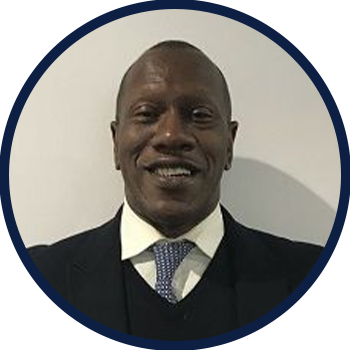
Nick Green
Chief People Officer, Central & North West London NHS Trust
But Nick Green, Chief People Officer at the Trust, tells HR Grapevine that the transformation has banished any semblance of a ‘file and forget’ mentality often found in public sector HR, and delivered a surge in engagement with key people management processes, including staff feedback.
He reveals how the NHS body has successfully built a new operating model for this core HR practice, and the overwhelmingly positive impact it has had on morale and retention.
‘Real problems’: Why an NHS Trust ditched the HR status quo
Green begins by painting a picture familiar to many HR and people leaders, and not just in the public sector: infrequent engagement with staff and general dissatisfaction with feedback mechanisms.
“We were asking our people to give us their views once a year through the NHS National Staff Survey, and while they were working hard to give us this feedback, gathering insights at a set point in the year isn’t enough to make sure employees feel valued,” he says.
As a diverse trust with many different services and locations, the centralised approach meant feedback – on the annual occasion it was gathered – would sit with head office for months, at some stage filtering into high-level divisional reports that had little relevance to the day-to-day lives of the Trust’s teams.
By the time reports reached teams, the moment had passed. Managers were busy, and the survey started to feel like something ‘done to’ employees rather than with them
“By the time reports reached teams, the moment had passed,” the CPO explains. “Managers were busy, and the survey started to feel like something ‘done to’ employees rather than with them.”
This flawed HR process translated into “real problems” for the trust.
“Attrition was too high,” Green recalls. “People were experiencing job stress. Wellbeing was under pressure.”
It became clear to Green and his team that if employee experience was going to improve, it could no longer live solely in HR.
It had to be decentralised. It had to be handed back to employees. It had to live where the work was happening – “in teams, led by line managers, and supported but not controlled by head office.”
How to decentralise employee feedback
With a renewed focus on making sure employees felt listened to and could see their feedback being acted on in real time, Trust’s people team began by doing exactly that: Asking the right questions, listening to staff and managers, and taking on feedback about what wasn’t working with the current approach.