UK
UK  United States

Throughout the year, we have interviewed leading Chief People Officers (CPOs) and Chief Human Resources Officers (CHROs). Here, we examine the perspectives of five: Uxio Malvido of the World Economic Forum, Iñigo Capell of Radisson Hotel Group, Helen Honeyman of Thorntons LLP, Frederic Patitucci of Philip Morris International, and Pauline Holroyd of Network Rail. We gained their insights on what drove the HR agenda in 2025.
Data: From intuition to evidence-based strategy
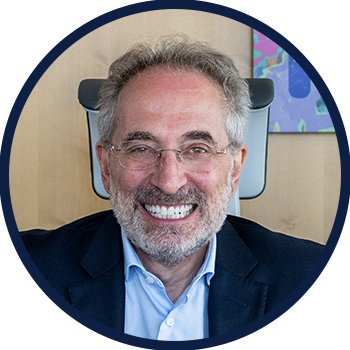
Frederic Patitucci
Chief People and Culture Officer, Philip Morris

Uxio Malvido
CHRO, World Economic Forum
Data is no longer a supportive tool but the backbone of strategic workforce planning and fairness. Frederic Patitucci, Chief People and Culture Officer, Philip Morris exemplifies this with PMI's groundbreaking ‘Bank of Skills,’ a global initiative mapping the skills of all 83,000 employees. This data-driven approach is central to what he calls ‘people sustainability,’ ensuring employees are upskilled for future roles within the company's transformation.
Meanwhile, Uxio Malvido, the CHRO of the World Economic Forum brings a scientist's standpoint to HR, saying “I’m not afraid of spreadsheets.” He is methodically re-linking performance, career, and reward through data, moving HR from an administrative function to one that informs strategy with clear metrics.
Similarly, Pauline Holroyd, Group HR Director, Network Rails uses data to track the impact of cultural initiatives at Network Rail, noting that ED&I metrics have surged an average of 60% after introducing new systems and training.
Cast your mind back not so long ago and leading decisions with what the numbers say would not have held so much sway, yet in 2025 decisions for senior HR leaders are very much data led and in some ways easier to be guided by over the heart.
We’re looking at what it takes to learn and progress – AI is part of that
Change: Leading transformation with agility and courage

Pauline Holroyd
Group HR Director, Network Rail
Navigating large-scale change is a core competency, requiring a balance of strategic vision and human-centric leadership. Pauline Holroyd is steering one of the most significant public sector reforms, transitioning Network Rail into Great British Railways. Her approach is nothing short of ‘all-in’ - “You learn by immersing yourself,” she says, having worked night shifts and ridden in train cabs to understand the operational reality.
Frederic Patitucci managed the monumental pivot of PMI away from cigarettes. He acknowledges the human difficulty of change, having to let people go who didn't fit the new culture, while simultaneously rebooting the organisation's core values through a global "trade show for culture." Uxio Malvido emphasises managing one's own psychology during change. During a destabilising crisis at the WEF, he learned to “reframe my emotions and turned down my empathy” to avoid being overwhelmed while steadfastly supporting others. For all these CPOs change is not easy but being fully present and leading the charge by making the sometimes difficult decisions in the face of fear they have pivoted their organisations.
Far from people pleasing, decisions haven't always been popular with everyone - but were the right path for their organisations.