 UK
UK  United States
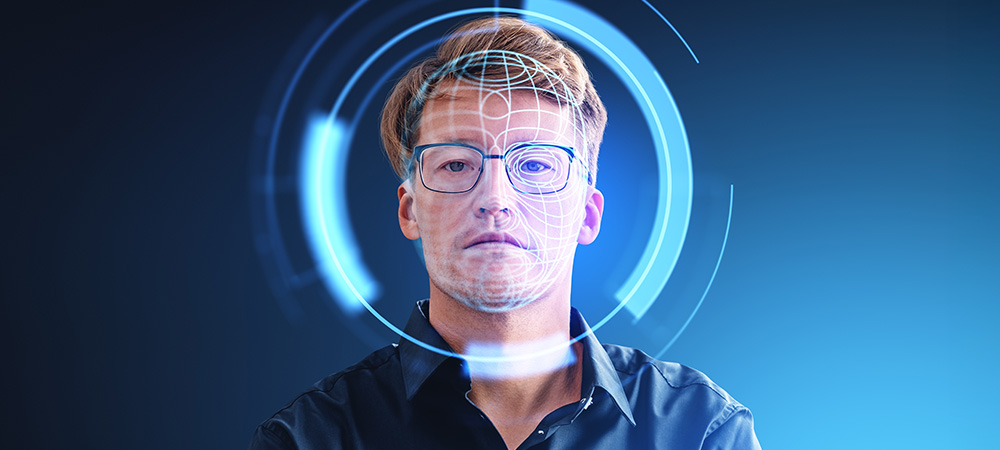
When – in 2021 – videos of Tom Cruise started popping up on the internet showing him doing very ‘un-‘ Tom Cruise things (like licking a lolly, and saying ‘Mmmmmm, that’s incredible’ to camera), a TikTok sensation was naturally created overnight. ‘Him’, of course, wasn’t actually Tom Cruise at all, but the work of fledgling Deep-fake AI effects artist Chris Umé and Cruise stand-in, actor Miles Fisher (Umé has since launched his own company creating TV ads and restoring old film footage).
But while Umé’s work was always intended to be some meme-creating mucking around, it was only a matter of time before the nefarious nature of this technology started to dominate. In the four years since, Deepfake technology being has become much more well known, and de rigueur for putting well-known actors’ faces onto porn films, to even potentially changing voting behaviour, by creating clips of politicians making sound-bites that they’ve never actually uttered. Earlier this year the UK government proposed creating legislation to criminalise intentionally creating sexually explicit ‘deepfakes’ without intent.
Observing all this in the sidelines however, has also been the recruitment industry – one which has rightfully been worried about how this technology could also be used to mislead or misrepresent.
And not without reason. Earlier this year, research by The Week found 17% of hiring managers in the US claim to have encountered candidates using deepfake technology – including those specifically using deepfake video interviews. In one case, one employer reported that out of 827 applications for a software role, around 100 were linked to fake identities.
And so it was the earlier this month, Tracy St.Dic, global head of talent at Zapier (also in the US), reported that she had “caught” the company’s first deepfake candidate on its recruiter screen. The “sophistication of tooling to mislead,” she opined, has now reached a critical point.
“There’s no doubt about it, deepfake is coming down the track,” warns David Morel, Founder and CEO of Tiger Recruitment, ominously. “As a result, HR ‘has’ to start to become aware of what it is, and how it’s growing.”
It’s not difficult to see why deepfakes are growing. Research by Utah Valley University found more than 50% of Americans couldn’t tell the difference between a real and a deepfake video. According to Gartner, as many as one in four job candidates globally could be fake and driven largely by AI-generated profiles, by just 2028. But according to Morel, it’s the growth of video deepfakes that is concerning. “If people perceive that it increases their chances of getting a job, we’ll doubles see more of it,” he adds. “At the moment it’s just about possible to detect a deepfake video interview with the naked eye, but I give it less than a year before it will be hard to spot the difference.”
When Deepfakes fooled:
In 2024 it was reported that a worker for Arup, Hong Kong, transferred out nearly $26 million dollars into several ‘secret’ accounts after believing a video request purportedly sent by the firm’s chief financial officer was found to be a deepfake video of the CFO instead (and the money was lost).
According to fraud expert Rüdiger Kirsch, as early as 2019, the CEO of an un-named energy firm based in the UK sent €220,000 to a third-party at the request of who they believed to be their superior. It is thought the money was moved to an account in Mexico, and then distributed to multiple locations thereafter.
Adds Simon Fabb, CEO chiefjobs.com: “While it’s not widespread yet, cases of deepfakes being used are increasing, especially in tech and customer service roles where identity verification may be more relaxed or fully virtual.” Where they specifically assist candidates, he says, is in their ability to help candidates look composed, and gives realistic-sounding answers to questions.
Problems posed for HR
The problem budget-squeezed HRDs will naturally face however, is the extent to which they need to regard deepfake video interviews as being a problem large enough that they’ll actually be impacted by it; and (following on from this), whether they then need to go down the rabbit hole of investing in, and understanding the rising industry around deep-fake spotting technology (which has unsurprisingly grown in tandem with the growth in deepfakes itself).
Quite legitimately, HR professionals will be wondering whether it is worth investing in expensive deepfake-spotting tech when maybe less than one in 100 interviews could be affected.


