Share this article:

Podcast | VP of HR, Frontier Co-op: Breaking down employment barriers with second-chance hiring

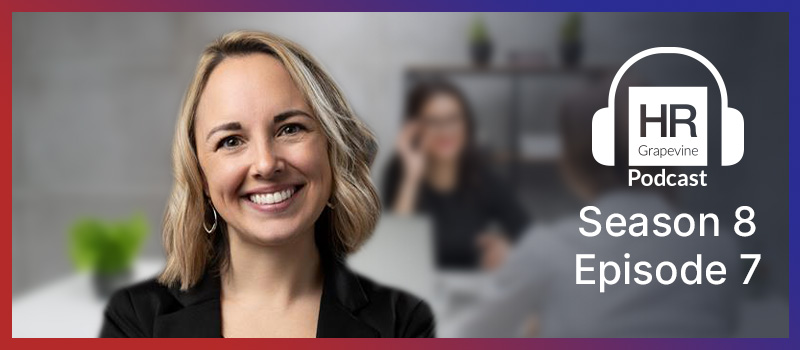
Megan Schulte, Vice President of Frontier Co-op

As a specialist in natural and organic products, Frontier Co-op has a mission to put planet and people profits, summed up best by its guiding principle: “Doing Good, Works.”

This includes the delivery of the award-winning “Breaking Down Barriers to Employment programs,” which help Frontier’s employees and community members overcome systemic barriers to employment and economic mobility.

Megan Schulte, Vice President of Frontier Co-op, speaks to the HR Grapevine Podcast about the efforts, including an investment in “second chance hiring” – and other measures such as subsidized childcare options.

Host: Hello, everyone, and welcome back to another episode of the HR Grapevine Podcast. I'm your host, Benjamin Broomfield, head of content at HR grapevine, and I'm joined today by Megan Schulte, vice president of human resources at Frontier Co-op, where she helps deliver the organization's doing good works purpose. She leads the Co-op's award winning Breaking Down Barriers to Employment programs, which aim to help Frontier's employees and community members overcome systemic barriers to employment and economic mobility. Under her leadership, her team has crafted and implemented unique solutions for subsidized childcare options, including onsite daycare, and worked in partnership with local nonprofit organizations to develop transportation solutions, adopt second chance hiring practices, and implement the co-op's apprenticeship program. And today, Megan joins us to discuss the breaking down barriers to employment programs. So we've got a really wonderful episode lined up. But first and foremost, we're getting a very warm welcome to the podcast and thank you for joining us.

Guest: Thank you.

Host: Brilliant. Well, maybe we can kick off by talking through what is second chance hiring and why is it so important for employers to consider?

Guest: Yeah. So I would say second chance hiring from an employer's perspective is both a values driven decision and a business decision in my perspective. So the latest stats show that one in three American adults have a justice impacted past. And that's a huge population for employers just to pass up based on some of the most difficult days of their lives. So I think it's very important for a business to kind of open up their mind to this, uh, hiring opportunity in order for them to be successful long term. And then second chance hiring means a lot of different things to different people. And so for us at Red tier, it's really about opening up the door to individuals who have faced barriers to employment, particularly those with a justice involved past. And it really shifts the focus from what their past may have been to kind of where they are in their journey today, and kind of what they want their future to look like for it, and really just trying to offer them an opportunity to truly have a fresh start.

Host: Wonderful. Well, I'm really looking forward to diving into how you bring all of that to life over the course of the episode. But first and foremost, maybe you could talk us through the Breaking down Barriers to Employment initiative that you've implemented at Frontier, or that Frontier has put in place what's involved, how does it work and get us up to speed with the great work program does.

Guest: Yeah. Great question. So I'm actually going to start by kind of taking a step back on Frontier as a whole, and then I'll kind of break it down into all of our programs. So really, Frontier is a mission driven co-op. And so we're owned by about sixty thousand different members. And we source product, uh, high quality herbs, spices, and botanicals from around the world. And you would see them sold under Frontier, simply organic and or Acacia. But most importantly, Frontier is driven by the simple purpose of doing good works. And what that really means is that you can have a successful business and have a positive impact on the world, and this is what we truly believe in, and that we try to preach kind of everywhere that we possibly can. And so my job being the vice president of human resources here is really about taking that purpose and making it a reality within my work and my day to day. And so that's really where the Breaking Down Barriers to Employment initiative kind of started up for us all. And so there's kind of different pillars that fall underneath that. One is around second chance hiring practices. And as I mentioned, that's really about making sure that somebody can truly get a fresh start and not be judged based on some of the most difficult days of their lives in the past that they've had, but truly where they are in their journey today. Along with that is really kind of the support services around that. So in addition, we have an apprenticeship program. We partner with a local homeless services provider here, and individuals are able to get skill based training and come into Frontier and really kind of work side by side and really build those skills up for them and really have a stable income during a time of need for them. In addition, we have a transportation program, and that's a van that runs from kind of a local city here in Cedar Rapids, from us out to the Norway location, we are in very, very rural Iowa. So transportation is literally non-existent here where we are. So having that transportation available to individuals is very important for us, for them to be successful. In addition, we have a childcare initiative and there's a couple components to that. So we actually have an on site childcare available to employees. And we subsidize the cost for that as well. So individuals can come in there from six weeks all the way up to twelve years old, is that we take here, and parents are able to go down and see their kids throughout the day. And that's really allowed individuals to be kind of their best selves here at work. And you can have a career and you can be involved in your kids personal lives as well. And that's very, very important. And I think that we saw the impact that childcare had on the workforce overall as we lived through the pandemic, um, especially here for it. So we have kind of this childcare component and we subsidize part of the cost there for individuals. And then in addition, we have kind of financial assistance or financial initiatives that we have going on to where we help support individuals kind of in their goals that they're setting, and then how to get there and kind of sustain some of these financial goals long term and Frontier matches. Um, part of the dollars that they're saving up throughout that program. So a lot of different pieces underneath it, but it's really about how can we break down those barriers to bring candidates in. And then once they come in those doors, how can we really support them kind of long term for retention purposes and making sure that they're successful.

Host: Brilliant. Well, a huge amount of positive work going on there. And one of the areas that you mentioned and that we've been speaking about is the Second chance hiring program. As you said, it's a huge part of the workforce to be overlooking. So it's not just, you know, a right thing to do. It's also a great thing to do for the organization as well. But for the perspective of an HR leader like yourself or a leader, what are some of the considerations that people need to take in mind when responsibly implementing this kind of second chance hiring program? Any considerations to make to make it work? Any partnerships that can help along the way as well?

Guest: Yeah, no, I think it's really good. You brought up partnerships because I do think that's important to all of it. In addition, I would tell people start small. I mean, when we started into this, we were talking about one individual and then we slowly grew from there. But I would say as you start to build out the program and as you start to scale it, in order to be successful long term, you need to have the support services around it. Just changing those hiring practices alone are not going to make sure somebody's successful long term. So that's really where Frontier kind of reached out. And those partnerships are so critical to us. We are in the business of herbs and spices and botanicals on our or acacia side of the business. So this isn't what we live day to day. And so it was important that we have individuals that really understand the needs of these candidates and can support them in ways that we're just not able to. So for one example, we partnered with Willis Dady Homeless Services. And so they're actually not only providing case management for individuals and helping them out with any of their other personal struggles that they may be dealing with, but they also run our transportation program too. And also just making sure from a workforce standpoint that they're helping them kind of work through anybody's kind of workforce challenges that they would have as they kind of go through their journey here. So I would say one kind of starting small and two, as you start to scale it, really look at partnerships and how that can kind of support the program overall.

Host: Absolutely. And you touched on something before around being able to not just create really great opportunities to hire people, but also thinking about the retention piece and making sure there are those pathways for them to succeed in the organization as well. But I wonder, are there any sort of lessons around, around that that you've learned when it comes to delivering an inclusive hiring model that helps people not just get in, in, into the organization, but then hopefully gives them a platform for them to be able to build a career as well as just get that first job or that second job.

Guest: Yeah. As I would say, I mean, the support services and programs around that are critical to that piece of it. I would also like to add in that really listening to employees and being flexible to evolve your programs, the programs that you have today might not be the programs that are needed here in the future. And I think that we really have to be open minded about how the world is changing and how things are evolving, and what new programs we need to be looking at, or what gaps are being created that we can help fill in there. So I would say that in addition to the partnerships consistently listening and this is just across the board, I think, um, HR leaders just consistently listening to the employees and being able to adapt programs as the needs are changing throughout the organization.

Host: Definitely. Well, maybe on that note, it would be great to talk about the impact that you've seen this, this initiative and this sort of piece of work have on your workforce at Frontier. What are some of the impacts that you've seen, and has there been any feedback that you've taken on from participants or hiring managers for these roles as well? Who benefited from the initiative? What sort of feedback do you get and what impact do you see?

Guest: Yeah, so I think there's both a personal kind of impact that's happening. And then there's also kind of a measurable impact that's happening. And I would say that we've seen really strong retention from employees, from getting promotions and starting to build their careers as they've kind of entered into this program. And in addition to that kind of our latest engagement survey that we did across the organization, we had looked at engagement rates for individuals who have gone through the program versus individuals who haven't, and individuals who have gone through the program actually had a higher engagement rating than those individuals who did not go through any of these programs. And I think it really just shows that kind of reaching out a helping hand at a time when somebody is in need and helping them through some of those barriers, both from a personal and professional standpoint, builds a level of loyalty that you won't have any other way throughout the organization. And so that's really, really been something that we've seen across the organization as we build out these programs for it all. I know that you kind of touched on the hiring manager standpoint of things, and I would say our hiring managers, the one thing that we've really wanted to instill in this project and the program as we kind of build it out, is making sure that this is anonymous and individuals truly get that fresh start and are not judged based on their past, but truly judged on based where they are in their journey today and kind of what their potential is for the future. And so what that looks like in practice is our hiring managers, as they have interviewees coming in and candidates coming in, they don't know what program these individuals are coming through or lack thereof of programs. So it might be a referral, it might be really anything. And those individuals coming through, and we really want them to assess them based on their experience or the potential that they may see in them here in the future. So from a hiring manager perspective, we don't get a lot of feedback just because we want to make sure that that's truly there. But when you're getting down to a personal aspect of things, once again, we keep things anonymous, but we do have individuals that do want to share their story, not only from a personal standpoint, but also just promoting it to other employers and making sure that they understand the impact that this can happen on a person. And I'll tell you, you hear one of those impact stories on a personal standpoint, and that's worth everything on our side of things for it all. So it is great to see. and I think it truly just kind of goes back to our purpose that doing good does work. We can have we can have loyal employees, we can have a strong retention rate, but we can also do good and build up our communities in those ways.

Host: Absolutely. Definitely. I think, yeah, there's, there's, there's always the measurable results or impact, but it's also those individual stories that bring, yes, a program like this to life. So that's, that's fantastic. I wonder more, more broadly, being able to tap in perhaps this area of sort of the workforce that a lot of employers maybe just don't have that dedicated strategy around, is that helping yourselves as an organization to, to tackle some hiring gaps or to sort of to access that deeper pool of talent? Has it been useful for you, as you think about some of the talent and hiring goals that you have as an organization as well?

Guest: Yeah, I would say for sure. So this program really started to grow legs in twenty eighteen. And here for us, we are facing record low unemployment rates and really couldn't find candidates. And that kind of Perpetuated as we kind of went into 2020 and Covid. And there's been different points in time that that has that has still hit kind of the broader population here in businesses. And I would say that this is these programs have really kind of set us up for success, because it's a population that many other individuals who have not tapped into on our side of things for it. So really kind of when you're talking about the stats, around one in three American adults have a justice involved pass, like that's a huge population that other employers aren't even looking at. And so that is really, really helped us to kind of fill in any hiring gaps that we've had throughout the last almost ten years for it all.

Host: Definitely, fantastic. And I just wanted to come back again to this, this wider component of removing employment barriers. Obviously, when we think about some of these difficulties, the affordability of childcare, transportation costs, the access that those individuals who have that justice record have to, to, you to opportunities for employment. These are not necessarily an employer's complete responsibility at Frontier is part of a much bigger issue. But the point is that HR can play a really impactful role in removing some of these barriers. So is there what do you think about that bigger role that HR professionals and leaders can play to sort of drive that change within their organization and starting internally? And again, are there any particular barriers, whether it is that transportation, childcare you've mentioned that you think are really important talking points as well, that that maybe some organizations just might not have considered yet?

Guest: Yeah, I will sidestep just a minute. I think that's a really good point that you made there, that there are a lot of challenges and struggles that people are going through, and I think that we can wait around for others to kind of fix our problems overall, or we can look for solutions ourselves. And really here at Frontier, what we've continued to push ourselves, and I'll give credit to our CEO, Tony Bedard, has really pushed us to look outside of the box. And how can we kind of build those solutions ourselves and not just hope that somebody else is going to kind of build the success for us overall. And that's really what's been able to differentiate us from other companies and at all. But so to get back kind of on HR's role in the role that we play. So I think it's a HR plays a critical role when we're talking about this on addressing kind of real life barriers that people are having to employment or even retention long term. And many of the decisions and programs that they're putting in place are defining whether somebody's going to be employed or unemployed, to be honest with you. And so it's a real kind of workforce, but also a business challenge and a business decision that people need to be making. And I think sometimes these benefits are viewed as just kind of an expense line. And people need to realize that, like with that expense is really determining kind of the long term retention of employees. And we can talk through what those numbers look like, but they can add up very, very fast, as anybody in the HR world kind of understands that piece. So here at Frontier, we really look at holistic programs and how can we support the whole person? Like of course, we want to build up their career here internally, and we want those development programs and training opportunities here internally. But in order for somebody to give themselves in their career and continue to advance in their career and put effort and themselves into it, they really need to feel supported from a personal standpoint as well. And so I think that businesses in HR in particular, can kind of step into this piece and really look at what are some of those personal struggles that they can help support to get people in a place where they can grow their careers? And so here at Frontier, that may look like we had financially supported Willis Homeless services on purchasing a van and then providing that transportation to and from work for individuals who might not have reliable transportation available to them. Or it may look like child care options where we have had an on site childcare since the very beginning in nineteen seventy six. So fifty years we've had on site childcare, and that's been a huge component of supporting individuals holistically there. And we subsidise down to it's right around one hundred and ten, one hundred and twenty dollars for a child to go to childcare there, partnering even with the local school district and being a pick up and drop off location for those kids, and then also providing day camp services during the summer time, because we understand that those are some of the gaps that individuals are facing when it comes to daycare and childcare. And then really kind of to add on to that, I would say the training component through our apprenticeship program and really offering that case management for individuals. So as they are dealing with other personal struggles, they have places to connect on those and offer them the support that they need in order to be kind of successful long term. And I think the impact of those programs as significant. And like I said, it can really determine whether someone is employed or unemployed. Kind of in the end. So they're important business decisions that HR really needs to step into and, and have a voice for people on.

Host: Fantastic. Well, I think that's a great note for us to end on. And we'll definitely include a link to, to, to a page on your website that just sort of breaks down a bit more around the breaking down barriers to employment initiative that you've got in place. There's some really great information on, on there. And again, it's just been an absolute pleasure to, to hear all about it and some of the great work you're doing, but also how you're bringing it to life within the organization as well. And some of the practicalities and best tips for, for HR leaders to, to consider, because there's a lot that people can take away, I think, to think about for their own workplaces. So Megan, a huge thank you again for taking the time to join us on the HR grapevine podcast. It's been wonderful to talk to you today.

Guest: Yes. Thank you so much, I appreciate it.

Be the first to comment.

Sign up for a FREE myGrapevine account to have your say.

Share this article:

You are currently previewing this article.Create account

This is the last preview available to you for the next 30 days.

To receive our daily newsletter and access HR features & insights, create a free account today.