 USA
USA  United Kingdom
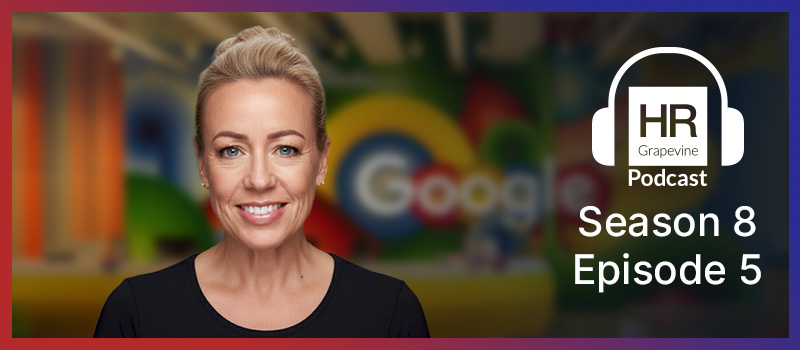
Google is on a mission to enhance the support it offers employees who are navigating perimenopause and menopause.
Addressing a critical mid-career health gap, the tech giant is in the process of introducing 24/7 virtual support for employees, in a program that will cover over 80% of Googlers globally by the end of 2026.
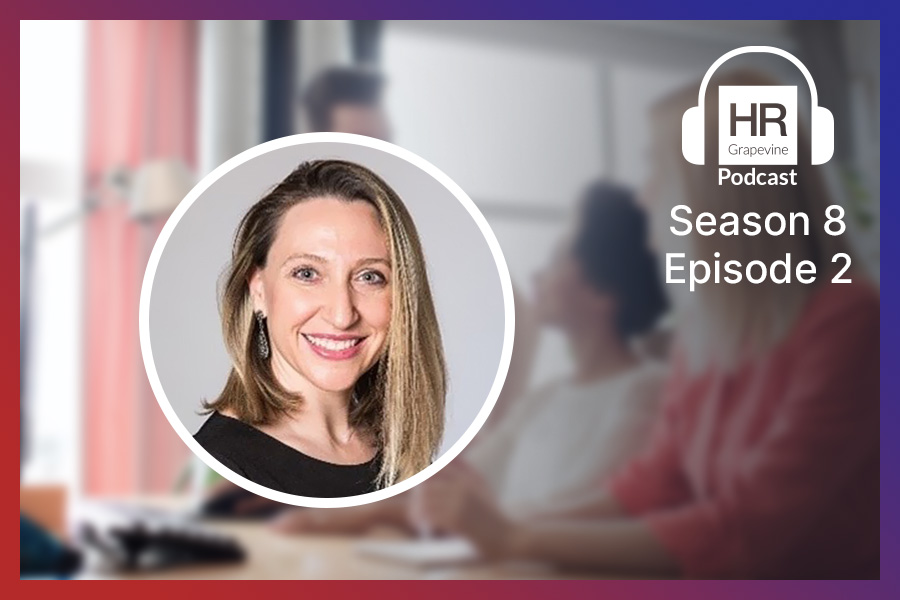
Alex Maddison, Senior Director of Global Benefits & Mobility at Google, joins the HR Grapevine Podcast to offer a behind-the-scenes look at the comprehensive coverage, which includes access to:
Dedicated care advocates (navigators) to guide them through the process
Expert specialists (OB-GYNs, nutritionists, pelvic floor therapists, and mental health providers)
Career coaches specifically trained to help manage the transition in the workplace
Maddison reveals how the benefit is being rolled out at a global scale, and discusses why all employers must remove the physical and mental hurdles that contribute to women exiting the workforce.
Host: Hello everyone, and welcome back to another episode of the HR Grapevine podcast. I'm your host, Benjamin Broomfield, head of content for HR Grapevine. And I'm joined today by Alex Maddison, senior director of global benefits and Mobility at Google. Alex is a senior global compensation and benefits leader with nearly three decades of experience across the globe. She joined Google in London in 2014, eventually moving to Mountain View, California, and is leading the company's worldwide benefits, mobility and immigration functions. In a move not widely adopted across the industry, Google is proactively addressing a critical mid-career health gap by expanding its global benefits to provide specialized twenty four sevenths virtual support for employees navigating perimenopause and menopause. And today, Alex joins us to talk through this expanded support and reveal how it's being rolled out to cover over eighty percent of Googlers globally by the end of 2026. Are we touching also on the use of career coaches and all the resources given to Google colleagues to ensure they have the tools and knowledge to manage their health. So a lot to cover, but first and foremost, a very warm welcome. Alex, thank you so much for joining us here today.
Guest: Thanks so much, Benjamin. It's great to be here and even more so it's great to be discussing this topic. I'm super excited that this is one that's interesting for people to hear about. And that's a change I've seen over my career. So it's just awesome to be here. Thank you for having me.
Host: Absolutely. And as I set out in the introduction, this specific benefit and the level that it's offered at is something that's not widely adopted across the industry. And even though there has been that positive shift in conversation, at least. So what first prompted Google to address that, that health gap for employees navigating perimenopause and menopause? What prompted that conversation at Google?
Guest: Yeah, the conversation was prompted almost entirely by the disparity in the information available globally for our employees to access this kind of care. So we see a very different level of information available, a very different level of support from specialists. Even if the specialists are available and different systems, it varies from country to country. We knew that those going through the menopause didn't always have the support they needed, depended on, you know, the healthcare provider they relied upon. And here at Google, we take very much a lifecycle approach to our benefit. So that means that we look to support and retain our talent throughout the entire sphere of what they go through during their life. And this was an area that we felt was underserved in the market.
Host: Fantastic. And then perhaps a good area for us to begin this conversation is really thinking about some of the symptoms of perimenopause and menopause and impact employees, how that can impact employees, especially in the workplace, and as a result, the workplace itself. What are some of those impacts that that can come through that perhaps people should be aware of?
Guest: I think the most important thing to mention here is that everybody can experience almost everything differently, and not least perimenopause and menopause. I think one of the challenges that people I've spoken to, and we do get a lot of feedback on what our employees, we call them Googlers, but on what they need. And there are very typical symptoms that affect them in the workplace brain fog, sleep disruption. And these can really represent a critical mid-career health gap that we are concerned about. But it's also important to acknowledge the other symptoms that people can experience low mood, lack of confidence, more anxiety. And these sometimes cause a bit of friction in terms of being able to express them. So we really look at it quite holistically. You know, we know that across the US, employers experience 1.8 billion annually lost work time, which is a huge impact to the workforce and for employers. And also, I think just as critically, we know that around one in ten women are at risk of leaving the workforce based on these symptoms. So it's critically important for us that we support this high performance and retain the talent and support the employees where they are throughout the range of experience of symptoms that they're likely to have.
Host: Absolutely. Well, it would be, I think, useful for people in the audience, especially considering the scale at which this benefit is being rolled out across Google as an organization to think about the planning and delivery of this benefit in practice. How did you go about identifying exactly what support employees needed, and then also getting that buy in and that support across the organization to make it happen and determine what you could meaningfully provide?
Guest: Yeah, that's an excellent question because it's not easy, right? It's not easy to bring in new benefits and get support for the right moment in time. It's interesting then, because when I look back across my career, what I've typically done prior to joining Google was look at what products and what benefits were available in the market, and then see whether or not we needed them and whether they were a good fit. At Google, we do it completely differently. We look at what gaps there are. We look at what our employees need at certain points in their lifecycle, and then we look at how we can solve those gaps. So for us, this was about looking for opportunities to improve where we saw the industry performing with regards to perimenopause and menopause, starting to look at what are these needs hearing from our workforce? What does this mean to you? What are you experiencing? What can we help you with? We actually did have a pilot program that we ran in the US, and we got some really great feedback from that, and that helped shape how we were thinking about this more global rollout. But, you know, hearing from our Googlers that it's not just physical health, it's also mental health that gets impacted was really important in shaping the benefits. You know, the very global, disparate nature of our workforce meant that virtual support was really important. If you if you take an example, you know, we've got employees who may live in one country, they're traveling to another country, they may be working in different time zones. Them needing that support when it matters is exactly what we wanted to provide in terms of getting buy in. The disparities in the care that was provided was our best argument there. It was it was a very somewhat easy sell than you might have imagined, because the need for this care and the need to support Googlers at their entire life cycle. And this being part of it was really apparent.
Host: Definitely. And you mentioned obviously the support for each person is probably going to look quite different. Everyone has those different experiences. And so that has obviously meant there's a real need here for a holistic package, a range of different features. So what's involved in this program of support? What's involved in these benefits? What can employers sort of typically expect to gain and or I suppose, what's on offer to them?
Guest: Yeah, absolutely. I can't say enough how much we want to anchor towards an individual's unique experience. That's absolutely paramount. However, there are some symptoms that come through that we are getting prepared for. So for example, mental health support. We know that regular check ins that can provide tools, they can help members recognize and cope with mood swings, for example, or the impact of a lack of sleep or what brain fog may feel like in the middle of a critical meeting. So that's something we think about a lot on career guidance, something you touched on earlier. So coaches assist our members with in developing their plans to manage work whilst menopausal, you know, including. And I think this is really critical how to communicate what folks might be experiencing should they choose to do so to their managers. So if you want to have a conversation with your manager about how your work might be impacted or how you might feel, that can be a very difficult thing to navigate. Our career coaches can help provide guidance there. But overall, you know, and obviously wellness, you know, sleep coaches, how to relax, how to manage some of those very typical symptoms of sleep disruption. But overall, our key features are around a twenty four, seven comprehensive personalized care team. So this is dedicated advocates. So in some countries we might need advocates to help support people navigate their local healthcare systems. With regard to these issues, we've also got expert OB gym nutritionists, mental health providers and obviously the career coaches. So it's a really comprehensive and it's very much needs led by the individual's unique experience.
Host: Definitely. Yeah. I think I think as we speak about that's the most important thing is obviously being able to. Yeah. To get that tailored support. But obviously something there's that level of twenty four over seven care as well is, is a really impactful benefit to be able to deliver to so many people. Again, I was, I was going to ask sort of around the cost, but that feels like the, the wrong way of framing it. This feels like more of an investment, right? In terms of in your workforce, their wellbeing, and obviously helping to tie back to your original point to helping Google thrive as well and sort of to ensure that there's that people are able to show up and get the work done that they want to do as well. So what's that investment look like for, for Google as an organization to be able to provide that level of care across, across the globe?
Guest: Yeah. Well, it's absolutely critical for us that we look holistically at how we're supporting our employees. We don't really think about it as a cost per benefit. That's not how we structure our benefits package or we look holistically. What level of support are we offering at the time that people need it most? And that's very much how we've approached this program. It's not something that we focus on a cost per country or even a cost per benefit. It's us looking at this holistic support. And how does this line up with the Googlers needs and what value are we getting out of that? So that's really how we've approached that narrative.
Host: Definitely. You touched on a little bit around the complexity as well of being able to deliver this, the nuances that are going to be there from different markets, different market, different countries, different countries. So have there been any specific challenges that you've worked through in rolling out the benefit globally, and how did you sort of go about overcoming them in this implementation process?
Guest: Yeah, we, we, I want to give a shout out to our benefits team globally. They are absolutely phenomenal. They are used to rolling out very complicated market leading global programs. The challenges by far are much more on the lack of knowledge and the lack of information about the impact of these conditions globally, rather than on the actual rollout and implementation side that we can control. This is a really big hurdle to navigate, I think really tied up in that. I think a lot of people who are experiencing perimenopause and menopause are used to support not being available. And what that does is mean that people are not looking for it, right? They've become comfortable with it not being there and made their peace with that. So not only are we challenging the market where there's gaps, but we're also challenging the individuals to say, tell us what you need, let us help you. And that's a really interesting challenge that we've been working through with our employees. The other thing we have as well, and you know, Google offers is an enormous suite of benefits, actually. So making sure that people have the right information at the right time without overwhelming people, that's another thing, ensuring that they've got the information when they need it. That's part of this twenty four over seven always on. Tell us what you need type focus that we're able to offer, which is really good. But you know, it does vary by region. The ability to support the simplicity of rolling out, there's complexities that do occur on a country by country basis. So we're working through those. We do hope to have eighty percent of our workforce covered by the end of 2026, with the remainder as soon as we can after that. And really, one of the key things for simplicity has been opting for this virtual twenty four over seven coverage, because that has navigated a lot of the challenges that we've been experiencing.
Host: And just that point around being able to, to really give staff the information that they're going to need. We hear this time and time again, not just with benefits, but with a lot of what organizations might kind of offer to staff. It's just that communications gap. Once we've got this really great comprehensive benefits package, we want people to be able to use it. We want you to be able to engage with it. But obviously trying to get that message across sometimes is easier said than done, especially when people just maybe don't know what support is on offer to them. So how are you going about educating Googlers on this issue, ensuring that they're aware of the support that they can have, and really building that level of awareness that there's this there's this new benefit, this new expanded support coming into place.
Guest: Yeah, it's a really interesting question, and I don't know that anyone has cracked that yet, but what I do think is that building that narrative and that dialogue with our employees does not start in the moment of a launch of a new benefit. It starts way before where they trust the company to be able to support and provide support when they need it. So what we do see is a lot of our employees have quite a lot of faith that we will be able to help them in the moments that matter most to them, which is such a useful, credible tool to build on. So people are searching for information in the moment when they need it. That's really helpful. We also have a vast array of tools to communicate with our workforce around what we offer and how we offer it, and those are continuously being improved. I think part of our role here is not just to educate the people who are experiencing the need for the benefit. So folks in this case who are going through perimenopause or menopause, but to educate the entire workforce about how some of these lifecycle moments could impact people and therefore start building this narrative that, of course, support is going to be here if you need it. It's an awesome challenge. It's one we're delighted to take on. Like I say, I don't think any company I know of has completely corrected. But we, we definitely are doing our best and we have a great dialogue with our employees. We have a lot of feedback from our employee resource groups. So people with specific interests can join groups and let us know. And also an ongoing dialogue through numerous channels with our employees around what they need. So it's working so far, but we will we will need to evaluate, you know, how this is working. Is it meeting their needs? What are the unintended friction that we don't know about yet? And we're always open to hearing that as well.
Host: Yeah, definitely. We've spoken a little bit about the career coaches as well that are being brought in to sort of expand on the support beyond that, that twenty four over seven access to virtual care. And that feels like a really important sort of step to take as well in being able to shift that culture a little bit within the organization and giving employees that, that support throughout their career as well. So what is that going to look like in terms of experience for, for staff? How will they be able to engage with that coach? What kind of support can they expect from them?
Guest: Yeah, absolutely. I mean, having this comprehensive, holistic support. So not just focusing on focusing on the medical support. And also, you know, there's a medical arena, there's the mental health focus, and then there's the work piece. Now they are all interconnected, but absolutely, it's a really, it's a really important part. Sometimes it can be hard for individuals, as I mentioned earlier, to find the right language to talk about things that are personal and they may just not want to, but they may be experiencing certain symptoms that are impacting them in the workplace. Career coaches can help bridge that gap, really empower folks. This is what we're aiming for, like empower the folks who are experiencing these symptoms with the right tools to develop a plan for managing this while they're at work. Practical strategies, you know how to manage your energy, how to manage productivity, what can you expect there and support with how to talk to colleagues or managers when you need to change the way you're working to accommodate these? I think this criticality of having the open communication in the workforce is a really important point. I don't think it can start benefit by benefit. It's built up over years and we're lucky Google is progressive, so we are used to having these conversations. It is an open environment to have these conversations, but I still think when people are in that moment, providing some of these coaching tools can be a really valuable way of empowering the situation.
Host: Wonderful. Now, I really, really love to hear about that kind of benefit as well. And I think it's just going to be hopefully a really useful blueprint for other people to follow as well when it comes to support that they're rolling out. Perhaps just as sort of one of the final questions talking about, I suppose, measuring or benchmarking the success of this specific benefit and the program support that's in place. You've spoken about obviously getting that direct feedback as being sort of a really important part of it, but are there any specific ways that you're going to really look to see how successful this benefit is being based on perhaps the initial expectations you have for it? Any way that you'll get that feedback and really bake it in to improve what's on offer to Googlers over time?
Guest: Yeah, it's interesting because a lot of people find going through perimenopause or menopause symptoms really hard. This benefit is not necessarily going to stop that being the case, and we're realistic about that. I think sometimes when it's about understanding what success looks like a lot of the time, and it doesn't look like making things always perfect or better or canceling out the experience, what it does look like is support. This program needs to be dynamic. We need to listen to how people are experiencing it. What difference is it making to their symptoms? Are they using it? I think that's one of the first things. Are they using it right? Is this is it causing too much friction when folks try to access this service or what's their experience like? So employee feedback is critical and we have good mechanisms of sourcing that. I think also our vendor reporting, you know, how many people are they seeing? What are they hearing when they obviously it's completely anonymized, but themes and, you know, utilization is something we can definitely. And if they measure success as well, like satisfaction, that can be a very good tool for us to hear about. I think the level of onward engagement. So follow up appointments. Accessing educational materials. I also think we. This is not a static program. As I mentioned, it's dynamic. We're going to learn more as we go through this. And we need to we need to be open to that. We need to challenge our vendors to continue to innovate in this space. We're learning more all the time. Things are evolving. So there's a part of it where we need to look at the success of the program, and we're reaching the right people in the right moment. And are they utilizing the service, but also, are we evolving it based on what we hear and how the market's growing? I think if we can, if we can confidently say yes to both of those things, that will be a success in my mind.
Host: Definitely. Well, I can see we've just got a couple of minutes left for the episode. So maybe just as a final piece of advice, obviously there's going to be lots of employees out there at the moment who I'm sure are planning to, to expand their support or perhaps introduce a benefit in some kind of care for the first time as well. Not all of those organisations will have the same sort of context as Google or sort of, I guess maybe even the same resources to deliver this kind of benefit. But I think there's still, as you say, this, this shift that we're seeing more employers beginning to think about the role that they can play. So for someone listening, what sort of advice would you give for them that you've picked up in this process so far about being able to deliver meaningful support to people who are going through perimenopause or menopause? What do you think organizations can be doing better?
Guest: Yeah, thank you for asking that, because I think this is a really important question for folks. I think the most important thing I think about any benefit is it being needs led. What's the real gap if you have a fantastic support in a country, but it's very difficult to access because it needs a high level of advocacy with your own, you know, primary care practitioner or something like that, then that is the need. It's the advocacy. If you're in a country where actually it's the, it's the level of specialism that's lacking, then that's what needs to be filled. This one size fits all approach, I think very typically is challenging and never more so in the perimenopause and menopause space whereby its very nature, the symptoms are unique. So I think listening to folks who are experiencing these symptoms, understanding their needs and then meeting those needs, rather than starting with the one size fits all approach, that would be my biggest advice. And also just a huge kudos to any company that's going and focusing on this area because I think it's so critical. It's not yet fully baked and not yet fully explored, but that will change by these actions. So I'd be delighted to see that on the fourth.
Host: Absolutely. Well, Alex, thank you so much again for taking the time to join us on the HR Grapevine podcast and talking to us all about this benefit and how you've been rolling it out and the approach you've taken at Google. It's been wonderful to hear all about it. Lots of good advice, I think, for people to take away, but I'm excited to see how this, this program and this support takes shape over the coming months and years at Google and wish you the very best of luck on the journey as it continues.
Guest: Thanks so much for having me, Benjamin.


Richard