USA
USA  United Kingdom
We’ve all heard the noise around bringing your ‘authentic’ self to work, as if there should ever be more than one version of you, but what if you’re not even allowed to be yourself outside of working hours?
Assuming you’re not up to anything illegal after you leave work, should your lifestyle and hobbies affect your ability to get or even hold down a job?
At least one boss believes it should.
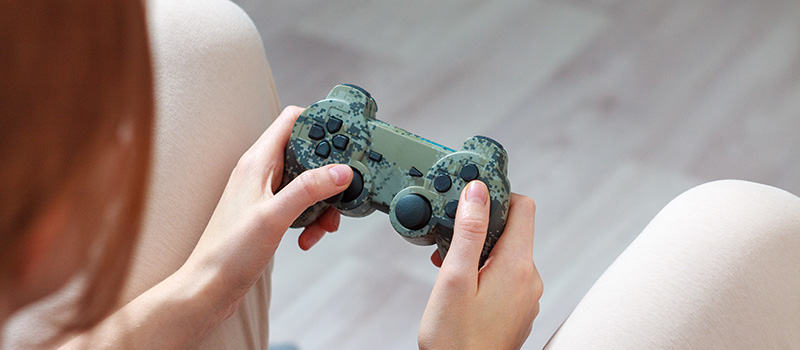
A poster on Reddit claimed that their boss interviewed a prospective employee and decided not to hire her because she played video games in her spare time.
“My boss states that he wants a well-rounded person and doesn’t want someone who plays games when they go home for the day,” the person wrote.
Obviously, it provoked a reaction online (what doesn’t?) and sparked a whole debate around hiring bias and broader questions about judgment, culture and employer brand.
HR hiring bias and cultural perception
Many users felt it would be smart to only share hobbies that could be considered productive in a professional setting.
“What someone does with their free time has no business being discussed or judged in the workplace,” others wrote.
That perspective collides with a reality acknowledged by career coach Angela Copeland on CNBC.
“It’s best if the hobbies are something that the interviewer may either relate to or respect.”
That advice, practical as it may be, reflects a different reality when applicants believe certain hobbies carry stigma, and curate their identities accordingly.
“This is why my answer is always playing music and camping, even though more of my free time is spent gaming. It’s outdated nonsense and I guarantee you this guy just watches TV with most of his free time, but it is what it is. I swear interviews are just about who is the biggest liar,” one person wrote.
Another added: “Honestly I’d preface with my other hobbies. I bowl, swim and bake at home. People are too judgmental of others’ hobbies especially if they’re not acceptable to the boomer generation.”
Generational assumptions and employer risk
The thread also touched on generational dynamics, raising questions about whether age shapes attitudes towards gaming and other lifestyle hobbies.
“It’s unclear whether the boss in question is a ‘baby boomer,’ but most bosses fall under that category. In 2018, FactSet found that roughly 80% of S&P 500 CEOs were ‘baby boomers.’”
Generational stereotypes are easy shorthand in workplace debates (just ask any Gen Z) but the data forms a more complex narrative.
A study from Newzoo found that a whopping 42% of baby boomers are gamers. Video gaming ceased to be the domain of back-bedroom button bashers a long time ago. Sony and Nintendo brought gaming into the mainstream back in the nineties.
If nearly half of baby boomers engage in gaming, dismissing the hobby as unprofessional or unproductive appears inconsistent. It also challenges the idea that gaming is inherently incompatible with performance or responsibility. Go talk to the video games industry body and they will tell you at length how it build abilities like problem solving, spatial awareness, cognitive skills, hand-eye coordination and so on.
Why HR still struggles to reach Deskless Employees
Frontline employees often have the greatest need for HR support—but the least access to it. The reason is simple: most HR systems were designed for desk-based employees.
If you're investing in HR digital transformation, it's essential to ensure that every employee—whether office-based, hybrid, or deskless—has equal access to HR services, information, and support.
This guide explores the key considerations for building a consistent, accessible, and connected HR service experience for your entire workforce.
You'll learn how to:
✅ Deliver consistent HR support across every location
✅ Reduce repetitive HR requests
✅ Improve self-service adoption
✅ Connect email, mobile, AI and employee portals
✅ Create a better employee experience for frontline workers
And in the context of the broader labor market it piles even more pressure on candidates.
“As if the job market weren't scary enough. If you're lucky to even get an interview, now you have to worry about bosses critiquing how you spend your free time,” said another Reddit post.
In a competitive hiring environment, perception can shape employer brand as much as policy. Even isolated stories can influence how candidates view an organization’s culture.
For CHROs, the central issue is not gaming, or any other hobby, it is governance and consistency. If hiring decisions are influenced by subjective views of lawful personal hobbies, HR hiring bias becomes a strategic concern. It can affect diversity of thought, psychological safety and even retention if employees feel judged beyond their professional contributions.
The Reddit post may read like a minor anecdote, involving one recruiter, but it reveals an anomaly in modern talent strategy. Employers say they want well-rounded employees, yet interpretations of what that means vary widely.
And those employers that genuinely want ‘realness’ might not get it, because candidates are adjusting, filtering what they share, managing impressions and shaping narratives to align with what they believe interviewers want to hear.
Game over for authenticity.