UK
 United States


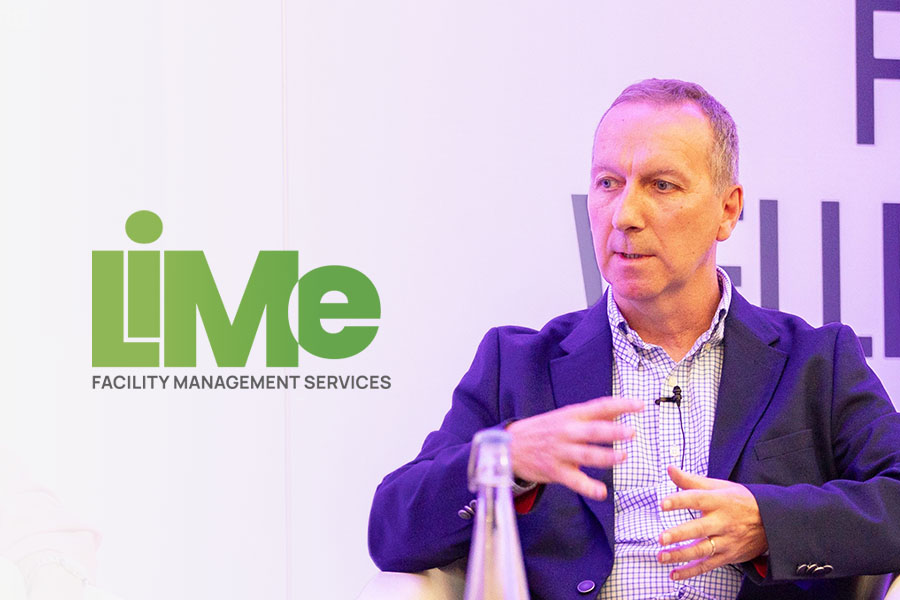
HR is the organisation's emotional shock absorber, says former HR Director Rob Cross. Dealing with the challenging issues of employee relations is part of the job but who is then looking after the people that do the caring?
Empathy without over-ownership is the key to a sustainable HR function
Wellbeing strategies tend to focus on the workforce, but the people delivering them are often the last to benefit. Rob Cross is a former HR Director, an experienced leadership development coach and the author of Ask 3 Questions: How to Live Well in a Distracted World. HR Grapevine spoke to him about why emotional overload shouldn't be treated as part of the job, and what organisations can do about it.

Rob Cross
Former HR Director
Emotional labour is real work
"HR and L&D professionals are often expected to be the organisation's emotional shock absorbers," Cross says. "They hear about conflict, illness, redundancy, poor leadership, burnout and personal crises, all while being expected to remain calm, fair and available."
That emotional labour never appears on a to-do list or a project plan, he points out, and because it is rarely spoken about, absorbing distress can be mistaken for providing support. "Empathy does not require HR professionals to carry every problem after the conversation has ended."
He draws a distinction between being responsible for the quality of your response and feeling responsible for another person's entire outcome. "HR can listen carefully, explain options, connect people with the right support and challenge harmful working practices. It cannot remove every source of discomfort or control every decision that follows."
His advice to leaders is to encourage their HR teams to ask three questions: "What is mine to act on, what is mine to influence, and what must sit elsewhere?" That, he says, preserves compassion while preventing over-ownership.
Boundaries are an operating-model problem
Wellbeing advice often centres on individual resilience, but Cross argues that personal coping strategies can't make up for a role designed around permanent availability. "If HR is routinely contacted outside working hours, moves straight between emotionally demanding meetings and becomes the default destination for every difficult issue, exhaustion is not an individual failure. It's an operating-model problem."
Boundaries, he says, need to be structural rather than aspirational. That might mean introducing escalation criteria, rotating responsibility for urgent cases, protecting time after high-intensity meetings, or making clear which concerns belong with line managers, occupational health, legal advisers or external specialists.
A considered response delivered tomorrow may be more helpful than an immediate response from someone who is mentally depleted. Unless there's a genuine emergency, urgency shouldn't automatically override recovery
HR leaders also need permission to pause. "A considered response delivered tomorrow may be more helpful than an immediate response from someone who is mentally depleted. Unless there's a genuine emergency, urgency shouldn't automatically override recovery."
L&D teams have a part to play too, by building managers' confidence to handle routine people issues. "When every sensitive conversation is passed to HR, the function becomes overloaded and managers remain underdeveloped. Teaching leaders to listen, respond appropriately and know when to escalate protects HR's capacity and improves the employee experience."
Empathy does not require HR professionals to carry every problem after the conversation has ended.