UK
UK  United States
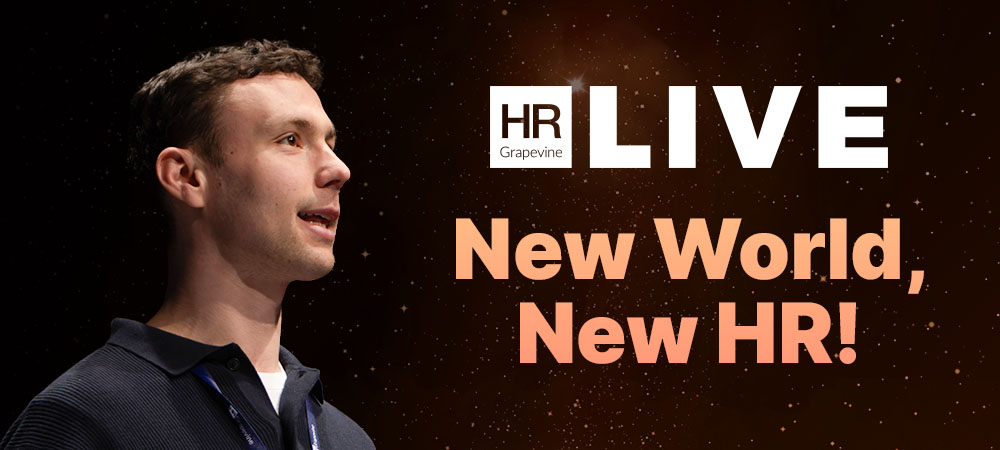
On 26 March, the UK's top HR professionals turned up en masse to attend HR Grapevine Live 2026. It was their chance to listen to and discuss the latest thinking from CHROs and people leaders at the top of their game.
Here are our highlights from the sessions, including key insights that were shared throughout the day...
How to ace employee wellbeing
The first of session of HR Grapevine Live – ‘wellbeing – the next competitive advantage of employers?' was run in partnership with Bright Horizons. The panel observed that HR professionals see people at their best of times, but also at their worst of times, and therefore must have the right help in place when staff need to access it.
A consistent message was that CPOs and HR teams mustn’t fall into the trap of thinking wellbeing is just about adding another new policy, or rolling out endless new initaitives. Instead, as one speaker pointed out, it is about how the organisation operates day-to-day and how work is actually designed. Wellbeing, they argued, has to be viewed as an outcomes-based strategy.
This means looking at the specific sources of pressure people have – i.e. things that actually drive poor health. A failure to do so can lead to HR earning a reputation for just adding more 'fluffy stuff,' rather than initiatives that are 'believed' by staff.
Crucially, any wellbeing policy won’t cut through, agreed panellists, if bosses continue to over-work staff, or aren’t prepared to have meaningful conversations about their at-work wellbeing.
Another speaker called on HR professionals to integrate wellbeing into the core values of the organisation. This does not need to be a costly exercise, they argued – it can be as simple as encouraging managers to talk openly, empowering and training them to know how to guide staff in the right direction.
Consistency also matters, with the panel pointing out the risk of policies or measures that only apply to certain groups or seniorities. But this must be juggled with support that can be tailored to employees at multi-generational life stages, and thinking beyond the obvious to ensure specific support is rolled out to staff who may be experiencing hidden or unique challenges.
Panel top tips
“Know your demographics. If there’s a range of wants, communicate what you’re actually offering, what staff will get from it, and where it can be accessed.”
“We run financial wellbeing Fridays. Financial wellbeing is an easy area to neglect. The people that need it are often the most likely not to ask for it.”
“We regularly ask people how they feel. In our staff surveys we make sure we ask questions that will actually lead to change.”
The future of skills, jobs, & talent
Run in partnership with G-P, this was easily one of the most eagerly attended sessions, and for obvious reasons.
‘Build, buy, borrow – and now ‘bot’ – is a phrase that has increasingly started to be used to described the strategies open to CPOs when it comes to workforce planning and skills development in response to AI. But which ones (or combination of ones) should they choose? And do they work? It was a lively discussion that really tried to get down to the nitty-gritty of these questions.
The panel set out the challenge facing many employers – a struggle to define exactly what 'capability' means, how to determine what skills their workforce already have, and whether that level of talent is sufficient for future goals.
Many of the speakers said their organisations were working through validating what skills are needed for certain roles, and what skills may be needed to do those roles in the future. Notably, there was a shared agreement that while AI can certainly assist, it should not be allowed to take over too much of that process.
While the panel admitted skills are something they are still having difficulty determining, all were agreed on one thing – that change, and the rampant development of AI, will at least force one positive thing: more talent conversations.
Panel top tips
“What we need to be doing better is assessing the skills needed to deliver the things the business needs. Talent reviews are now needed more than ever, and to predict the direction the organisation is going.”
“I see buying as being needed for when organisations have critical roles that need filling. Building, meanwhile, is when there’s time to build for the longer term.”
“When it comes to ‘bot’ I think now is the time when – more than ever – HR needs to understand what career pathways will start to look like.”
“Notions that we’re seeing the end of jobs is nonsense. It’s click-bait.”
“We all need to accept that the landscape of work will change. It’s up to us to decide how work will continue to exist. People need jobs, and the sense of purpose that they provide. Organisations need to take a responsible approach.”