UK
UK  United States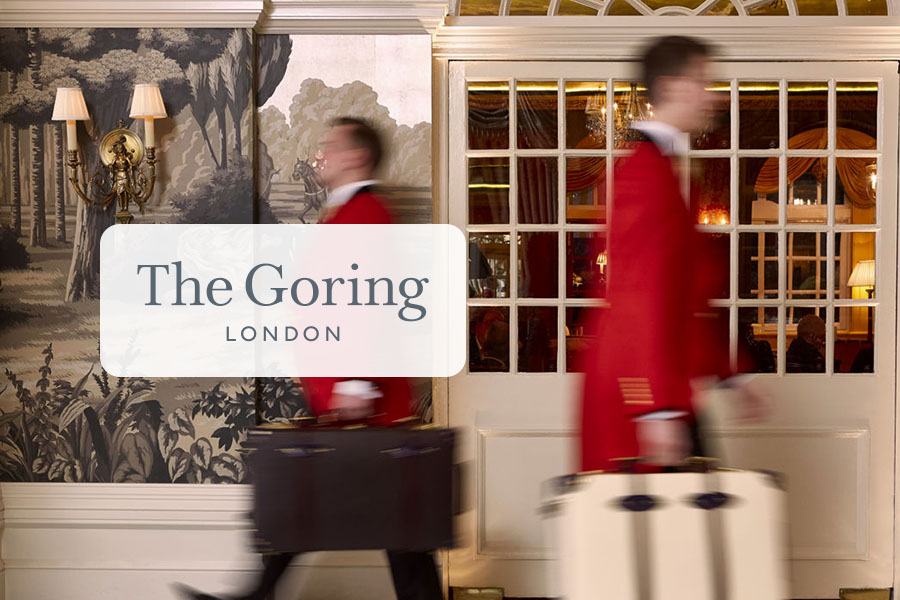
The Goring Hotel in London, renowned for its fine food and exemplary service since 1910, has a new accolade. It was recently named the overall winner and a top hospitality workplace in WorkL's 'world’s happiest workplaces.' So, what's its secret to keeping both staff and guests happy? Sophie Ford, Human Resources Manager reveals all to HR Grapevine.
What are the key elements that make the Goring Hotel such a happy place to work?

Sophie Ford
Human Resources Manager, The Goring Hotel
The Goring is often described as a happy place to work because of a combination of culture, leadership and family values. The hotel places a strong emphasis on respect, loyalty and long-term relationships. The team feel known and valued as individuals rather than numbers. There is a clear focus on work-life balance, mental wellbeing and fair treatment. High standards are expected, but they are balanced with kindness and support. Our team take pride in delivering exceptional service.
And are encouraged to grow their skills and progress internally. Training is structured, meaningful and linked to real career opportunities. Good work is regularly acknowledged both formally and informally, helping our team feel motivated and valued. This is done through a 'licence to thrill' initiative. There is a sense of 'one team' across departments. People support each other, which reduces stress and increases fun at work.
How has the hotel improved job satisfaction via clear communication and empowerment?
Job satisfaction has improved through clear, transparent communication and a culture of trust. Expectations and priorities are consistently communicated, ensuring the team feel heard. We regularly carry out town hall meetings led by our managing director and leadership team; whereby open communication and participation is encouraged. Our team are empowered to use their judgement in delivering exceptional guest service, which builds confidence, pride, and a strong sense of ownership in their work.
We carry out informal coffee chats with all team members regularly, whereby they have the opportunity to discuss their development and the day-to-day operations. In addition to day-to-day jobs, we have weekly departmental meetings, which has allowed our team to speak with confidence. We introduced a concept called 'The Big Idea', where groups from all different departments collaborated and came up with ideas they wanted to see implemented throughout the hotel. Around 80% of these ideas were put into place.
Good work is regularly acknowledged both formally and informally, helping our team feel motivated and valued. This is done through a 'licence to thrill' initiative