UK
UK  United States

Across the UK and beyond, workplaces are seeing a significant rise in the number of adults being diagnosed with ADHD and autism. Once mistakenly assumed to affect only children, particularly young boys, these neurodevelopmental conditions are now better recognised across genders, ages, and backgrounds.
With improved awareness, many adults are identifying long-standing traits in themselves that may have gone unnoticed for years. As a result, more employees are feeling confident enough to disclose their experiences and seek support at work.
For HR leaders, this shift represents both a responsibility and an opportunity: to ensure workplaces are truly inclusive, legally compliant, and equipped to help every employee thrive as an individual - regardless of diagnosis. Forward-thinking HR teams can use this moment to rethink systems, strengthen leadership awareness, remove practical barriers, and create environments where neurodivergent employees can succeed on their own terms.

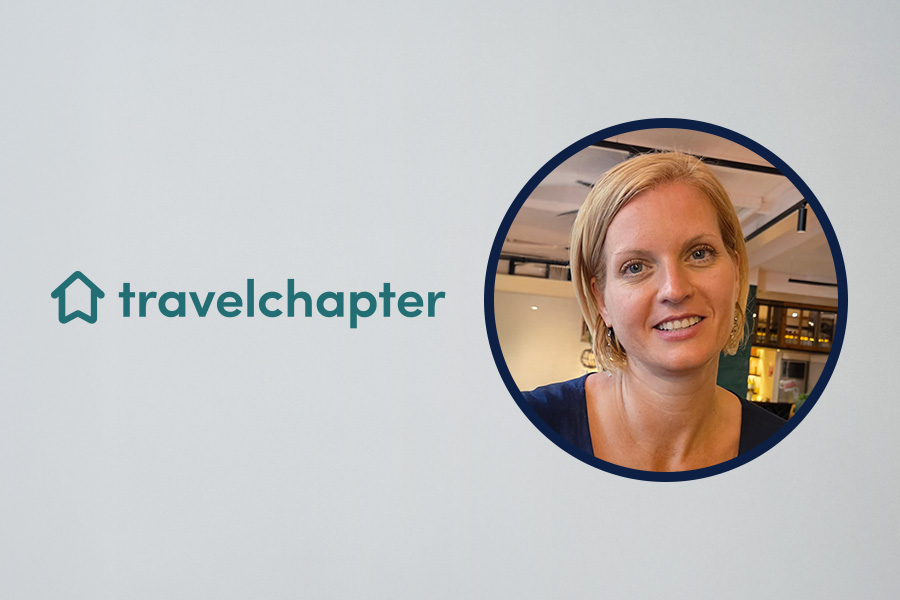
Leanne Maskell
Founder, ADHD Works
How a person thinks directly affects how they show up in every area of life, including work. While employers are not medical experts, they are unavoidably involved. This is reflected in the sharp rise in employment tribunal cases involving invisible disabilities, which increased by around 30% in a single year - a clear signal that organisations must catch up to understand and support neurodivergent staff.
Leanne Maskell, a National Specialist Coach of the Year and founder of ADHD coaching company, ADHD Works, and best-selling author of AuDHD: Blooming Differently and ADHD Works at Work talked to HR Grapevine about the issues.
Building organisational awareness and reducing stigma
“For many adults receiving a diagnosis later in life, sharing this with an employer can feel daunting. They may worry about being stigmatised, judged and unfairly impacted as a result of disclosing their differences. HR’s first task is to create an environment where disclosure is safe, respected and genuinely beneficial for both the employee and employer,” says Maskell.
Having a neurodiversity policy in place can be extremely beneficial in setting standards of how disclosures should be handled. Maskell believes that for it to be effective, it must be truly embedded in the culture, not simply a document on an intranet.