UK
UK  United States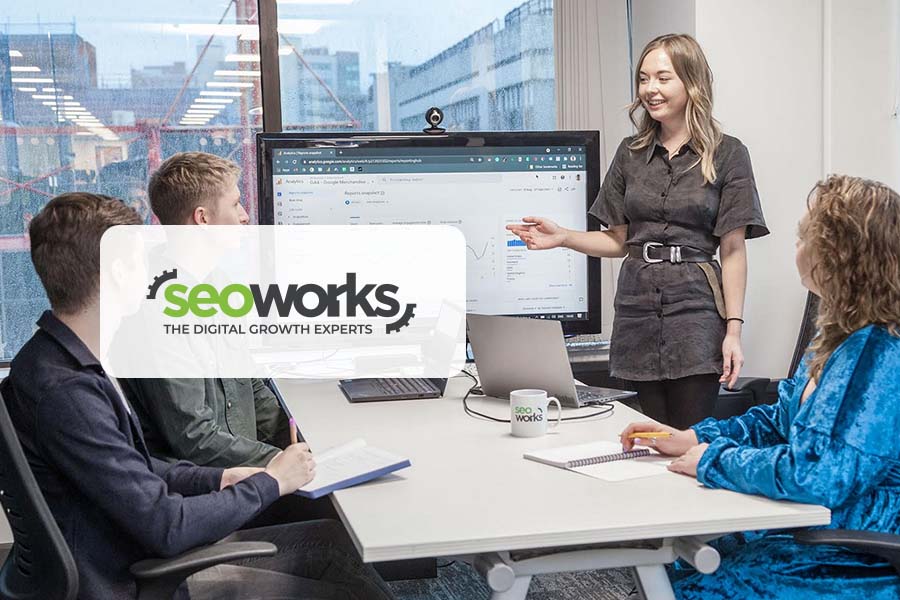
Higher staff engagement; higher earnings relative to their peers; higher customer satisfaction; and higher profitability (by up to 12%). When it comes to the benefits of employee ownership – that is firms owned by the actual staff who work there (most famously John Lewis) – the facts largely speak for themselves.
Perhaps that’s why after a few years of just bubbling along, the number of businesses that have become employee owned (EO) has grown by more than 250% since the pandemic alone. Between 2020-2022, the number of employee-owned businesses more than doubled in size to more than 1,000, with a total of 332 new employee-owned businesses added in 2022 alone.
Ben Foster
CEO, The SEO Works

Although there a number of different models that can be used, one of the most popular is the employee owned trusts (EOTs) route – where a trust (run by a board of trustees, including those from the business, but also independent outsiders), is created which takes formal ownership of the company.
The trust ensures the business is well led, and often has a dedicated employee-council. In establishing the trust, ‘shares’ are created that are typically distributed based on tenure or seniority. These form the basis of an employees’ level of ownership and it means that in profitable years, ‘bonuses’ are typically paid to staff to reward them for their hard work. It’s a type of incentive that data shows positively impacts retention, as people can see the fruits of their labour far more directly. Around 75 employee owned trusts (EOTs) were created in 2024 alone, compared to less than five in 2012. And one of the latest ones to join this list (as of June 2025), is digital SEO agency, The SEO Works.
Protecting its culture
Founded in 2009, the award-winning Sheffield-based business is now 200 staff strong, and since its original founders decided to take a step back in 2023, the business has been run by CEO, Ben Foster.
“Over the last few years the founders had been keen to start looking at ways to realise the value of the business they’d created,” he explains. “But at the same time, they also wanted to protect our culture, and not see it eroded – which would most likely happen if it got sold and absorbed into a larger agency.”
He continues: “That’s when the idea of transferring to an employee owned model started to make sense – because the founders would secure their ‘exit’ but the business would be protected from a trade sale.”
The idea of transferring to an employee owned model started to make sense. The founders would secure their ‘exit’ but the business would be protected from a trade sale
The process of transferring the business to an EOT started in earnest last year, and the structure that now exists is that 100% of the ‘shares’ are owned by a trust, looked after by an independent trustee board, of which there are currently two employees on it. The board will present quarterly to the trust, to report on performance, and to hear and listen to feedback.
“No hard decisions have yet been made on how the shares will be divided, nor about making bonus payments [no full year has obviously occurred yet),” says Foster. “The main thing was the get the structure in place.”
What has been established however, is that employees will need to have been with the business for a year before they’ll be eligible for shares [good for attraction and retention, Foster says].
But what is a little different from usual, is that even if the business does get sold in the future (there are no plans to), any employee who left the business within two years of any sale date will still be eligible for a payout, based on what their level of ownership was.