UK
UK  United States
As all CPOs will know from experience, employee expectations seldom stay still.
The direction of travel is only ever forwards – and the demand this places on the HR function to keep up can feel unrelenting. So imagine what the expectations are staff that work for one of the world’s largest recruitment organisations – a company who’s own external mission is to ‘get the right job for everyone’.
Is this a promise it can also live up to internally?
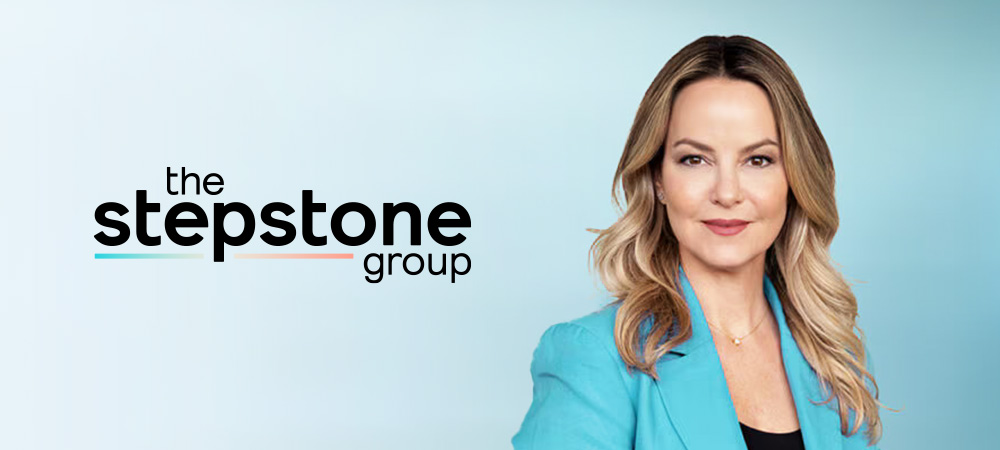
The woman with the unenviable task to meet this challenge is Natalie Matalon, chief people officer at The Stepstone Group – the over-arching group behind some of the world’s biggest jobsites – including TotalJobs, Stepstone, Irish Jobs (one of the most visited job sites in the Republic of Ireland), as well niche career sites including caterer.com and Hotelcareer.
But for this CPO – who is more commonly found commenting on Stepstone’s own industry style research reports [such as its regular Hiring Trends Index reports or Salary Reports], it’s a task she more than relishes.
“It’s so interesting for me to see how the surveying we do to comment on market trends broadly is also reflected in our own businesses too,” she remarks, clearly enjoying the opportunity to talk about HR in more depth. Not so long ago she was phoned up out of the blue by Cosmopolitan magazine, who wanted a quote from her on so-called ‘Lazy-Girl’ jobs – an experience she says is now part of the territory of her being an HR commentator. “I took offence at this tagline immediately!” she says with a resigned expression. “We report findings – such as around multi-generational workplaces,” she says, “but it’s fascinating to see this actually play out in our own business. I know we have employees that are driven by significantly different motivations – and managing this is seldom straightforward.” She continues: “Young people here crave personal development, but they also want to effectively be digital nomads, meaning I’m always kept on my toes.”
No right or wrong answers
But what’s interesting in speaking to her, is that while she acknowledges that HR always has to find solutions to new problems, she’s also very pragmatic about whether something is deemed ‘right’ or ‘wrong’.
She says: “When organisations are seeking a narrative, it might be easy to read the news and see what others are doing to influence their take on things. But really, I’ve long-learned that there is no clear stance. Nothing, it seems, feels like it’s a given in HR anymore.”
For someone who previously oversaw global talent intelligence at Google for four years, and was also Capital One’s Senior Director of Talent Acquisition, her simple-sounding conclusion that there are “no right answers” around how to manage talent might appear slightly non-committal. But the more one speaks to Matalon, the more this actually makes sense.
No matter how many reports you read, or how much research findings you go through, there is no conclusive answer out there about what’s best
“What I think my career has taught me,” she explains, “is that there really are no right answers; but what you do really have to do is pick your plan, and then be very driven about applying it.” She continues: “After Covid-19, for instance, we decided that we wanted people to be working in the office three days a week right from the get-go – long before debate about RTOs was even a ‘thing’. And while we might have tinkered with it a bit around the margins – such the days we expect from those new to the business and onboarding with us – it’s essentially the same today. We haven’t been on a journey of making announcements, then rolling back.”