Share this article:

‘Human error’ | Why Wimbledon's AI line-call drama shows staff need help with digital transition

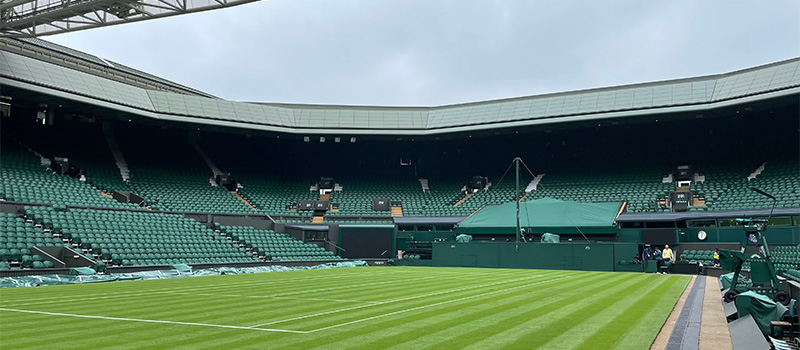
Wimbledon Centre Court empty stadium

In October 2024, the All England Lawn Tennis Club (AELTC) drew nearly 150 years of history to a close with the announcement that traditional line judges would be replaced by an electronic line-calling system for the 2025 championships.

The writing had been on the wall for a while. Similar systems were already in place other Grand Slam tournaments, including the US Open and Australian Open.

In a statement announcing the news, Sally Bolton, Chief Executive of the AELTC, said that while the club recognised its “responsibility to balance tradition and innovation at Wimbledon,” the time was right to “take this important step in seeking maximum accuracy in our officiating.”

Understandable, given the stakes involved. Just one incorrect decision could unfairly cost a player a match-changing point, a career-defining match, or life-altering prize money.

Subscribe now to myGrapevine+ and get access to our comprehensive knowledge portal.


Already a subscriber?Sign in

Welcome Back

Sign up to our daily newsletter

Have content like this delivered directly to your inbox.


Recommended

HR Grapevine
HR Grapevine | Executive Grapevine International Ltd
  • News
  • 4 mins read

Capital gains | London workers are outpacing the rest of UK on AI skills

HR Grapevine
HR Grapevine | Executive Grapevine International Ltd
  • Feature
  • 6 mins read

‘Be inspired’ | How HSBC is 'paving the way' with epilepsy training for staff

HR Grapevine
HR Grapevine | Executive Grapevine International Ltd
  • Podcast
  • 2 mins read

Podcast | What should learning 'feel like' for employees?

HR Grapevine
HR Grapevine | Executive Grapevine International Ltd
  • Webinar

Skills & Capabilities Mapping: Ensuring L&D Impact in 2026

HR Grapevine
HR Grapevine | Executive Grapevine International Ltd
  • Resource
  • Download Whitepaper

TikTok Style Learning: How Culture, Technology & Gen Z Are Reshaping L&D