 UK
UK  United States

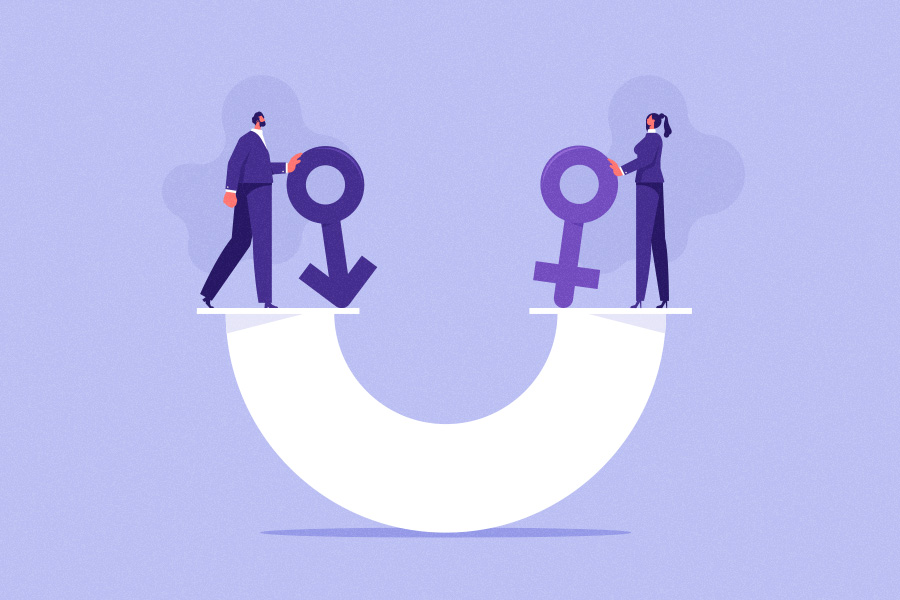
This year, Equal Pay Day in the UK falls on 20th November 2024, two days earlier than in 2023. The day, led by the Fawcett Society, highlights the moment when women effectively stop being paid compared to men due to the gender pay gap. Alarmingly, the gap has widened for the first time since 2013, with the mean full-time hourly gender pay gap rising to 11.3%, up from 10.4% last year.
Jemima Olchawski, Chief Executive of the Fawcett Society, described the situation as a stark reminder of the challenges women face in the workplace. “It’s incredibly alarming to see the mean gender pay gap widen in 2024 and shows that without concerted effort most women won’t see equal pay in our working lifetime. Today’s data confirms that the Gender Pay Gap increases with age as women take on more and more unpaid care work for children and older people.”
