UK
UK  United States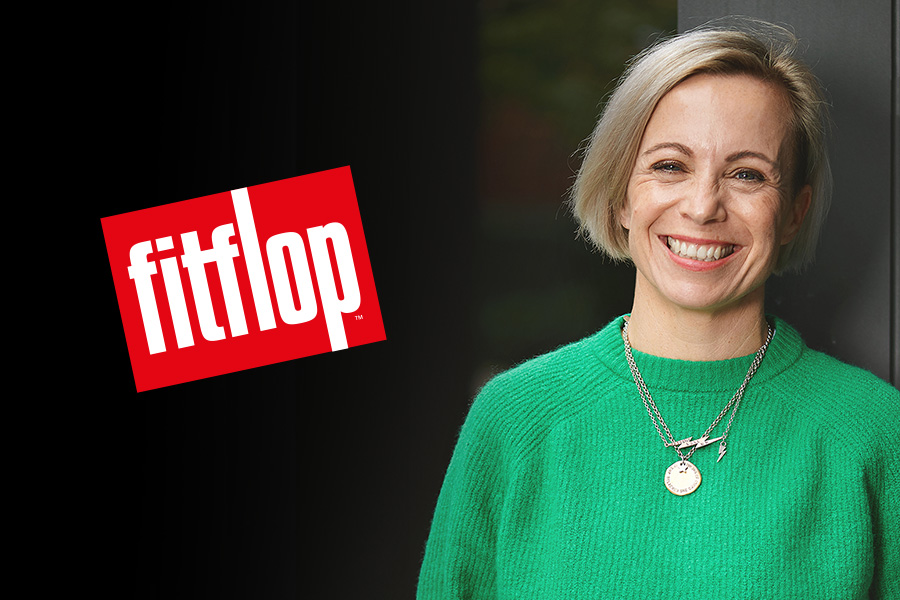
FitFlop | Kathy Allison, Chief People Officer
In this interview, she sits down with HR Grapevine to talk about establishing yourself as a people-centric...

Moving from corporate to academia posed exciting challenges and a chance to see HR working in one of the most esteemed Universities in the world for Markos Koumaditis, CHRO of Oxford University.
Among the dreaming spires and tourist groups, Oxford University is a business – one which counts a wide international swathe of clients with high expectations. And with those expectations come demands on the staff and HR policies, too. Add in the workings of academia as an industry at a place of work believed to be founded as long ago as 1096 and you’ve got a recipe for a very interesting job. But what of the future for this world-renowned institution? CHRO Markos Koumaditis tells HR Grapevine about his role and plans for the University's HR goals.
It wasn't planned - I studied history and aimed to be an academic. However, I was very interested in social history, and naturally drawn to roles that were collaborative and people-focused, where I could use empathy and life experiences to create positive effects. HR’s certainly not for everyone, but I am very comfortable in this space.
In a nutshell, wonderfully surprising! Oxford is different from most universities because of the collegiate system and its devolved structure. This can actually be a great experience; devolved structures might be seen as a barrier, but I think it can be really rewarding to navigate. A word I use all the time is ‘collaboration’, as a lot of what I do is about bringing people together to have conversations that resolve things – it’s never about simply telling others what to do.
It was such a privilege to work there, and I am so lucky to have had that experience. It was a wonderful place to work, and more diverse than people think. The great variety of professions within that space was certainly unexpected. Compared to my previous roles, I learned to be extremely resilient and diplomatic at all times. I felt a sense of pride that my work contributed to the bigger picture that mattered to so many people.
Your career is a marathon, not a sprint — be careful not to burn out and take risks to feel fulfilled. We’re all learning all the time
To an extent, but coming from another historical environment I could appreciate how history and tradition has determined and influenced the shaping of our governance structures. There are certainly areas that we need to address but, on the other hand, I want to work together with the wider community to ensure that we are changing together. It doesn't matter where you are, we are all part of Oxford University, and when things happen, they affect all of us.
Largely, culture and pace of delivery. Not all universities are the same but, in general, decisions are taking longer to make, consult, implement and review. At the same time, universities are humane organisations and people tend to stay longer than the corporate sector which provides a different set of challenges for respective HR teams. The challenges of inclusion and wellbeing are universal, though.