 UK
UK  United States
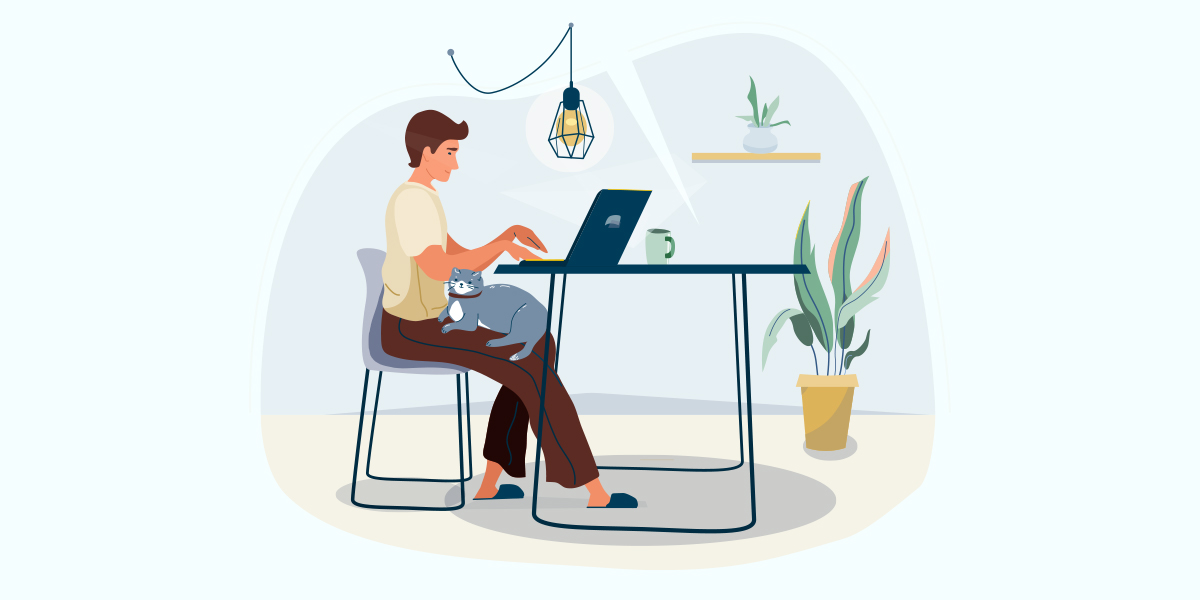

Working 9 to 5, commuting daily either by train or car, attending face-to-face meetings and enjoying lunches with colleagues were all considered a part of normal working life this time last year. However, fast forward to March 2020 and the way of working is now something differently entirely.
Working from dining room tables, kitchen worktops and even beds with a laptop have now become the norm, while Zoom calls, home-schooling and a walk around the block instead of an hour-long commute are now elements that every employee considers a normal part of working life.
Sign up to our daily newsletter
Have content like this delivered directly to your inbox.
