 UK
UK  United States
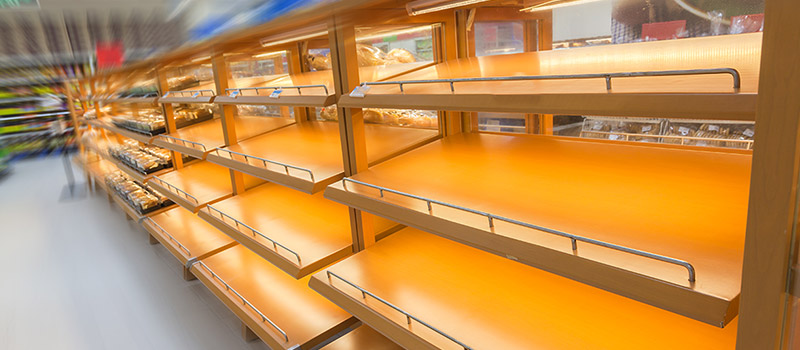
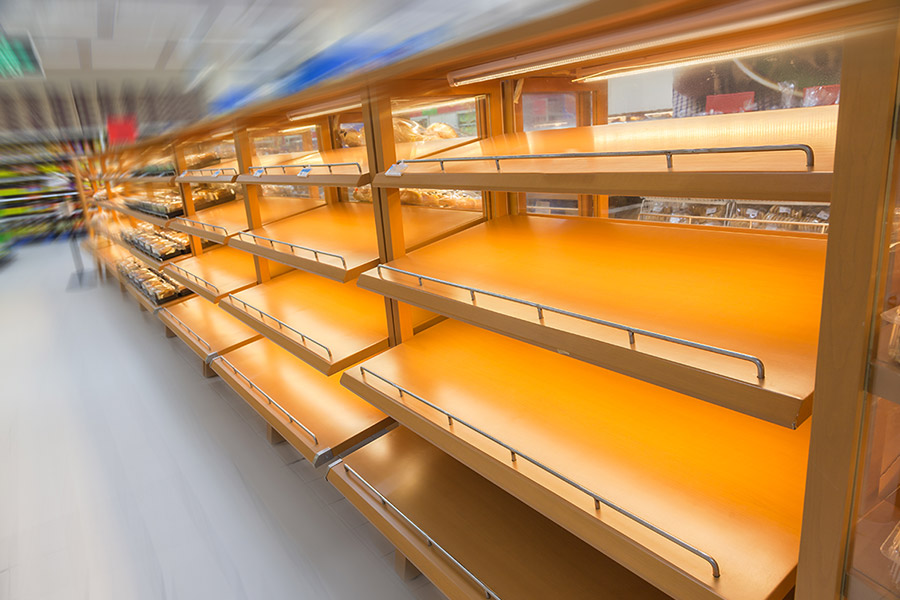
One of the most dramatic public reactions to the news that the coronavirus had progressed onto UK shores was the unprecedented amount of panic buying that hit the nation’s supply chain. In a matter of hours, chain supermarkets such as Sainsbury's Asda and Tesco sold out of essentials like toilet roll, fresh food, disinfectant, soap and dried pasta.
The reaction was a guttural one; people were unaware how the country was to be affected in the long-term and justified their actions by believing that they were ensuring the safety and security of their own households – yet as reports came to evidence, the panic buying was unfounded, and left those in need with no way of purchasing the supplies they needed to survive.
The mass hysteria that caused the issue, according to Clinical Psychologist Steven Taylor, was largely proliferated by the swift-moving channels of social media. He recently told The Guardian: “Inevitably, someone posts dramatic photographs of panic buying. This amplifies the sense of scarcity and perceived urgency, which leads to further panic buying.”
However, as the days of uncertainty have turned to weeks and the general public has leaned into what is for the immediate future a ‘new normal’, such drastic measures have decreased, and many sources are now stating that the phase of panic buying within the UK is over. But what effect does it leave on business?
