For those who haven’t witnessed the media frenzy over Netflix’s original series Tidying Up with Marie Kondo, it revolves around the titular star Kondo’s methodology for a simpler and cleaner lifestyle, known as Konmari.
Essentially, Kondo arrives at a messy person’s house and cleans it with them. In the interim, she also teaches them to overcome their own demons and recover from some kind of trauma – often the loss of a loved one, a hoarding compulsion or relationship strains and leaves them happy and contented in their zen-like state of cleanliness and organisation.
Yes, it can appear a tad formulaic and no doubt the cursory influence of Kondo makes very little impact on their overall lives, but what she preaches has a grounding in some truly aspirational logic. Essentially, the cleaner and tidier your environment, the clearer your thoughts. Yes, it’s not very scientific, but this ethos is true for at least the majority of people.
Netflix | What can HR learn from Marie Kondo?
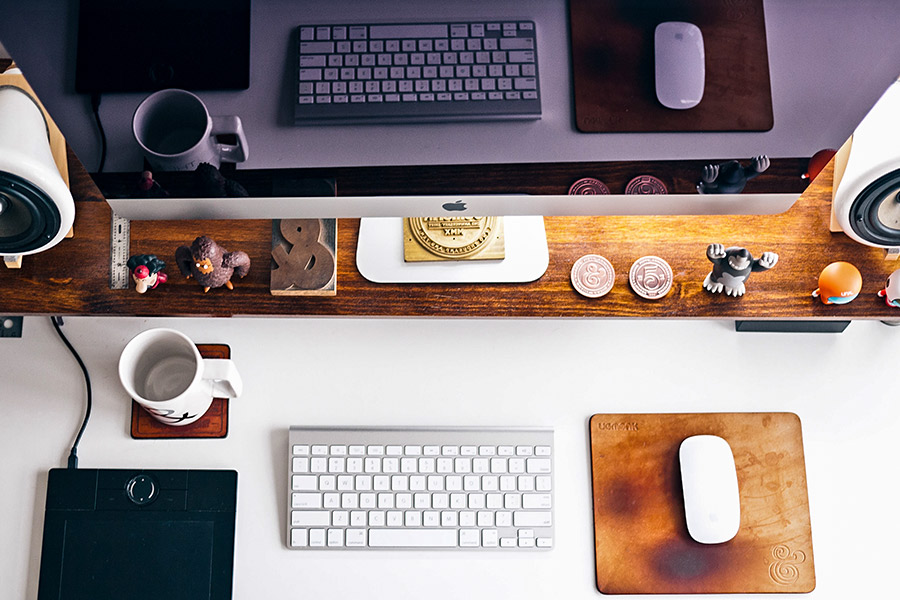
And it’s not just our bedroom and kitchen drawers that could do with a good Kondo-ing; you spend the majority of your waking hours from Monday to Friday in the office. As a result, our working spaces have a tendency to vary from messy, to literally uninhabitable. Much like an over-packed wardrobe, the desk often becomes a dumping ground for trinkets, useless objects and redundant papers.
UK
United States