USA
USA  United Kingdom
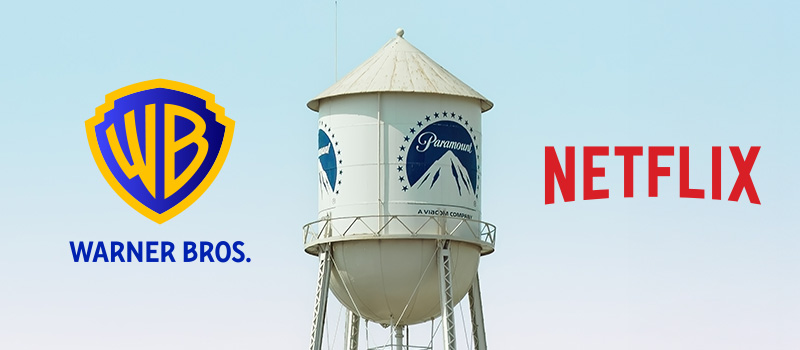
Paramount has reignited the battle for Warner Bros Discovery with a hostile $108.4billion proposal that challenges Netflix’s earlier agreement, prolonging the bidding saga, and creating further uncertainty for employees.
The new offer arrived just days after Netflix secured a $72billion equity arrangement for Warner Bros Discovery’s TV, film, and streaming operations, but the fresh challenge guarantees no quick resolution for employees awaiting clarity on their future.
Warner Bros Discovery’s board said it would examine the latest offer, though it did not revise its existing endorsement of Netflix’s plan. The board advised stakeholders to take no immediate action on Paramount’s approach, a signal that internal deliberations are far from settled.
Paramount valued its $30-per-share cash offer as superior, pointing to an additional $18 billion in cash and what it described as a smoother regulatory process. The company said combining the studios would serve the interests of the creative community and consumers.
“We believe our offer will create a stronger Hollywood,” CEO David Ellison said. He added that the proposal provided “higher headline value, increased certainty in that value, greater regulatory certainty, and a pro-Hollywood, pro-consumer and pro-competition future.”
Regulators, lawmakers and investors raise concerns
Paramount’s bid carries its own regulatory tensions. Lawmakers have already questioned the implications of joining two large TV operators. Some Democratic senators warned that the merger could leave “one company controlling almost everything Americans watch on TV,” and analysts noted the combined entity would exceed the current market share of Disney.
Financing details added another layer of scrutiny. Paramount said $40.7billion in equity capital would be backstopped by the Ellison family and private equity firm RedBird Capital, with additional support from Affinity Partners, the Saudi and Qatari sovereign wealth funds, and L’imad Holding Co. Senator Elizabeth Warren described the proposal as “a five-alarm antitrust fire” and raised concerns about “influence-peddling, political favoritism, and national security risks.”
Netflix co-CEO Ted Sarandos said the hostile bid was “entirely expected” during a UBS conference and dismissed suggestions that Netflix planned job cuts. “Where do you think synergies come from? Cutting jobs? So we’re not cutting jobs. We’re making jobs,” he said.
Why HR still struggles to reach Deskless Employees
Frontline employees often have the greatest need for HR support—but the least access to it. The reason is simple: most HR systems were designed for desk-based employees.
If you're investing in HR digital transformation, it's essential to ensure that every employee—whether office-based, hybrid, or deskless—has equal access to HR services, information, and support.
This guide explores the key considerations for building a consistent, accessible, and connected HR service experience for your entire workforce.
You'll learn how to:
✅ Deliver consistent HR support across every location
✅ Reduce repetitive HR requests
✅ Improve self-service adoption
✅ Connect email, mobile, AI and employee portals
✅ Create a better employee experience for frontline workers
A prolonged battle ahead
Investors reacted quickly, with Paramount shares rising 7.3% and Warner Bros Discovery gaining 5.3%. Netflix shares fell 4%. Analysts signaled that the situation may stretch on, with one noting that the acquisition “is far from over” and predicting that Paramount would press its case with shareholders, regulators, and political leaders.
Paramount said that over 12 weeks it submitted six proposals and argued Warner Bros never engaged meaningfully. The company also questioned the fairness of the process, pointing to reports that Warner Bros leadership viewed the Netflix arrangement as a “slam dunk.” Ellison later said there was an “inherent bias” in the bidding.
Employees across both companies now face a drawn-out decision-making period, as rival executives battle for control of one of the entertainment industry’s most significant assets.