USA
USA  United Kingdom
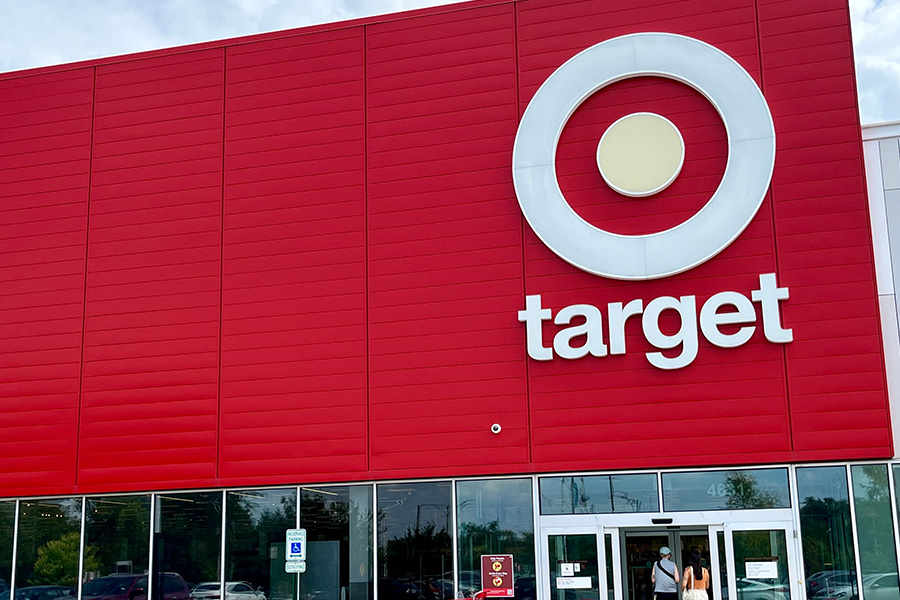
Target is rolling out a new customer-facing behavioral program for store employees as part of an effort to improve CX and counter recent sales declines.
The Minneapolis-based retailer has introduced a customer interaction policy internally referred to as the “10-4 program,” which outlines how staff should acknowledge shoppers as they move through stores.
Under the guidance, employees are encouraged to smile, make eye contact or wave when a shopper is within 10 feet. If a customer moves closer, within four feet, staff are asked to greet them verbally or offer assistance. While Target has historically promoted friendly service, the new approach provides specific instructions on what engagement should look like.
1,000 jobs | Kroger axes corporate roles in latest overhaul
Incoming CEO Michael Fiddelke has identified store experience as a priority area, particularly heading into the holiday season. The company confirmed that it is seeking to make stores feel more welcoming at a time when shoppers are increasingly selective about where and how they spend.
Chief Stores Officer Adrienne Costanzo said the retailer is looking to emphasize human connection. “Heading into the holiday, we’re making adjustments and implementing new ways to increase connection during the most important time of the year,” she said.
Customer interaction linked to key metrics
According to the company, internal data indicates that customer satisfaction improves when shoppers are acknowledged by employees. The move aligns Target with other major retailers that have created standardized greeting rules. Walmart, for example, has long operated its own 10-foot engagement guideline. Retailers want to strike a balance between being welcoming and avoiding interactions that feel intrusive.
Consumer behavior has shifted following fluctuations in prices. While Target saw record highs during the pandemic, demand has eased as customers now prioritize essentials and buy based on price. At the same time, competitors such as Walmart have invested in remodeled stores, fashion offerings and promotions.
Why HR still struggles to reach Deskless Employees
Frontline employees often have the greatest need for HR support—but the least access to it. The reason is simple: most HR systems were designed for desk-based employees.
If you're investing in HR digital transformation, it's essential to ensure that every employee—whether office-based, hybrid, or deskless—has equal access to HR services, information, and support.
This guide explores the key considerations for building a consistent, accessible, and connected HR service experience for your entire workforce.
You'll learn how to:
✅ Deliver consistent HR support across every location
✅ Reduce repetitive HR requests
✅ Improve self-service adoption
✅ Connect email, mobile, AI and employee portals
✅ Create a better employee experience for frontline workers
Sales pressures and operational adjustments
Target shares have fallen more than 30% year-to-date, compared with a 14% rise for the S&P 500. The retailer has also faced public criticism on social platforms regarding inventory availability and checkout wait times. In response, the company has been focusing on improving in-stock levels and refreshing store environments.
In addition, some 1,800 corporate roles were cut recently as part of an effort to streamline operations and speed up decision-making. The company plans to report quarterly earnings later this month and will use the holiday period to test its new engagement tactics. Seasonal plans include in-store events and product demonstrations designed to draw traffic and create what the company hopes will be a more interactive atmosphere.