USA
USA  United Kingdom
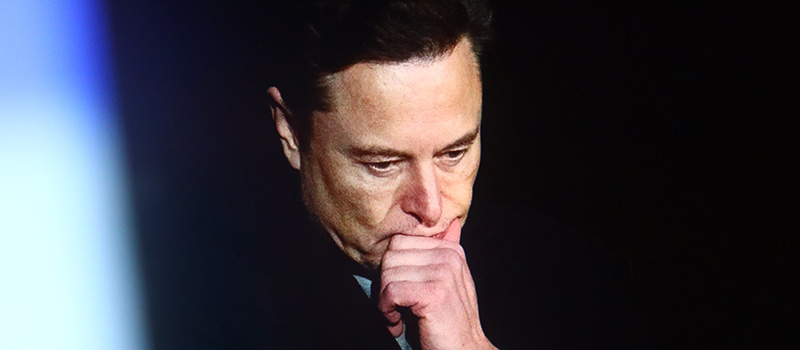
A proposed compensation package worth nearly $1 trillion for Tesla CEO Elon Musk hangs in the balance, with the company expected to announce the results of shareholder vote on Thursday.
While Tesla has advised shareholders to approve the plan - backed by a number of retail investors who typically vote with the CEO - there has been some opposition.
Earlier this week, Norway’s sovereign wealth fund said it will vote against a proposed $1tn performance-based pay award for Tesla chief executive Elon Musk, citing concerns over the overall scale of the package and the concentration of decision-making power around him.
The fund, managed by Norges Bank, is the world’s largest national investment vehicle and is one of Tesla’s biggest shareholders, holding a stake valued at about $17bn.
In a statement, the fund said it acknowledged the “significant value created under Mr Musk’s visionary role” but expressed reservations regarding “the total size of the award, dilution and lack of mitigation of key person risk.” It added that it intends to maintain “constructive dialogue” with the company.
Despite this opposition, there are growing suggestions the $1tn pay plan will be approved.
The vote will take place at Tesla’s annual shareholder meeting, where investors are asked to approve an incentive deal that could make Musk the world’s first trillionaire if the company’s value rises from roughly $1tn to $8.5tn over the next decade.
If approved, Musk’s ownership share could increase from nearly 16% to more than 25%, which would lift his personal wealth above $2tn.

Governance debate intensifies
Tesla chair Robyn Denholm has urged shareholders to support the award, arguing that retaining Musk is essential. In a letter to investors, she said the company risks losing “significant value” if Musk decides to step away from the business.
This is not the first time Norway’s fund has opposed Musk’s pay. Last year, it also voted against a $56bn award that was initially approved by shareholders but later rejected by a Delaware court.
Two influential shareholder advisory firms, Glass Lewis and ISS, have recommended investors vote down the new proposal. Several major pension funds, including the American Federation of Teachers and the California Public Employees’ Retirement System, have also voiced opposition. Musk, Tesla’s largest individual shareholder, will also be able to vote on the package.
Business context affecting the debate
The compensation vote comes at a time of uneven performance for Tesla. Global deliveries fell 13% in the first half of the year, partly due to production disruptions linked to the redesign of the Model Y. The company reported a 7% quarterly sales increase as US buyers moved to purchase electric vehicles before a $7,500 incentive expired in September. With those tax credits now ended, Tesla faces a potential slowdown in its home market.
Sales have also fallen in several European countries. Registrations declined 89% in Sweden, 86% in Denmark, 50% in Norway and 48% in the Netherlands in October. France reported modest growth. In China, shipments from Tesla’s Shanghai facility dropped about 10% year over year, according to the Chinese Passenger Car Association.
Furthermore, a study by the National Bureau of Economic Research and authored by Yale University economists, found Tesla’s US sales would have been between 67% and 83% higher - an estimated 1 million to 1.26 million additional vehicles - had it not been for what the researchers call the “Musk partisan effect.”
The report is the first to tie Tesla’s commercial decline directly to the billionaire’s political behavior, which includes his service in Trump’s administration and roughly $300 million in donations to Republican candidates.