USA
USA  United Kingdom
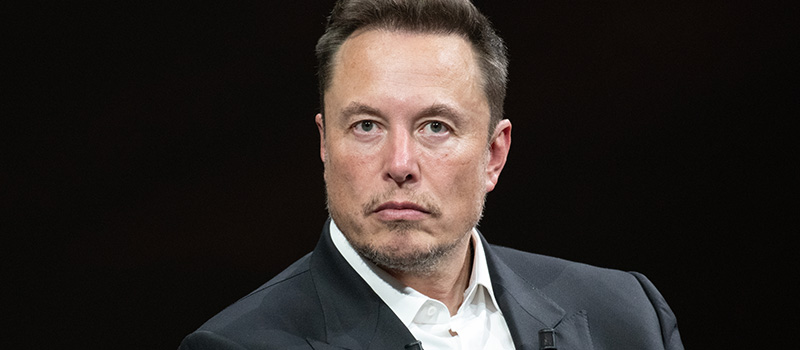
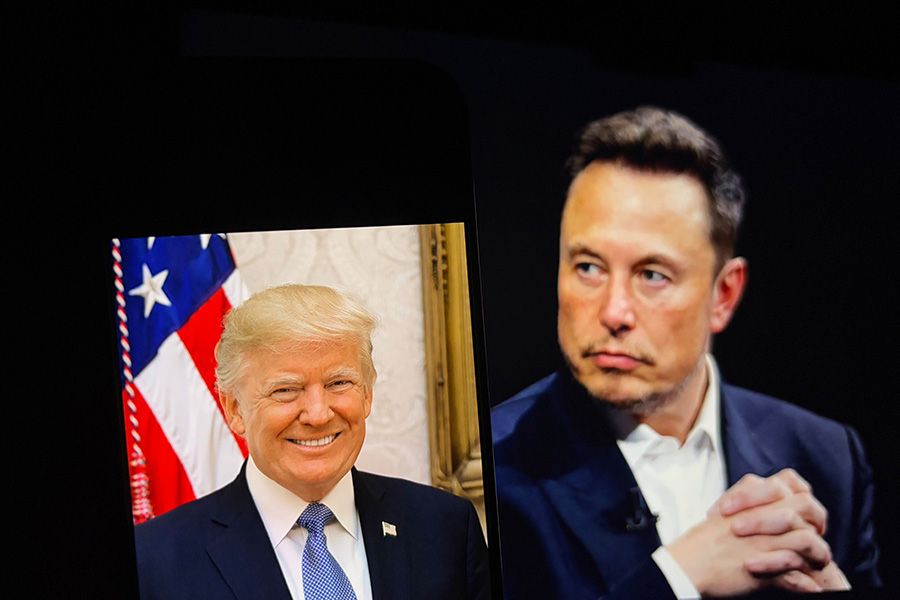
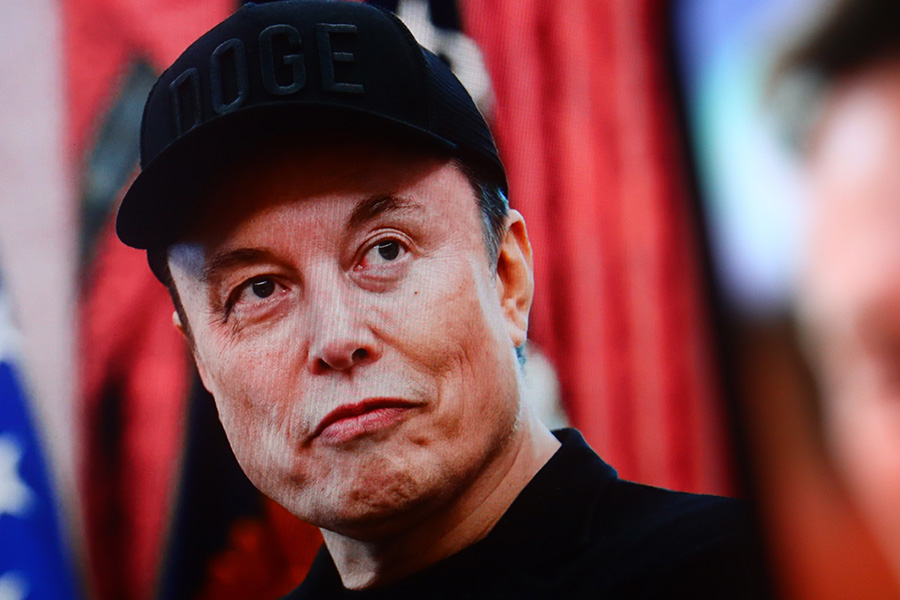
The danger of business leaders taking getting too involved in politics has been laid bare by new research into sales of Tesla vehicles, which says Elon Musk's activities within the Trump administration caused a significant sales slump.
Musk’s growing political interference has taken a measurable toll on Tesla’s sales performance, according to new research quantifying the impact of his actions since acquiring Twitter (now X) in 2022.
The study, published as a working paper by the National Bureau of Economic Research and authored by Yale University economists, found Tesla’s US sales would have been between 67% and 83% higher - an estimated 1 million to 1.26 million additional vehicles - had it not been for what the researchers call the “Musk partisan effect.”
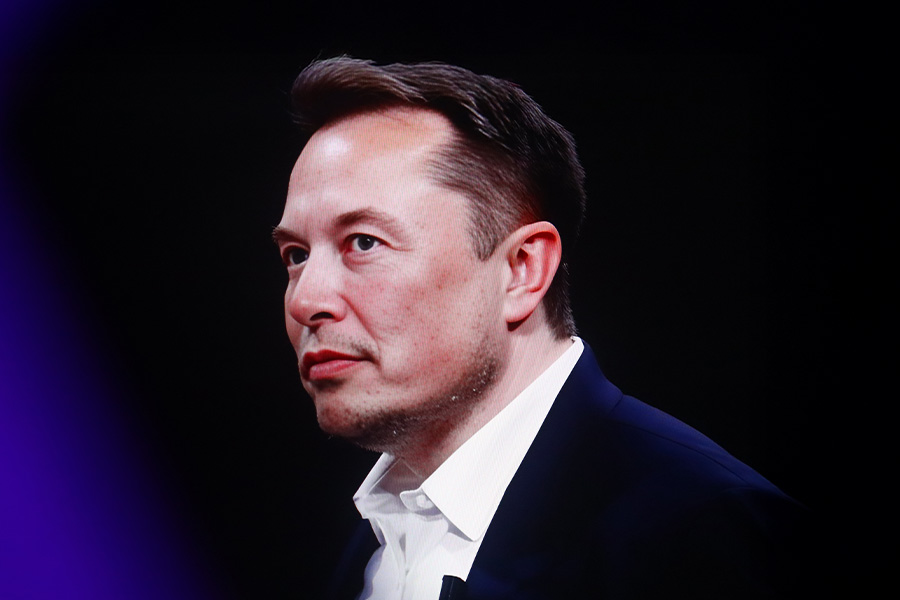
The report is the first to tie Tesla’s commercial decline directly to the billionaire’s political behavior, which includes his service in Trump’s administration and roughly $300 million in donations to Republican candidates.
Tesla did not immediately respond to a request for comment.
The “Musk partisan effect”
Researchers found that as Democratic-leaning consumers distanced themselves from Tesla, rival automakers saw a significant lift in their own electric and hybrid vehicle sales of between 17% and 22%.
Survey data cited in the report suggests Musk’s political alignment has alienated environmentally conscious Democratic buyers who once formed Tesla’s strongest base.
The fallout has been particularly visible in California, historically Tesla’s largest market but a Democrat stronghold. Vehicle registrations there fell 9.4% in the third quarter, dropping Tesla’s market share to 46.2%. The report concluded that the state would likely have achieved its 2026 zero-emissions vehicle goals “had it not been for the Musk partisan effect.”
The 2026 Employee Engagement Impact Report
Terryberry surveyed 1,000 full-time U.S. employees to understand how engagement programs affect retention, motivation, and performance—and what separates effective programs from those that fall short.
Our employee engagement survey report found:
- 91% of employees agree that their workplace engagement programs would be more effective if they were better connected.
- 70% of employees with well-connected workplace engagement programs say those programs have significantly influenced them to stay at their job.
- Remote employees are nearly 20% less likely than hybrid and in-office employees to say their organization’s engagement programs work well together.
- 59% of employees experience at least one obstacle to participating in workplace engagement programs.
The report breaks down key findings across industries and work environments, with practical takeaways to help HR leaders strengthen program participation and maximize the impact of their engagement initiatives.
Rebuilding perception
While the research points to a politically driven decline, sentiment toward Tesla has showed modest improvement as the company shifted focus toward emerging technologies such as self-driving vehicles, robotaxis, and humanoid robots.
Tesla board chair Robyn Denholm told CNBC that concerns about Musk’s time spent in government have “diminished,” adding that public perception was stabilizing.
As the billionaire’s political leanings continues to define public attitudes toward Tesla, researchers argue that its fortunes, and those of its competitors, remain closely tied to the actions of Musk.