USA
USA  United Kingdom
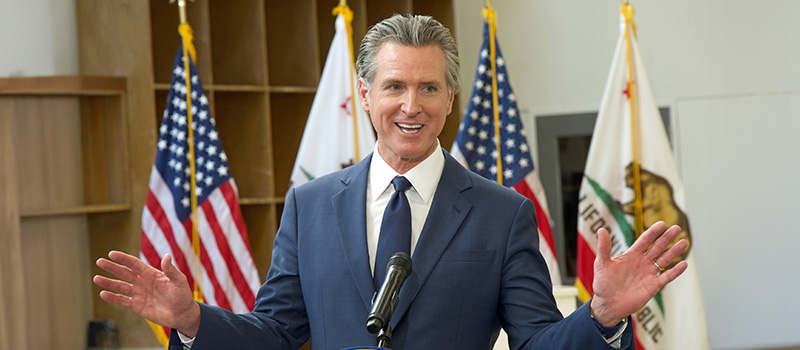
California Governor Gavin Newsom has approved Senate Bill 642, extending the statute of limitations for pay transparency claims to three years and introducing a six-year look-back period for existing violations.
The measure defines “pay scale” as a “good faith estimate” of expected salary or hourly wages upon hire. It also broadens the term “wages” to include all forms of compensation, from salaries and bonuses to stock, stock options, and benefits.
The legislation builds on California’s 2022 Equal Pay Act, which required employers with fifteen or more workers to include pay ranges in job postings and to provide pay scale details to employees upon request.
Under the revised law, a cause of action arises when an unlawful compensation decision is made, when an individual becomes subject to such a decision, or when they are affected by it. The law clarifies that employees can seek relief for up to six years where a violation continues to exist.
15% axed | Amazon plans sweeping HR job cuts as AI investment grows
SB 642 forms part of a broader set of employment bills passed by lawmakers this year and will take effect on January 1, 2026. Employers are being urged to review compensation structures and job-posting practices to ensure compliance ahead of the deadline.
Governor vetoes ‘No Robo Bosses Act’
In addition, Governor Newsom vetoed the “No Robo Bosses Act” (SB 7), a proposal that would have placed sweeping limits on employers’ use of artificial intelligence in managing staff.
The measure sought to prohibit companies from relying solely on automated systems for disciplinary or termination decisions and to restrict AI tools from predicting worker behavior or inferring protected traits such as religion. Employers could have faced civil penalties for breaches, enforced by the state labor commissioner and prosecutors.
The Governor said the bill failed to distinguish between high-risk algorithmic tools and routine business software, describing the measure as overbroad, duplicative, and potentially harmful to California businesses.
The veto leaves California without the first state-level restrictions on workplace AI, but the debate is expected to influence ongoing discussions among regulators nationwide about how such technology should be governed.