UK
UK  United States
- 01/04/2026
HR Grapevine


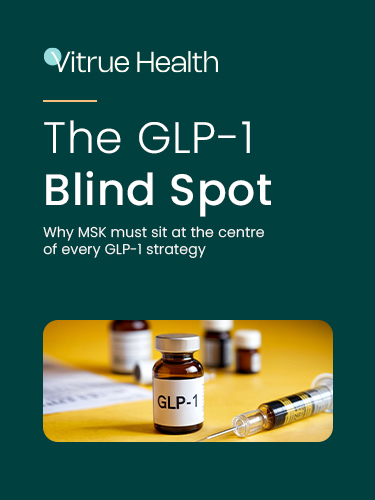
The GLP-1 blind spot: why MSK must sit at the centre of every GLP-1 strategy
Around 2.4 million people in the UK are now prescribed weight-loss medication, including semaglutide (Ozempic, Wegovy) and tirzepatide (Mounjaro), with fewer than one in ten prescriptions coming from the NHS.
Employers are responding, with 44% reviewing their healthcare strategy. In the US, weight-loss coverage is pushing annual pharmacy costs up by more than 20%.
For HR and reward leaders, though, cost is only half the question. A 2026 meta-analysis found that lean mass can account for 25 to 39% of the weight lost with these therapies, including around 35% with semaglutide. The medication supports weight loss - it does not automatically protect muscle, strength or long-term physical function, which is what decides whether results
hold.
With 47% of people discontinuing within the first year, and around two-thirds of lost weight regained within a year of stopping, every GLP-1 renewal conversation is also an MSK conversation.
What you will learn in this report:
Why GLP-1 spend is rising faster than benefits cycles can adapt, and how to get ahead.
What the evidence says about muscle loss, bone health and fracture risk.
Why GLP-1 strategy belongs with reward, not pharmacy alone.
Four practical changes to make before your next renewal.
At Vitrue Health, we empower businesses to cultivate healthier, more productive workplaces by addressing musculoskeletal (MSK) health challenges before they arise. By leveraging advanced AI and elite sport science principles, we proactively predict, prevent, and reduce issues before they occur, keeping teams healthy, productive and pain-free.
Eliminate pain and elevate health with Vitrue Health, so your teams can stay focused, energised, and performing at their best.