The coaching industry has grown at a remarkable rate over the past decade with people from an array of occupational backgrounds entering the profession. As a result, it has become essential to establish high standards of competence and professionalism in an industry that has few barriers to entry.
Thankfully, many coaches undertake training and qualifications to set themselves apart from untrained individuals who call themselves coaches. However, it seems that after the initial enthusiasm for training, many coaches are not taking their professional development seriously, with reports indicating that only 50% of coaches undertake coaching supervision post-qualification.1
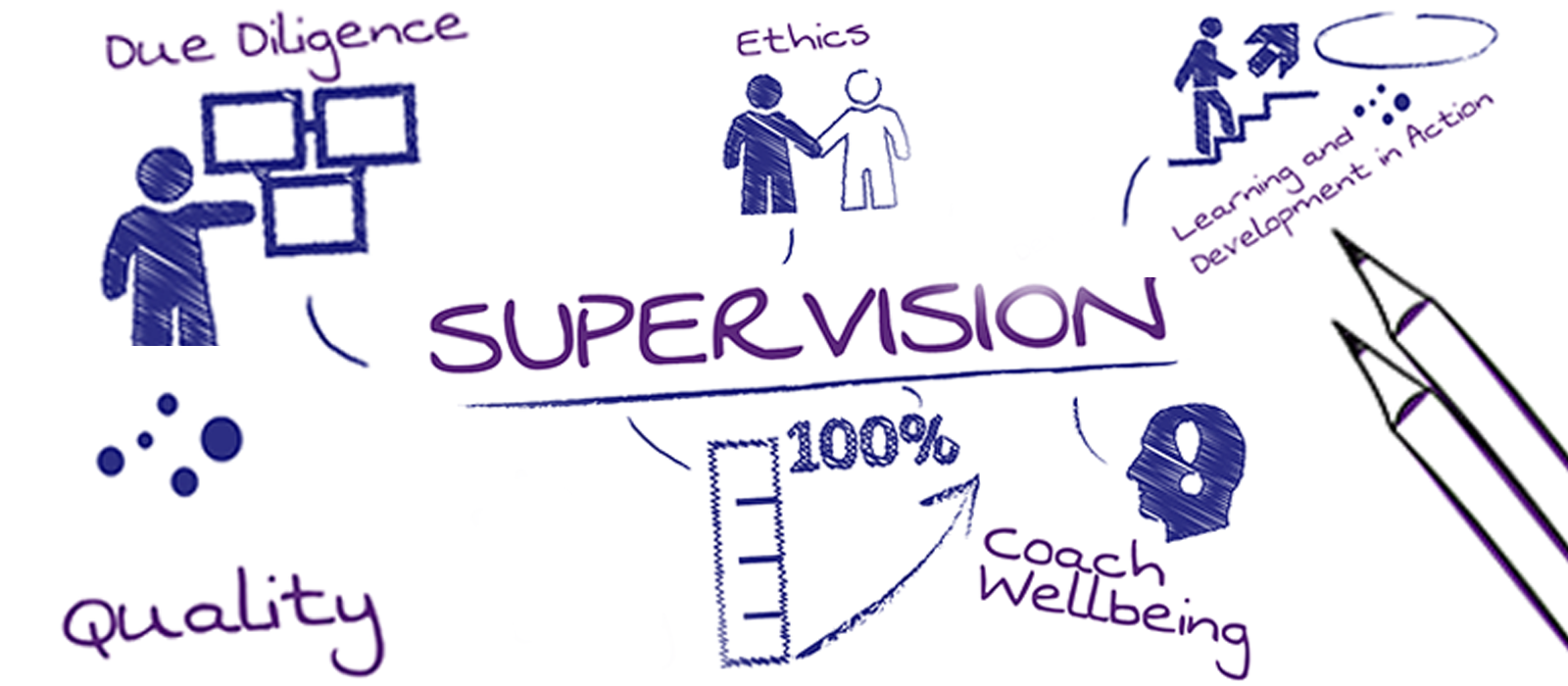
In any other profession, supervision would be viewed as essential to maintain, sustain, and evolve good practice, and failure to do so would have significant professional consequences. However, it seems that in the coaching field, there is an inconsistent and lack lustre approach to supervision. Shockingly, recent reports show that, as a method of self reflection for coaches, supervision came in fifth place behind private reflection, reading, research and peer networking.2 Whilst these other activities are all beneficial, they do little in terms of regulating the profession and safeguarding standards in the way that supervision does.
But this is not just an industry issue, organisations also need to understand the consequences of failing to provide adequate supervision for their internal coaches because without expert supervision, coaches run the risk of causing more harm than good which could bring themselves and the organisations they work for into disrepute.
Continue reading for FREE!
Sign up for a myGrapevine account to get:
- Unlimited access to News content
- The latest Features, Columns & Opinions
- A full range of specialist HR newsletters to choose from
UK
United States