Share this article:

How to get your jobs on page one of Google

How to get your jobs on page one of Google

...is both the subject line of millions of spam emails sent every day, and the zenith of online marketing. Page 1, position 1 is a far-flung dream for many, especially in digitally competitive industries. The benefits of occupying this position are huge- and it could dramatically increase traffic to your careers site. However, for recruiters, the dream of appearing in the top spot are increasingly becoming a reality thanks to Google’s Featured Snippets.

Featured Snippets

Featured Snippets are the way that Google displays the most relevant information for a query right at the top of its search results. Ask Google a simple, direct question and it will probably respond with exactly the answer you want. This is a Featured Snippet.
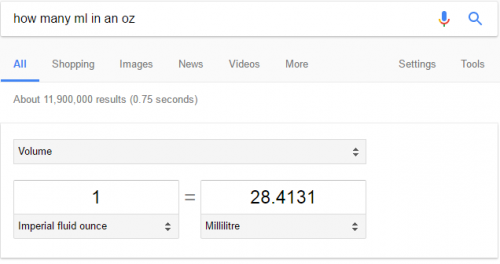
Since their launch in 2014, Featured Snippets have received a four-fold growth in usage, and they are increasingly used to display job vacancies (see screenshot below).

According to Hubspot a Featured Snippet could increase Click Through Rate by 114%. That could represent a huge increase in the volume of candidates for your vacancies.

How To Get a Featured Snippet…or at least increase your chances

First- the bad news: Featured Snippets are programmatically extracted from a webpage. Google won’t display Featured Snippets all the time, and it is impossible to mark your careers site (or any site) to guarantee your content appearing as a Featured Snippet.

However, there are a few simple things you can do to increase your chances of getting your jobs identified as a Featured Snippet.

1. Use Lists and Tables

This is one for your web team or careers site development company: correct use of html tagging, specifically the ‹ol› and ‹table› tags increases the chance of getting a Featured Snippet. Ensure that job landing pages display a list of jobs using correct table tags, and ensure job descriptions that include a bullet point list are correctly marked-up.

2. Header Tags

Header tags are frequently used in SEO to tell search engines what a page is about. The same principle applies to Featured Snippets. Ensure all heading are correctly marked as ‹h1› or ‹h2›.

3. Q&A pages

By having a Q&A page on your careers site, you could drive additional traffic to your careers site, even if it isn’t directly to the job page.

Although there is no secret formula to guarantee these rich snippets, these SEO fundamentals can go a long way to capturing that featured spot, and driving more talented jobseekers to your vacancies.


Be the first to comment.

Sign up for a FREE myGrapevine account to have your say.

Share this article: