USA
USA  United Kingdom
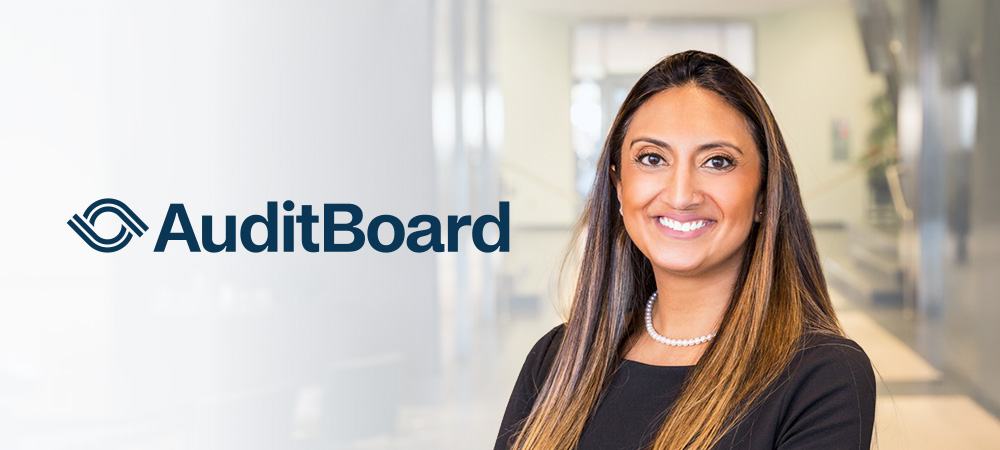
AuditBoard, an AI-powered global platform for managing audit, risk, and compliance, is on the way up – and fast.
It recently hit a key milestone of $300million in annual recurring revenue, thanks in part to a customer base that includes more than half of the Fortune 500.
This success has come with a series of key executive appointments, including chief exec Raul Villar Jr. (formerly of Paycor) and, most recently, former Greenhouse Software Chief People Officer Paaras Parker to the Chief Human Resources Officer role.
Ready to steer AuditBoard toward “ambitious” goals in a period of rapid growth – it was named by Deloitte in 2024 as one of the fastest-growing North American tech firms for the sixth year in a row – Parker is emphatic that the company’s people are the “secret sauce” for success.
This pivotal period will not always be easy, the HR chief acknowledges, and promises to bring “levity to the hard moments.”
HR Grapevine catches up with Parker to discuss how she will fuel the next phase of AuditBoard’s growth by driving an intentional culture, balancing structure with flexibility, and doing “hard things” while still being “good humans.”
What are your priorities for your first 12 months at AuditBoard?
My first priority is to listen and learn to deeply understand our people, our culture, and the business we’re driving forward. I want to know what’s working, where we’re feeling friction, and how the people team can best fuel AuditBoard’s next phase of growth.
The role of a people team is not to support the business, but to enable and empower the people who drive business outcomes
At the heart of any great people strategy is clarity. People should know what’s expected of them, have the support to thrive, and be rewarded fairly for their impact. That’s the foundation I want to build on. Once that foundation is solid, we can layer on the work that accelerates growth. My goal is for every employee to feel connected to the business strategy and confident they’re contributing to something meaningful.
As a CHRO, how do you protect and evolve workplace culture at a high-growth company?
At a high-growth company, the key is being intentional. You can’t be everything to everybody. You have to decide who you are, what you value, and then build your programs, communication, and reward systems around that. The role of a people team is not to support the business, but to enable and empower the people who drive business outcomes.
How do you plan to deliver the headcount growth AuditBoard currently needs, with enough flexibility to account for future shifts?
Scaling a business is both an art and a science. My focus will be on balancing structure with flexibility and building a talent strategy that allows us to grow responsibly while staying nimble as business needs evolve. That starts with understanding the outcomes we’re driving toward, not just the tasks in front of us. Delivering on headcount is not just about filling seats; it also means we have the right people in the right roles and are growing our capabilities because of the people we already have.

What skills have helped you build influence as a CHRO?
Curiosity, candor, and compassion. I’ve learned that being a great CHRO isn’t about having all the answers; it’s about asking the right questions and creating the conditions for others to thrive.
Do you think the role of people leaders is changing currently? If so, how?
Absolutely, it’s changing faster than ever before. The challenge of this decade is figuring out how to give people the experiences they need and deserve in a world where many of us no longer share the same physical space.
We used to learn by osmosis - sitting next to a leader, overhearing conversations, seeing how things were done. Today, people can make a mistake, and only one other person knows about it. That’s a huge shift in how we learn, collaborate, and build resilience. People leaders now have to be more intentional about development, feedback, and connection than ever before.
As a CHRO, how are you preparing for this new set of challenges facing people leaders?
For me, it starts with staying human. The world of work is changing so fast that it’s easy to default to process or technology, but at the end of the day, people still want to feel seen, supported, and set up for success. That doesn’t change - even if the how does.
I spend a lot of time thinking about how we prepare leaders to lead in this new environment. For example, how to give feedback with empathy, how to set clear expectations when teams are dispersed, and how to help people grow without being in the same room. That’s the real work right now.
The organizations that thrive will be the ones that can do hard things while still being good humans about it
I also try to model it myself. I believe in being transparent, in bringing levity to hard moments, and in reminding people that we can do serious, important work and still be kind to each other. That balance is what makes a company sustainable.
Any final advice or trends you’re expecting to see in 2026?
I think we’ll see a continued shift toward intentionality in how companies define success, how leaders show up, and how employees choose where to work. The organizations that thrive will be the ones that can do hard things while still being good humans about it.
You can innovate and be kind. You can hold people accountable and still show grace. Those aren’t opposites; they’re the balance that defines the future of work.