 UK
UK  United States
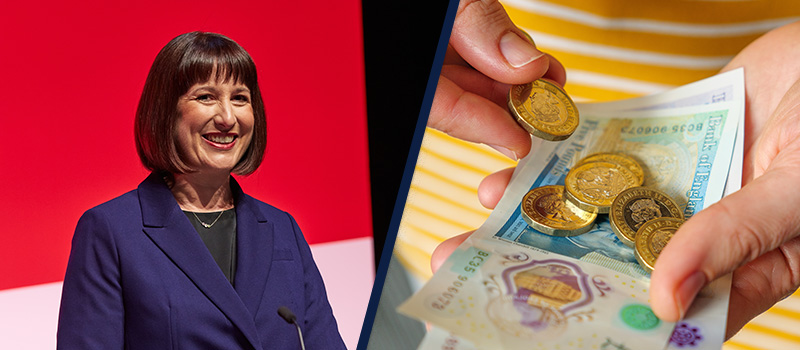
The Chancellor’s decision to drop plans for an income tax rise removes what would have been an immediate blow to take-home pay. For employees, that means December wages won’t shrink and household budgets avoid a fresh squeeze just as living costs remain stubborn. Many were already braced for a hit; that risk has now been pulled off the table.
For HR teams, the reversal sidesteps a difficult few weeks. A rate rise would have triggered urgent payroll changes, pay-review headaches and uncomfortable conversations about why pay packets were falling even when salaries weren’t. It also would have fuelled pressure for larger pay rises, as staff looked to offset the tax hit. By stepping back, the government has spared employers from a spike in pay expectations and the retention worries that follow.
