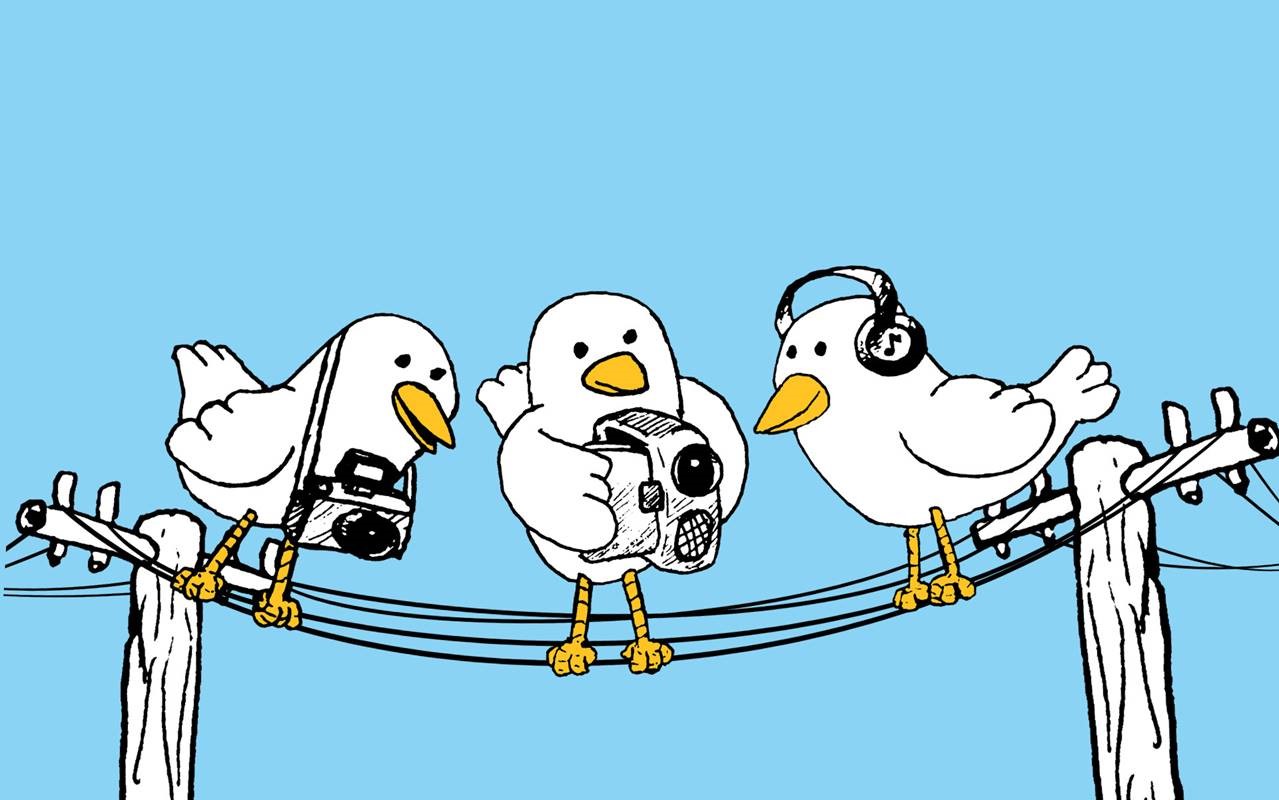
So you get your shiny new iPhone, unpack it with trembling fingers, sync it up to your iTunes, pop it in your pocket and set off to work. On the train a tune comes into your head and you go to play it on the phone ... where's the headphone socket? Oh, there isn't one. Thanks Apple...
What follows is one of two things - bodge a way round the problem by using adaptor cables, or embrace the new world and use some wireless headphones - maybe even buy some of the shiny new iBuds or whatever they're called. This causes some tension in my mind - do I want to be a brave adventurer and follow the new ideas, or do I resist unnecessary change and keep doing what worked perfectly well before?
It is so hard to know whether to embrace change or resist it - especially as the world tends to go round in circles, and if you stay in one place long enough you'll probably find you're on-trend again. But in the HR world the stakes are so high that knowing whether a change is useful or not is really vital.
Five years ago everyone was putting in pool tables and providing free Yoga sessions - at the time that looked like the shape of the future, but now entrepreneurs are starting to realise that endless perks just fuel a cycle of tolerance and withdrawal, the same as any addiction; they cost money and generate very little increased loyalty, if any.
Meanwhile the employee benefits industry has become a juggernaut that is hard to stop, and employees are coming to expect ever-increasing layers of benefits that still won't necessarily create value for the business.
So is there a way to make working life better for employees but simultaneously create extra value for employers and customers? Oh yes. And it is the easiest thing in the world to see, once you have seen it.
We are a social species. This does not just mean we like going to the pub together, it means we are all connected in a web of reciprocal relationships. Do something for me and I will reciprocate; we're wired that way. Consequently our employees do their work not just because of their salary, but because they actually feel better when they are doing things that are useful to other people. Commerce is just an expanded version of the web of reciprocal obligations that fuel our social life - fulfilling the innate, instinctive needs of the human being, but on a larger scale than our ancestors could have envisaged.
There's a whole group of other innate needs that you should understand if you want your staff to want to work for you. However, to get the benefits from working in this way you do need a way to measure and understand how well their needs are being met.
One obvious way to do this is to talk - and listen - to them, but how many managers have the time to give their reports a really good listening-to on a regular basis, before things go adrift? There's enough to do already, what with the paperwork ...
This explains the rapid rise of the new generation of 'people apps' which take the temperature of the workforce and point towards emerging problems. So do you embrace the trend and try one of these new applications, or is it safer to stick with the current methods of management, whatever they may be?
We say do something new - try WeThrive for free, if you like - because we know it will tell you things about your people that you never suspected; things that will help you develop your staff so they become happier, more productive and more likely to stay with you.
Only time will tell whether Apple are right to ditch the headphone socket - though they do have a habit of being right, so maybe we'll all be using wireless headphones in a week or so. But we can say for sure that while employee engagement and employee benefit fads come and go, the essential cognitive, practical, social and emotional needs of your staff will remain the same; they are programmed in the human DNA, and that doesn't change. In our lifetime anyway.
So if you want to try something that is likely to remain valid for a century or so, try listening to the staff. They know what's wrong, and where, and will make good suggestions for making it better. WeThrive makes it easy to listen to the staff - without a headphone socket...
UK
United States