 UK
UK  United States
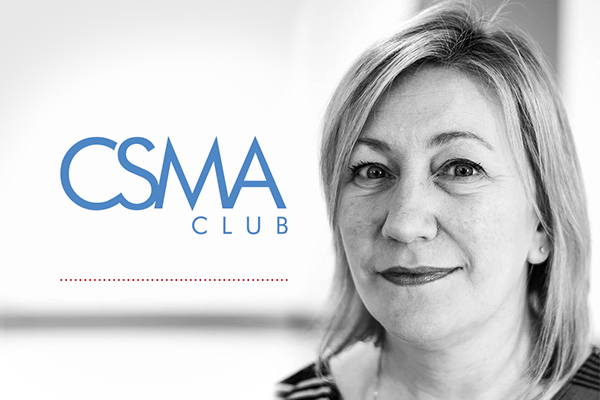
Ailsa Suttie, Operations Director at CSMA Club, reveals the biggest ever HR challenge she has faced...
What advice would you give to HRD's that feel they have a poor company culture?
Firstly, I think it’s important to define what they mean or recognise as ‘culture’. Culture can mean different things to businesses at different times. It could be as simple as having high absence or disciplinary issues, both of which can be a symptom of something deeper, for example poor management or rates of pay. It can become even harder to define if employees don’t understand the vision or strategic aims of a business and therefore find it hard to connect with the purpose of their roles. At CSMA Club we had the aim of creating a culture that would provide support at every level, at a time of significant change as the company went through a complete overhaul and re-branding.
Once the above has been understood, the most important part of getting it right would be to understand how your employees feel, which areas they are concerned about and what they’d like to see changed. Whether this is achieved by surveys, people panels or other methods to engage your staff, you must be prepared to share the feedback and be ready to take action quickly. Transparency, clarity of communication and speed of action are all vital when successfully embarking on any business cultural change. It’s important that the leadership teams are authentically seen to be displaying behaviours consistent with the cultural aims and that they have fully bought into the message.
Continue reading for FREE!
Sign up for a myGrapevine account to get:
- Unlimited access to News content
- The latest Features, Columns & Opinions
- A full range of specialist HR newsletters to choose from
