 UK
UK  United States
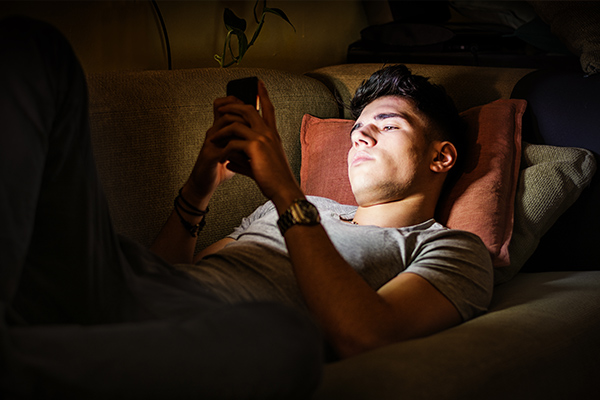
Smartphones should have an automatic bedtime mode to stop workers from having their sleep disrupted.
That's according to Professor Paul Gringras, a doctor at the Evelina Children’s Hospital in London. He and three co-researchers recently published a study in the magazine Frontiers in Public Health. The study revealed that the blue light emitted from smartphones, tablets and e-readers can disrupt people’s sleep.
Gringras wrote the article together with Benita Middleton, Debra J Skene and Victoria L Revell from the University of Surrey. The authors explained: “Since this type of light is likely to cause the most disruption to sleep, as it most effectively suppresses melatonin and increases alertness, there needs to be the recognition that at night-time ‘brighter and bluer’ is not synonymous with ‘better.’
”Ideally future software design could be better optimised when night-time use is anticipated, and hardware should allow an automatic ‘bedtime mode’ that shifts blue and green light emissions to yellow and red as well as reduce backlight/light intensity.”
Continue reading for FREE!
Sign up for a myGrapevine account to get:
- Unlimited access to News content
- The latest Features, Columns & Opinions
- A full range of specialist HR newsletters to choose from
