USA
 United Kingdom

Helping employees see a future in hospitality starts with making opportunities to learn and progress more visible.
At Valor Hospitality, that means combining leadership development with wellbeing support and opportunities to move between departments, hotels, brands and markets. Thomas explains how the business is challenging perceptions of hospitality as temporary work by helping employees build sustainable careers.
Its new leader training covers communication, coaching, feedback, performance management and emotional intelligence, alongside an eight-month development program for supervisors and a 12-month program for senior leaders. The business is also developing competency models for key operational leadership roles to make expectations and progression clearer.
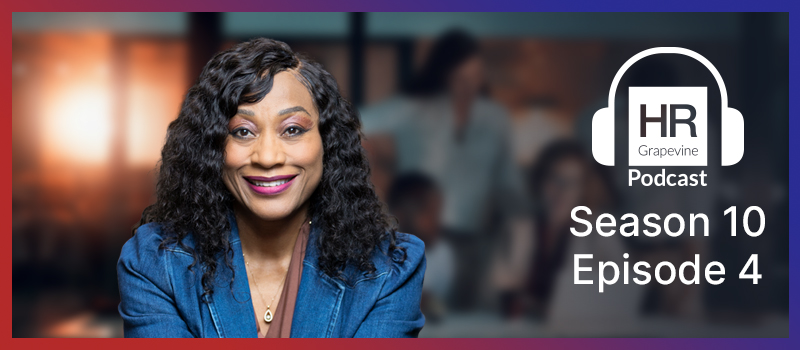
Thomas joins the HR Grapevine Podcast to discuss preparing first-time managers, making continuous learning practical for hotel teams, and using regular check-ins and listening circles to turn employee feedback into meaningful development opportunities.
Host: Hello, everyone, and welcome back to another episode of the HR Grapevine Podcast. I'm your host, Benjamin Broomfield, head of content here at HR Grapevine. And I'm joined today by Balencia Thomas, vice president of people and culture at Valor Hospitality. She joined the valor team in 2021 and has over twenty five years of extensive people and culture experience with demonstrated collaborative leadership, with a focus on company growth strategies. In her role, she's responsible for overseeing Valor Americas human resources functions, maintaining quality operation of all people and culture, related processes and procedures for the hotels, and acts as a strategic advisor to the operations team, providing consultation regarding all human resource related matters. She is also responsible for planning, designing and executing HR services and programs that align with functional business strategies. And today, we're going to discuss how Valor is reframing roles in hospitality is long term careers to retain top talent, including through clear leadership pathways. So a lovely episode lined up, but first and foremost, a warm welcome. Balencia, thank you for joining us.
Guest: Thank you. Thanks for having me.
Host: Absolutely. Well, we know that hospitality is a sector that historically has had high levels of turnover. I think we've seen that fairly consistently. But what are some of the challenges that come with that and even some of the missed opportunities as well with purely seeing it as that high turnover industry?
Guest: You know, interesting. As you say, hospitality has historically been high turnover industry. But and it's really because many of the roles have been perceived as temporary rather than long term careers. So they're often viewed as stopgaps for students or younger workers with the really limited flexibility and unpredictable hours. Right. And they also view visible opportunities for career progression, right? They actually don't see visible opportunities for career progression. So the challenge isn't simply the demanding nature of the work. It's the lack of clear and well communicated pathways for the growth within the industry. So when employees cannot see how they can develop their skills or progress into leadership or even build a sustainable career, they're more likely to leave the industry, which we've seen a lot of that, right? So this creates significant missed opportunities for employers. High turnover means losing experienced team members, hospitality knowledge and also future leaders while also increasing recruitment, onboarding and training costs. And it can also impact service consistency because employee engagement and also the ultimate guest experience, because you're not getting those experienced people, you're constantly rehiring, right? So operators that invest in structured career development, learning opportunities, and flexible working practices are better positioned to improve retention and also build stronger leadership Pipelines as well as create more engaged workforce. Now, shifting the perception of hospitality from a short term to a long term profession is key to addressing the industry's turnover challenges. That's what we believe is.
Host: Definitely. We've certainly established that there's real risks that come with purely seeing it as just that high turnover industry. This is how it has to be. There's nothing we can do about it that's leaving a lot on the table. Right? So I know that's an area where Valor has been investing a lot, really looking to reframe roles in hospitality as more of an opportunity for long term career. So how do you go about doing that in practice and shifting that mindset when obviously it's something that's been ingrained for a long time?
Guest: Well, yes, it's been actually it's been a challenging job and challenging work, but we've enjoyed it. So we definitely, we're actively challenging the perception that hospitality is just a stepping stone. And that's by investing in our people and also creating clear pathways for long term career growth. We call our team members totalitarians. And that's a term created by our CEO, John McLaughlin, because words like staff, employees or associates, it didn't fully capture who they are or the role they played. So a hotel is a professional dedicated to the highest ideals of hospitality. It's actually someone who sees service not simply as a job, but as a way to strengthen human connections and also create memorable experiences not only for the guests, but for our hotel as well. So in practice, we actually support long term growth careers through structured development opportunities, including our leadership development program, which I'm passionate about, and that actually provides clear leadership pathways. And it also equips aspiring leaders with the skills they need to progress. Now, alongside operational expertise, our participants in the programs develop emotional intelligence, which is number one. We found Self awareness, confidence and the interpersonal skills that are essential for leading high performing teams. So we're equally committed to helping our, um, people thrive personally as well as professionally. So our Healthy Habits program focuses on physical and mental well-being, recognizing that sustainable careers are built on healthy, engaged people. So by investing in wellbeing alongside career development, we are creating an environment where totalitarians don't just stay with the business. They can be a fulfilling long term career.
Host: Really useful to get that perspective that this isn't just sort of sitting in one area of, you know, development programs in isolation or just wellbeing programs. There's something holistic that's coming together here really to, to sort of shift that approach across the organization. We're going to come on in a little bit later on in the episode to discuss some of the leadership, training and development programs in place and how they work. But before we do that, I guess part of the really foundational work in terms of creating visibility within the organization over these leadership roles and what's required for people to be able to see that prospect of a long term career path is really establishing what leadership roles should be doing and what competencies are required for those roles. So what have you learned about creating competency models for some of these really key operational leadership roles? And what are you trying to gain from doing that work?
Guest: Well, I guess like I say, basically, we are currently developing those competency models for our core operational leadership roles, including the general managers, roles, director, director of sales role, as well as the food and beverage director. And those are the three that we're focusing on for 2026. So the process has enforced how important it is to clearly define what success looks like at every stage of a leader's journey. So these modules create consistency by setting out the skills, the behaviors, and the expectations required for each role. They provide both leaders and attorneys, but they share understanding of performance standards, they identify opportunities, and they also make career progression more transparent. And I think that's important when you're when people understand, okay, what does that progression look like? Right? So ultimately, we hope this work will strengthen succession planning as well as create more targeted learning and development, and also give our people greater confidence in how they progress in their careers by making expectations clearer. So by making expectations clearer, we're creating a more objective and supportive framework for identifying and developing future leaders across our business.
Host: Fantastic. It would be really useful, I think, to hear a bit more about how you go about connecting team members. Obviously, from across the US, you're working in a lot of different locations. It's, you know, not it's not a simple task. There's a lot of complexity involved in doing that. So how do you go about connecting those different team members to new career moves? Is there a sort of, you know, success that you're looking for there in terms of impact on retention rates? How do you go about doing that work and how do you check that it's working?
Guest: Well, first of all, we believe career development shouldn't be a secret. So every totalitarian should have a clear visibility of the skills, the training and the experience needed to take their next step. And sometimes that's been that gap. We found there's a gap. People not necessarily knowing what's the next step. What should I take in order to get to this area or this position? Right. So it shouldn't be a secret. So whether that's progressing into leadership or cross training in another department or moving to a different hotel within our portfolio. So one of Hospitality's greatest strength is the breadth of opportunity it offers. And sometimes people don't understand or don't know what those opportunities are. So as a global business, valor can actually provide totalitarians with the chance to broaden their experiences across not only the organization, but it's like different brands as we think about it. As a hospitality company, we actually operate different brands and also different markets and functions, so helping them be rewarded in their careers without leaving the company. There's a whole vast of opportunities for them. So we're already seeing the impact of this approach. Our current retention rate, which we're proud of right now, is actually seventy five percent, which reflects the value of investing in our people and also creating an environment where they can see a future with valor. And also looking ahead, success will be measured not only by continued strong retention, but also by increasing internal promotions, great cross property mobility, and a stronger pipeline for our future leaders. So ultimately, we'll know we succeeded when we choose to build long term careers with us because they can clearly see the opportunities to grow. And what's interesting as we talk about our retention rate, then around seventy five percent, which tells us turnover is at thirty three percent, which is definitely below the industry standard in the US.
Host: Absolutely. I think really useful to be able to see the impact of the work that's been going on there and that investment in reframing these careers. One of the other areas that we spoke about was the leadership development programs. It'd be wonderful to hear a bit more about those. I know there's a new leadership training program that's being put in place recently. How is that going to support first time leaders, drive high performing teams, and really give those leaders the skills that they need to thrive?
Guest: Oh, definitely. Because first of all, the transition from an individual contributor to a people leader is one of the biggest steps in any career. And we found what I found that in my career, sometimes that's been our as employer biggest failure, right? So we recognized that great leaders aren't simply born, they're developed and Valor's new leader training program is designed basically to give first time leaders the skills and the confidence, as well as the practical tools they need to lead people effectively from day one. So the program focuses on the fundamentals of people leadership, including communication, coaching, giving feedback, performance management, emotional intelligence, and building trust with your teams. And those are some of the modules that that we focus on with that training. And alongside developing operational leadership skills, it helps new leaders build the confidence to have meaningful conversations. I also support individual growth as well as create positive and inclusive team cultures. So what we find is by investing in leaders early in their journey, we're setting them up and their teams for long term success. Confident, capable leaders create more engaged teams. They deliver a better colleague experience and ultimately provide a better guest experience. You know, one thing I want to just jump in there. You notice when with us, you know, a lot of hospitality, they focus on the guest experience. You hear a lot about the guest experience. But for us, guest experience is very important. But the hotel experience is more important, important. So that's what we focus on that because if we take care of our hotel, they will take care of our guests. So anyway, over time, this program will also strengthen our leadership pipeline. It would also improve the retention, which we've seen that, and it ensures we're developing high performing leaders from within the organization.
Host: Definitely covered off the leadership development side, but I wonder more broadly as well, what are some of the steps that you take to encourage continuous learning for, for all levels of seniority for all employees across the organization? Again, to help keep that engagement high throughout? How do you sort of encourage that level of continuous learning, especially, you know, for having such an extensive workforce who don't sit in an office where it's easy as you like to log on and complete an e-learning module, for example. How do you encourage that continuous learning to take place?
Guest: Well, first of all, this culture of continuous learning across both the home Office, which, you know, most people say corporate, we call it the Home Office and also the home hotel based teams. So learning, we know isn't a one time onboarding event. It's ongoing. So every day culture built on microlearning, cross training and practical skills workshops. So we not only have this new learning, new leader training, then there's a next level where we have this eight month development programme for supervisors. And then there is a twelve month programme leadership development for our senior leaders. So we're developing every level. We've also found that high engagement happens when people feel invested in as a whole human being. So again, combining professional development with wellness practices ensures our learning culture and energizes totalitarians rather than overwhelm them. Because, you know, sometimes this industry can be overwhelming.
Host: Wonderful. Well, perhaps as a last question, a really important part. Anytime we're talking about engaging with staff and it's obviously an area that you're really investing in, putting that almost sort of as the primary step before you think about the customer experience to focus on that staff experience first. How do you engage with them to, to take on feedback so that you can keep on improving, whether it's career mobility, the development on offer, really any, any feedback from them, I suppose, how, how do you engage with staff in that way? What does that tend to look like?
Guest: Well, we believe career development should be a continuous conversation and not just an annual event. So that's why we've added to our traditional once a year performance reviews. We have we actually have regular two way check ins. So, you know, like one biweekly, one to ones we have, we've actually have our engagement surveys, and we also go around and do what we call listening circles, right, with our hourly teams to hear back, hear from them and get their feedback, as well as put together these action plans to action on their feedback to us. Also, we during those opportunities, during those times, we have opportunities to discuss their, um, their aspirations, their development needs, and their career goals throughout the year. These conversations ensure that every hotel Italian, first of all, have has a voice in shaping their own career journey. So one of the things we definitely recommend to all totalitarians to focus on their personal development. So we get, we give them the template. Come on everybody, start working on your personal development. I'll put together your action plan so that. And we will help you. Let us know how we can help you reach your career aspirations. And so while also giving leaders valuable insight into what's working well and where we can improve. So by creating an open feedback culture, we are able to identify barriers to progression, respond to changing needs, and also provide more meaningful development opportunities. Ultimately, our goal is to create a culture where listening leads to action. So by acting on feedback, we can ensure our career pathways remain relevant, practical, and aligned with both our people's ambition and the future needs of our business.
Host: Brilliant. Well, I think that's a lovely message to end on. It's always wonderful to hear about an organisation that's investing so much in building those long term careers, but especially, like we say, in what has been historically a high turnover industry and really flipping the script there to look at things another way. So Balencia, thank you so much for taking the time to join us on the HR Grapevine podcast. Best of luck with all of the work with the Hotel to come in the next few months. And thank you again for joining us.
Guest: You're welcome. Thank you for having me.