USA
USA  United Kingdom

A bizarre fallout over a return-to-office (RTO) order has sparked a legal battle, after a founder who helped draft the policy was fired for failing to comply with it.
William Nieporte, co-founder of $8billion asset management firm Bramhall Investments, was ousted from the company in 2022 following the remote working dispute.
As reported by the Wall Street Journal, Nieporte was told by his former co-managers that he had intentionally disregarded the company’s RTO policy.
Founder fired over RTO furore
Earlier in 2022, several months before Nieporte exited Bramshill, he and co-managers Stephen Selver and Art DeGaetano contacted staff, issuing an RTO mandate to workers.
The firm’s workforce was ordered back to the office five days a week, at one of three sites in New York City, Florida, or California.
Despite co-authoring the email notice, Nieporte lived hundreds of miles away from the nearest office in Newport Beach, California, residing in San Ramon – a move which Nieporte said was approved by his colleagues in 2017.

Why HR still struggles to reach Deskless Employees
His journey to the office would have amounted to a round trip of well over twelve hours.
Employees were expected to comply with the deadline by July 5, 2022. By this date, Nieporte had reportedly not shown any indication of meeting the RTO requirements.
“We have both junior and senior employees commuting over one hour each way to work, and yet you feel this policy doesn’t apply to you,” DeGaetano put to the co-founder in an email.
Despite an attempt to secure a buyout from his fellow co-managers, Nieporte subsequently received a termination letter.
“You have willfully and deliberately failed to report to ‘in-person’ work,” it said.
Mandate 'did not validly apply'
Nieporte is currently in arbitration proceedings with Bramshill, his co-founders, and parent company Ironmen.
Speaking to the WSJ, a legal representative for Nieporte stated that the RTO order “did not validly apply to Mr. Nieporte, who was an owner and manager of the company” – and therefore was not sufficient grounds for termination.
Bramshill insisted that Nieporte’s firing was due to dereliction of duty.
It also refuted claims from Nieporte that his exit from the company was orchestrated to “usurp” his 12% holding. Ironmen requires that a shareholder fired for causet to sell their stake.
Nieporte also filed a $30million federal lawsuit against the HR management platform used by Bramshill in May. ADP Totalsource, the company in question, said it complied with all relevant laws and will defend itself against Nieporte’s allegations.
Remote vs RTO – what’s really happening?
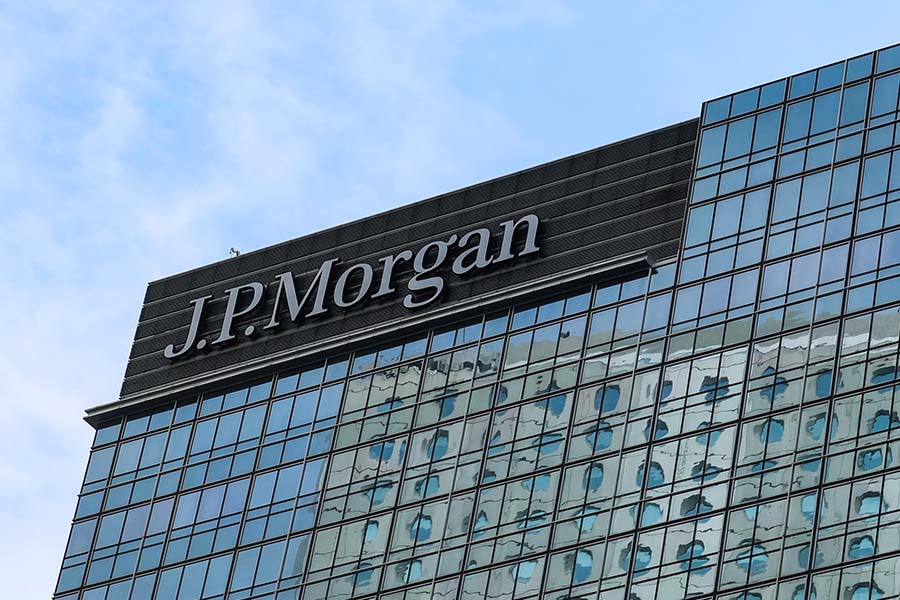
Recent years have seen several notable employers, mong them Amazon, Dell, and JP Morgan, embarking on big drives to get staff back to the office full time.
Full return-to-office mandates have been criticized by some staff and employment experts, particularly where workers previously permitted to move long distances from an office have been ordered back to work full-time – leaving them with the choice of relocating or losing their jobs.

'Bossware' | Employee monitoring data being shared with tech giants
Suggestions that remote working models – necessitated and made popular in the wake of the Covid-19 pandemic – are disappearing have been downplayed by researchers.
An analysis of Census Bureau Current Population Survey data published in June by the Federal Reserve Bank of Minneapolis found that there has been little change in remote working levels in recent years.
Close to 22% of US workers still worked from home at least some of the time in 2025, down less than a percentage point compared to 2024.
Such studies have left question marks over whether hybrid and remote working are being taken off the table by American employers.
Kyle de Bruin, Managing Director at Workplace Research firm Leesman, told Fortune that an analysis of around 100 to 130 large companies it conducted confirm as much.
“About 3% of those companies are fully in office five days a week,” de Bruin said. “The noise you hear in the industry about the JPMorgans and the other big banks that are fully back, they are actually a minority.”