USA
USA  United Kingdom
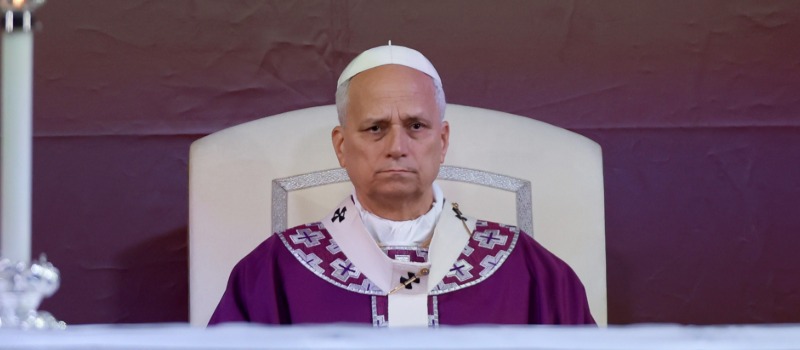
None other than Pope Leo XIV has entered the global debate over artificial intelligence, warning that the technology could cost workers their livelihoods if businesses and policymakers fail to set clear limits.
In his first official encyclical (which are technically letters to Catholic bishops, but over recent decades have become messages to the world from the Pope), the pontiff focused on AI’s expanding role across society, urging governments and corporations to take responsibility for how it is developed and deployed. His intervention places the future of work at the center of a growing international conversation about automation, regulation and ethics.
He said artificial intelligence could displace a large number of workers if introduced without proper safeguards, raising the prospect of mass layoffs with wider consequences beyond the workplace.
Why HR still struggles to reach Deskless Employees
He believes replacing employees at scale risks increasing poverty, deepening economic inequality and fueling social instability, particularly if decisions around automation are driven primarily by profit and efficiency.
Pope puts workers at center of AI warning
The Pope said technology must serve people rather than weaken human dignity. Economic systems, he said, should be directed toward the common good instead of financial gain alone.
He stressed that workers should not be viewed simply through the lens of productivity, describing employment as closely tied to identity, well-being and community life.
“The pursuit of greater profits cannot justify choices that sacrifice jobs,” he declared, calling for ethical boundaries around automation as AI adoption spreads through the economy.
Although he's not the first to make the point, his remarks are likely to resonate with HR leaders managing the impact of AI across their organizations, as companies weigh productivity gains against concerns about workforce disruption.
AI benefits acknowledged as Pope urges regulation
While warning about the risks, he also recognized the potential value of artificial intelligence when applied responsibly, saying that AI can reduce dangerous and repetitive work, support sectors including healthcare and education, and improve efficiency across industries. Those benefits, he said, should not come at the expense of widespread unemployment.

His encyclical also called for governments and institutions to establish policies that ensure technological progress does not harm workers or leave communities behind, warning that without timely intervention, many people could become marginalized as machines and automated systems take on a greater role in daily life and business.
The comments arrive as AI adoption accelerates across sectors including technology, finance and manufacturing, with policymakers, employers and workers continuing to debate how innovation can be balanced with job protection, workforce transition, and the ethical use of emerging technology.
Pope Leo’s intervention adds a prominent new voice to the discussion, framing AI not only as an economic issue but as a human one, with the future of work and human welfare inseparable from decisions being made now, and brings moral weight to the complex debate about how businesses introduce AI while protecting employees and preserving meaningful work.