USA
USA  United Kingdom
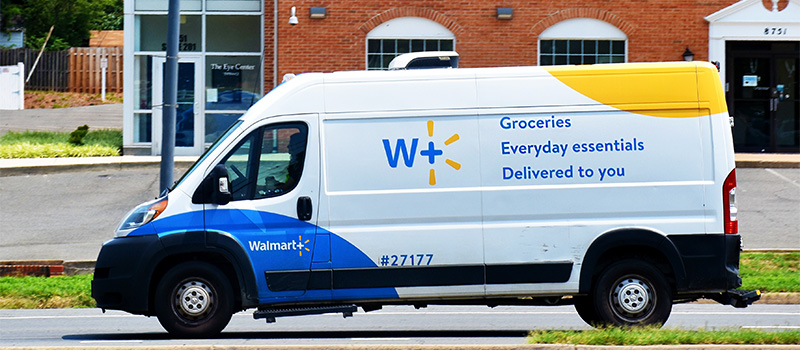
Walmart has agreed to pay $100m to resolve allegations from the US Federal Trade Commission that its Spark delivery program misled gig drivers about expected earnings and customer tips.
The settlement follows claims by the FTC, joined by 11 states, that the retailer showed drivers inflated base pay and tip projections through its crowdsourced delivery platform. The states include Arizona, California, Colorado, Illinois, Michigan, North Carolina, Oklahoma, Pennsylvania, South Carolina, Utah, and Wisconsin.
The regulator alleged that drivers lost tens of millions of dollars in earnings as a result of deceptive representations linked to the Spark program.
Allegations over pay and tips
According to the FTC, Walmart falsely claimed that all customer tips would go directly to drivers. The commission also alleged that the company did not inform drivers that tips could be split if a single delivery was divided among multiple workers.
“Labor markets cannot function efficiently without truthful and non-misleading information about earnings and other material terms,” said Christopher Mufarrige, Director of the FTC’s Bureau of Consumer Protection, in a statement.
As part of the agreement, Walmart must introduce an earnings verification program designed to ensure drivers receive the pay and tips they were promised. Additional compliance measures are included under the settlement terms.
Walmart launched Spark in 2018, enabling gig workers to sign up to deliver orders on behalf of the retailer. The program has been part of the company’s broader push to strengthen its online fulfillment capabilities.
E-commerce growth and compliance pressure
The supermarket giant has credited rapid online delivery for supporting its sales momentum. During the fiscal fourth quarter, Walmart reported that its e-commerce business rose 27%, representing 23% of total sales.
The FTC’s action comes as scrutiny increases over pay transparency and earnings disclosures within gig-based labor models. The commission argued that accurate information about compensation is essential for labor markets to function effectively.

In a statement, Walmart said it values “the hard work and dedication of the drivers who deliver great service and products to our customers.” The retailer added that it has issued payments to affected drivers and continues to make further payments where appropriate.
“We are continuously improving procedures to ensure fairness and transparency for drivers,” Walmart said.
The requirement for an earnings verification mechanism will mean a move toward tighter oversight of gig compensation practices, particularly where tips and variable pay are involved. It also shows the importance of transparency around how compensation structures operate, especially when technology platforms determine allocations across multiple workers.
Walmart did not admit wrongdoing as part of the agreement but will make the mandated changes to its Spark program.