USA
USA  United Kingdom
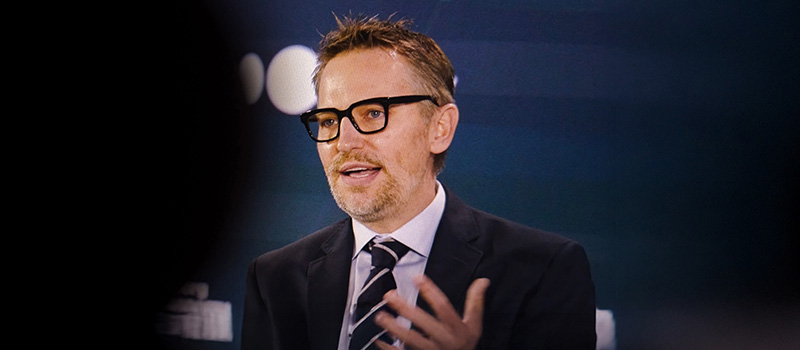
LinkedIn's CEO has urged workers to abandon the idea of a fixed five-year career plan, arguing that changes in technology and workplace expectations make rigid planning unrealistic.
Ryan Roslansky said much of the career advice circulating on the professional networking platform no longer reflects how careers actually develop. Speaking to content creator Erin McGoff on her AdviceWithErin YouTube channel, he said the widely shared recommendation that professionals should map out the next five years of their working lives is outdated.
He believes trying to predict a detailed long term career path is “a little bit foolish.” Roslansky said it is no longer realistic to “chart out what the next five years of your life are going to look like,” given the pace of technological change and evolving roles across industries.
Focus on skills and experiences
Rather than setting fixed milestones years in advance, Roslansky encouraged workers to concentrate on learning goals and practical experiences, giving people greater flexibility as opportunities emerge.
“I think that’s the right mental model in this environment,” he said. “If you focus on those shorter steps, gaining learning, gaining experience, a lot of your career path will open up for you.”
Roslansky said the idea of a straight line career has become disconnected from reality. Many people imagine a progression that moves predictably from education to a specific profession and then on to senior leadership, he said.
“That’s not how it happens at all for most people,” Roslansky said. Once individuals let go of that expectation, they are better positioned to actively shape their own careers rather than waiting for an organization or manager to do it for them.
“No one is trying to figure this out for you,” he said. “You have to take care of it yourself.”
Advice for early career professionals
The LinkedIn chief also shared guidance aimed at younger workers entering the labor market. He said becoming comfortable with new tools, particularly artificial intelligence, should be a priority, advising them to experiment with how AI can be applied to everyday tasks.
“Try and figure out how to create a PowerPoint presentation out of chat,” he said. “You know, figure out how this can help you with a better marketing message.”
He added that the most important step is developing a mindset focused on learning how to use new tools productively, regardless of whether they initially feel like a perfect fit.
“Whether or not you like it, whether or not it’s a good fit for what you’re trying to do, that mental model like, ‘I’m going to use this tool and learn it to help me do something,’ I think is the most important thing,” Roslansky said.