USA
USA  United Kingdom
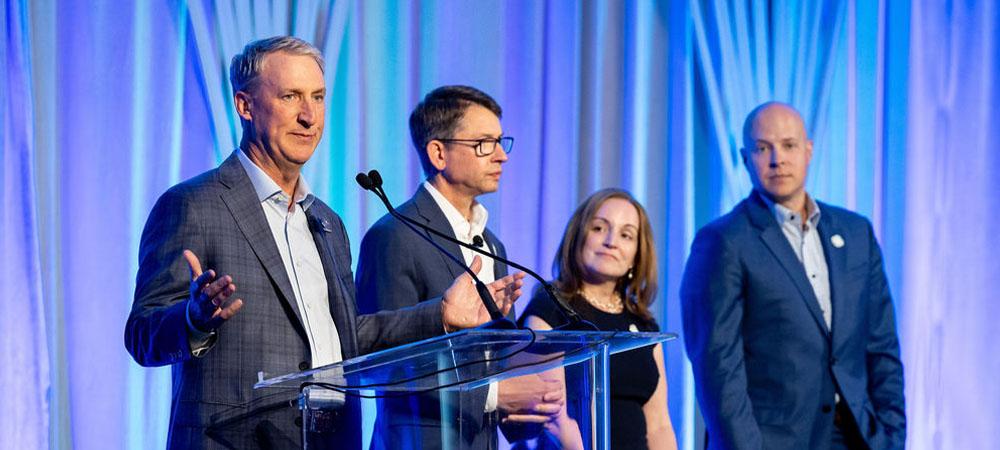
The HR Policy Association has formally rebranded as the CHRO Association. CEO Tim Bartl explains why the change matters now, how the Association’s work has evolved, and where it plans to focus next...
Why rebrand now? And why shift to the CHRO Association?

For us it is a natural evolution given the elevation of the CHRO role, especially over the last six to seven years.
The association itself has been around since the late 1960s. We got our start in the issues that were front and center for HR leaders at that time, which were around union-management relations. There were some pretty difficult things happening in that era, and there was a lot of discussion among companies about how to do things in a way that could benefit not just the company but the broader society. That’s when the association got involved in the public policy realm, which was really its bread and butter for years.
When we changed our name to HR Policy Association in 2003, it was because HR was expanding into talent, into culture, into executive compensation, and for the first time our board pushed us to get involved in healthcare. But as we got post-Covid, we started to hear from members: ‘Why do you call yourselves the HR Policy Association? You don’t focus on HR policies. You engage people. You bring together CHROs and their teams. You curate practices. You advocate. You’re CHROs.’ So it became time to call ourselves what we were.
What this name does is recognize the leader at the center of decisions
The new identity is centered on one job title. Why is that?
We have always represented the Chief Human Resource Officer and their teams. It is a company-based membership. Yes, we work with the people doing employee relations, compensation and labor relations, but we do that in service to the CHRO.
We’re known for our policy and practice expertise going back to our roots. That hasn’t changed. What this name does is recognize the leader at the center of those decisions.
How large is the Association’s reach today?
We have just about 370 corporate members. We tend to be focused on larger global companies, mostly in the Fortune 500, with some below that. If you augment that to individuals, you’re looking at about 20 million people worldwide who are under the umbrella of our membership. Not all of them are participating day to day, but it’s about 9% of the private sector workforce in the US.
It’s not just about the workforce. It’s how technology integrates with work
You’ve launched a Center on Workplace AI. What role do you see it playing?
We stood up a center to help member companies, and especially CHROs, understand the impact of technology, how to assess what’s out there and how to integrate it. It’s not just about the workforce. It’s how technology integrates with work. It’s job assessments. It’s when it makes sense to bring technology forward and when it makes sense to go slower.
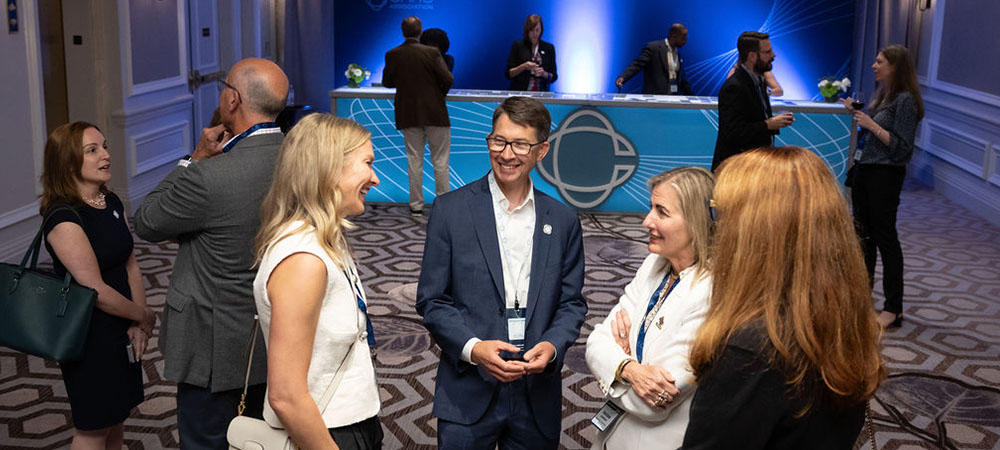
Every implementation of technology comes back to people. It comes back to roles, upskilling, reskilling, and how to bring business units along. And because things are changing quickly, we’re cultivating insight from members who have gone a little bit further ahead.
And beyond AI, what other priorities are emerging?
We’ve gotten very involved in talent development and succession, especially CEO succession. Some directors view the CHRO role as even more important than the incumbent CEO in making succession work effectively.

We’re also paying close attention to global compliance. The EU Pay Transparency law, the EU AI Act, changes in employment and labor expectations in different markets - if you’re a global company, you need principles that can apply globally and play out differently by region. The CHRO sits at the center of that.
How has the rebrand been received among members?
We launched this internally back in July and the feedback was tremendous. At our fall conference, it was clear the new name had been fully adopted. There was no real mention of the HR Policy Association. It resonated immediately because it identified the core member who belongs to us.
What should HR leaders expect from you next?
I will be doing some work to make sure that the brand is understood among other stakeholders, investors, those in the public policy realm, etc. You’ll see more CHRO-level insight from us on AI, on CEO succession, and again on healthcare, especially with the impact of new technology there. And we expect to be more engaged in the media side.