USA
USA  United Kingdom
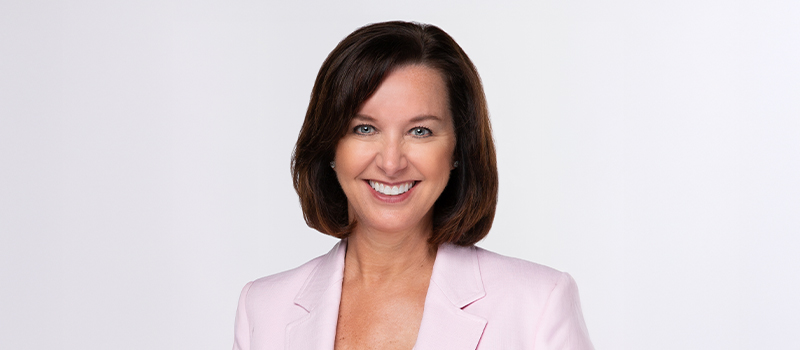
Walmart’s Chief People Officer Donna Morris has issued a clear warning about what holds people back at work - the “Debbie Downer.”
In a recent interview, she described this personality type as someone who “bring[s] the problem, never the solution” and is “constantly negative.” Such behavior, she said, “compromises relationships, trust, and momentum.”
Morris made clear she is not calling for fake positivity but for a mindset that faces challenges directly while contributing to solutions. “You know they’re going to show up [and] they’re going to bring the problem, never the solution,” she said. “I like people who bring the problem and a suggestion for how they might resolve [it].”
According to neuroscientist Juliette Han, such naysayers “might discourage you from meeting new people in the company or going after new projects if it doesn’t benefit them directly.” That approach, Han said, can keep others “on a short leash” and limit growth opportunities across teams.

'A real advantage' | AI helps Walmart find talent faster, CPO says
The cost of chronic negativity
Morris explained that persistent pessimism can signal a deeper issue such as perhaps being in the wrong role or organization. But remaining stuck in that mode, she warned, carries a price. It slows down decisions, discourages experimentation, and weakens company culture.
Han says recognizing this behavior in yourself or your team should prompt action: “Bring up the problem, offer one thoughtful suggestion, or look for professional help before the house is on fire.”
The idea, both leaders suggest, is not to silence criticism but to turn it into constructive action that helps teams move forward.
Signs of growth and leadership potential
In contrast, Morris said those who progress tend to display a few consistent traits. “Deliver what you are expecting at the time that you’re expecting,” she advised. “You’re better to deliver early than to deliver late, and you’re better to deliver more than less.”
She highlighted initiative as another key marker of potential: “They’re open to opportunities, and they put their hand up to take on more.”
The right timing also matters. Morris noted that the best employees “bring a problem with the remedy or request help in a timely manner, as opposed to the house is on fire.”
Why HR still struggles to reach Deskless Employees
Frontline employees often have the greatest need for HR support—but the least access to it. The reason is simple: most HR systems were designed for desk-based employees.
If you're investing in HR digital transformation, it's essential to ensure that every employee—whether office-based, hybrid, or deskless—has equal access to HR services, information, and support.
This guide explores the key considerations for building a consistent, accessible, and connected HR service experience for your entire workforce.
You'll learn how to:
✅ Deliver consistent HR support across every location
✅ Reduce repetitive HR requests
✅ Improve self-service adoption
✅ Connect email, mobile, AI and employee portals
✅ Create a better employee experience for frontline workers
Michael Ramlett, CEO of Morning Consult, called curiosity another green flag, particularly “radical intellectual curiosity.” He pointed to employees who study new AI tools or competitor software and quickly share useful insights, calling it “practical rather than performative.”
Culture starts with kindness
Finally, Morris said kindness remains an underrated leadership quality. “People who you see are actually helping others [are a] total green flag,” she said.
Mentoring, sharing shortcuts, or connecting colleagues with the right contacts all strengthen teams and trust.
“People in a healthy company culture raise issues, suggest solutions, and look for assistance early,” she said, while those in unhealthy environments “hold on to information, say ‘no,’ and wait for others to fail.”
Her message to employees seeking growth is to focus on reliability, initiative, and solutions. Those traits, she said, determine “who is trusted with new projects and who falls off.”