USA
USA  United Kingdom
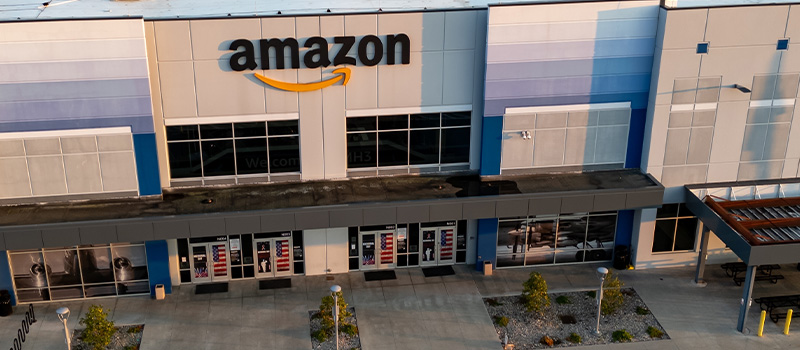
Amazon is preparing for another busy holiday season with plans to recruit 250,000 workers across its fulfillment and transportation networks, maintaining the same seasonal hiring level as the past two years.
The company confirmed the figure, saying that it expects to bring on a mix of full-time and part-time employees. Seasonal workers will earn an average of over $19 an hour, while permanent roles start at $23 per hour and include benefits.
Last month, Amazon said it would invest more than $1billion to boost employee pay and reduce healthcare costs for its US workforce.
The announcement comes as economists predict a softer holiday shopping period, with many retailers adopting cautious staffing and inventory strategies.
Retailers brace for slower holiday sales
Data from Adobe Analytics projects that US online sales will continue to grow but at a slower pace than previous years. E-commerce is still expected to outperform overall retail sales growth, though rising prices and recent tariff measures have tempered optimism.

Trump’s tariffs on Chinese imports are not expected to significantly affect sales this season, as much of the holiday inventory is already stocked.
Other major retailers have issued mixed projections. Target and Best Buy maintained their forecasts, while Walmart and Macy’s upgraded theirs. Last year, Target said it would hire 100,000 seasonal workers. This year, it said it’s offering additional hours to its current employees and tapping into its “On-Demand team” – a group of about 43,000 store employees who pick up shifts based on their schedules.
Seasonal hiring hits lowest level since 2009
Despite Amazon’s consistent recruitment target, overall seasonal hiring across the retail sector is expected to reach its lowest point since the 2009 recession.
According to a report from Challenger, Gray & Christmas, retailers are projected to add fewer than 500,000 positions in the final quarter of 2025 - an 8% drop compared with last year.
“Seasonal employers are facing a confluence of factors this year: tariffs loom, inflationary pressures linger, and many companies continue to rely on automation and permanent staff instead of large waves of seasonal hires,” said Andy Challenger, Senior Vice President at the firm.
“While we could see a late hiring push if holiday sales surprise to the upside, the cautious pace of announcements so far suggests that companies are not betting on a big seasonal surge. This year may be more about doing more with less.”