USA
USA  United Kingdom

Employers can boost productivity and improve the lives of workers by tackling burnout and prioritizing wellbeing, according to a new report from the World Economic Forum (WEF).
“Global productivity is in decline, while poor employee health costs the global economy 15% of annual output," says the report, which argues that workplace health must become a strategic priority for business leaders and HR executives.
“Healthy and thriving employees are the foundation of high-performing organizations and thriving societies,” it continues.
Burnout and health risks for employees
The WEF has identified burnout and declining health as a critical issue for business leaders looking to improve retention and make productivity gains. “In 2023, 44% of employees globally reported feeling stressed for much of the day.”

The report warns of the cost of neglecting workforce wellbeing, pointing out that poor health costs the global economy around $8trillion annually in lost productivity.
“Employee ill health accounts for 68% of total health costs for employers, with productivity losses accounting for 84% of these costs.”
With people spending more than one-third of their adult lives at work, the WEF says that workplaces provide a pivotal opportunity to improve lives and reduce costs.
“80% of the adult population is in the workforce. That represents over 3.3 billion people globally who are affected by workplace health.”
Productivity and economic opportunity
The findings argue that investment in worker wellbeing is a business imperative with a measurable ROI. Workplaces that promote health and wellbeing can deliver up to a 4-to-1 return on investment, it said, and could add $2.4trillion to the global economy annually by 2030.
Why HR still struggles to reach Deskless Employees
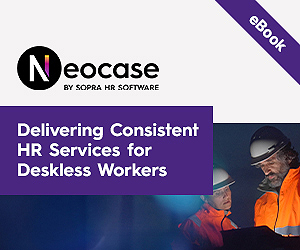
Frontline employees often have the greatest need for HR support—but the least access to it. The reason is simple: most HR systems were designed for desk-based employees.
If you're investing in HR digital transformation, it's essential to ensure that every employee—whether office-based, hybrid, or deskless—has equal access to HR services, information, and support.
This guide explores the key considerations for building a consistent, accessible, and connected HR service experience for your entire workforce.
You'll learn how to:
✅ Deliver consistent HR support across every location
✅ Reduce repetitive HR requests
✅ Improve self-service adoption
✅ Connect email, mobile, AI and employee portals
✅ Create a better employee experience for frontline workers
“Healthy employees are more productive, more engaged, and more likely to stay with their employer. Organizations that prioritize wellbeing outperform peers in shareholder returns, innovation, and talent retention.”
The report urges HR leaders and business leaders to treat wellbeing as a driver of competitive advantage.
“Workplace health is not just a moral imperative, it is an economic one," it concludes.